
Why Your Gums Throb After a Professional Cleaning
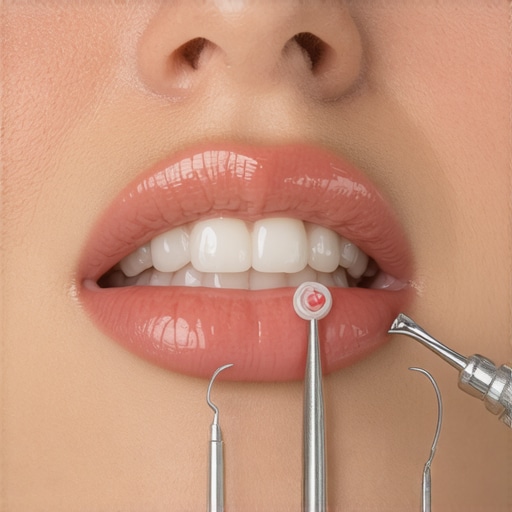
Ever finished a routine dental cleaning only to be met with that uncomfortable, throbbing sensation in your gums? It’s almost as if your mouth is sending a unexpected SOS, making you wonder, what went wrong? I remember the first time this happened to me — I felt a twinge after my cleaning and panic set in. Was it normal? Was my mouth angry at me? That moment sparked a journey into understanding why gums can throb after a professional cleaning, and more importantly, what I could do about it.
The Surprising Reality Behind Post-Cleaning Gum Discomfort
Firstly, let’s cut to the chase — yes, it’s quite common for your gums to feel tender or even throbbing after a dental cleaning. But why does this happen, especially when you’re already doing your part to keep your smile healthy? The answer lies in what the dental hygienist does during the procedure. It involves scraping away plaque and tartar — some of which is stubborn and closely adhered to your gum line. This process temporarily irritates the delicate tissues, and for some, it can lead to soreness, sensitivity, or that persistent throbbing sensation.
According to dental research, minor inflammation after cleaning is pretty typical and usually subsides within a day or two. However, if you notice extended pain or increased swelling, it might be a sign that your gums need a little extra care or that there’s an underlying issue. Remember, even minor irritation can escalate if ignored, so knowing what’s normal and what’s not is your first line of defense.
Is Gumming Up the Works Actually Worth the Hype?
When I first experienced this discomfort, I thought I had to avoid the dentist altogether. Turns out, I made a classic mistake early on — assuming that pain or throbbing meant I was doing something wrong or that the cleaning had damaged my gums permanently. This misconception nearly kept me from getting regular cleanings, which are crucial for maintaining oral health. In truth, the slight throbbing is often just part of the healing process, especially if you have underlying conditions like gingivitis or gum sensitivity. Regular professional cleanings are vital, not just for a brighter smile but to prevent more serious issues down the line. Don’t skip your appointments — instead, understand what’s normal and how to manage temporary discomfort effectively. You can even look into more personalized care options, such as crown treatments or family dentistry services, to boost your overall oral health.
So, if you’ve faced this throbbing sensation after a visit, know that you’re not alone. The key is to recognize when it’s simply a sign of your mouth healing and when it warrants a closer look. Up next, I’ll share some effective ways to reduce discomfort and help your gums recover faster, so stay tuned!
,
Apply Ice and Gentle Pressure to Reduce Swelling
Immediately after a cleaning, I placed a cold pack wrapped in a cloth on my cheek. Holding it against my face for 15-minute intervals helped numb the area and decrease inflammation. Think of it like icing a swollen ankle; cold constricts blood vessels, reducing swelling and pain. Remember, never apply ice directly to your gums—use a cloth or pillowcase. Repeat every few hours if needed, especially if you notice persistent throbbing.
Maintain Optimal Oral Hygiene Without Overdoing It
It’s tempting to think more brushing equals better cleaning, but aggressive brushing can irritate tender gums. I switched to a soft-bristled toothbrush and used gentle, circular motions around my gum line. This method, akin to petting a sensitive animal, avoids further trauma. Flossing softly each day removes plaque buildup without aggravating inflammation. Take care to avoid sharp or broken floss strands that can snag or scratch gums. For comprehensive guidance, check out top oral health tips.
Use Desensitizing Products Strategically
To combat sensitivity, I incorporated a fluoride-based desensitizing toothpaste into my routine. It works by blocking nerve signals and reinforcing enamel. Apply it with a clean, dry toothbrush and brush for at least two minutes, focusing on affected areas. Over-the-counter rinses with potassium nitrate additional help diminish discomfort. Consistent use is key—just like training for a race, the benefits compound over time. This step provides immediate relief and prepares your gums for healing.
Eat Soothing, Soft Foods for Faster Recovery
Instead of crunchy snacks, I opted for bland, soft foods like yogurt, mashed potatoes, and smoothies. These are less abrasive and avoid irritating sensitive gums. Think of your mouth as a tender wound needing protection; rough textures can reopen or prolong inflammation. Avoid hot, spicy, or acidic foods that can inflame tissues further. For additional nutritional support, focus on foods rich in vitamin C and antioxidants, which aid tissue repair.
Schedule Follow-Up with Your Dentist to Address Persistent Issues
If pain persists beyond 48 hours, I made a point to contact my dentist promptly. Use the contact page at Family Dentist Pro to schedule an appointment. Persistent throbbing may indicate underlying problems like gum infections or micro-tears needing professional intervention. Early diagnosis prevents complications and ensures proper healing, akin to tending a small fire before it becomes a wildfire.
Adopt Long-Term Preventative Habits for Future Comfort
After my initial discomfort subsided, I invested in regular checkups, using mouthwash with fluoride, and avoiding tobacco products. Implementing a consistent routine akin to maintaining a garden keeps gums healthy and reduces reaction to routine cleanings. Remember, proactive care and personalized advice—found in resources like why crowns are transformative—are your best tools against future discomfort.
While many patients approach dental treatments with a set of assumptions, there’s a lot of nuance that often gets overlooked. For instance, in the realm of Invisalign, a widespread myth is that aligners can only be used for minor teeth adjustments. However, advanced techniques now allow for complex corrections, making Invisalign a versatile option for many orthodontic cases—something discussed in detail in this expert guide.
Another misconception is that oral health is solely about brushing and flossing. In reality, factors like saliva composition, diet, and even genetic predispositions play critical roles—an understanding highlighted in recent research emphasizing personalized oral care plans. Overlooking these nuances can lead to common mistakes, such as over-aggressive brushing, which may cause gum recession instead of preventing it.
When it comes to family dentistry, many assume one-size-fits-all solutions are effective. But children, adults, and seniors all demand tailored approaches. For example, early orthodontic interventions often require specific appliances beyond standard braces, as discussed in latest trends in family dentistry. Ignoring these can delay proper development or maintenance of oral health.
Regarding crowns, a common oversight is believing all crowns are the same. In truth, materials like porcelain, zirconia, and gold each have unique properties suited to different needs—see this comprehensive guide. Choosing the wrong type can affect durability, aesthetics, and even triggering sensitivities. Furthermore, many don’t realize that improper fitting crowns can lead to issues like microleakage, which may cause decay beneath the restoration despite good oral hygiene.
What sophisticated factors influence long-term success of dental restorations?
Experts suggest that occlusal forces, parafunctional habits like grinding, and even biocompatibility of materials heavily impact crown longevity. For instance, a study published in the Journal of Prosthetic Dentistry highlights that patients with bruxism need specially designed crowns to withstand increased biting pressures—knowledge crucial for optimizing outcomes. Recognizing these nuances helps patients avoid premature restorations or costly replacements, ultimately saving time and money.
In essence, peeling back the surface reveals that there’s more complexity behind seemingly straightforward dental treatments. So, does your current understanding align with these insights? Have you ever fallen into this trap? Let me know in the comments. Staying informed empowers you to make better decisions about your oral health and ensures you get the most effective care possible.
How do I keep my dental work functioning smoothly over time?
Ensuring the longevity of dental restorations, orthodontic appliances, and overall oral health requires more than just regular brushing and flossing. One of the key strategies I personally rely on is investing in quality tools designed for both professional and at-home care. For instance, I use a water flosser equipped with pressure settings tailored to gentle yet effective plaque removal. This tool not only reaches difficult areas around crowns and bridges but also reduces gum inflammation, especially in sensitive spots. The trick to seating Invisalign trays properly extends beyond initial fitting; consistent cleaning around attachments enhances treatment outcomes and prevents plaque buildup.
When it comes to maintaining invisalign or other orthodontic appliances, I recommend using an ultrasonic cleaner—I’ve found it wonderfully efficient at removing residual debris from trays or aligners, minimizing bacteria buildup. For crowns, a soft-bristled toothbrush combined with a desensitizing toothpaste helps prevent sensitivity and keeps the restoration smooth and functional. Regularly inspecting your tools and replacing worn-out brushes or floss ensures you’re always practicing optimal hygiene. Personally, I prefer using a gentle, fluoride-rich toothbrush to prevent enamel erosion, especially around crowns and veneers.
Looking ahead, advancements in dental technology are set to revolutionize maintenance. Innovations like AI-powered oral health monitoring apps will soon allow us to track our brushing and flossing habits more precisely, alerting us to areas needing extra care. In the same vein, smart toothbrushes with sensors can analyze brushing pressure and coverage, helping you avoid over-aggressive habits that might damage restorations. Embracing these tools today can enhance your maintenance routine and prolong the life of your dental work.
If you’re wondering how to optimize your daily routines, I recommend integrating an ultrasonic cleaner into your regimen. It’s a game-changer for keepings crowns, Invisalign trays, and other appliances in top shape. Consistent use of high-quality tools paired with professional guidance ensures your smile stays functional and beautiful long-term. For personalized advice on selecting the right tools, don’t hesitate to reach out to your dentist.
What steps can I take to preserve my dental health in the long run?
Long-term success hinges on routine, technology, and proactive care. Regular dental checkups allow your dentist to monitor restorations like crowns, identify early signs of wear or micro-damage, and recommend specific tools or products tailored to your needs. For example, if you have crowns or veneers, I suggest periodically inspecting them for cracks or discoloration using at-home kits or by scheduling professional evaluations. Additionally, maintaining a balanced diet—rich in vitamin C and antioxidants—supports tissue health and strengthens your defenses against infections that could compromise treatments.
In terms of technology, exploring innovations like customized crowns designed with digital scans will improve fit and durability. These advancements reduce the risk of microleakage and secondary decay, safeguarding your investment in dental health. Also, a focus on lifestyle habits—such as avoiding acidic drinks or grinding at night—preserves the integrity of your restorations.
By combining these strategies—using top-tier tools, embracing emerging tech, and staying vigilant—you set yourself up for a resilient and radiant smile. Start today by trying out an ultrasonic cleaner for your Invisalign trays or crowns; your future self will thank you for the effort. Remember, maintaining your oral health isn’t a one-time fix but an ongoing journey. If you want to learn more about customizing your maintenance routine, schedule a consultation through this contact link and take charge of your smile’s future.
What I Wish I Knew Before My First Crown
The biggest breakthrough for me was realizing that some level of discomfort is actually a sign of healing, not damage. Understanding that minor throbbing is normal helped me avoid unnecessary panic and seek timely professional advice when needed.
Why Personalized Care Makes All the Difference
I learned that not all dental restorations or treatments respond the same way—what works for one person might not suit another. Tailoring my oral hygiene routine and consults based on my unique needs proved essential for long-term success.
The Power of Small Tools in Longevity
Investing in quality, specific tools—like a water flosser or ultrasonic cleaner—was a game-changer. Small upgrades in my daily routine significantly extended the lifespan of my crowns and orthodontic appliances.
The Myth of Immediate Perfection
One of the deepest lessons was dropping the illusion that every dental treatment should feel perfect immediately. Patience and consistent gentle care ultimately lead to durable, natural results.
Books That Changed My Understanding of Oral Health
- “The Dental Diet” by Dr. Steven Lin — It emphasized that nutrition profoundly impacts dental health, encouraging me to adjust my diet for better outcomes.
- “Smile: The New Science of a Lost Art” by Ian Golby — This book challenged my perceptions about cosmetic procedures and highlighted the importance of functional dental health.
Embracing Tech for Better Maintenance
Modern innovations like AI-driven apps and smart toothbrushes have empowered me to stay proactive. Utilizing these technologies gives insights beyond what a routine dental visit can offer, helping me catch issues early and maintain my smile for decades.
Your Turn to Take Control
Remember, understanding the nuances of post-procedure discomfort and adopting smart tools transforms your dental journey from reactive to proactive. Your smile deserves that kind of attention and care. What’s the one tip you’re eager to try today to improve your oral health? Let me know below!
,