
Why Your Gums Throb After Using a Water Flosser
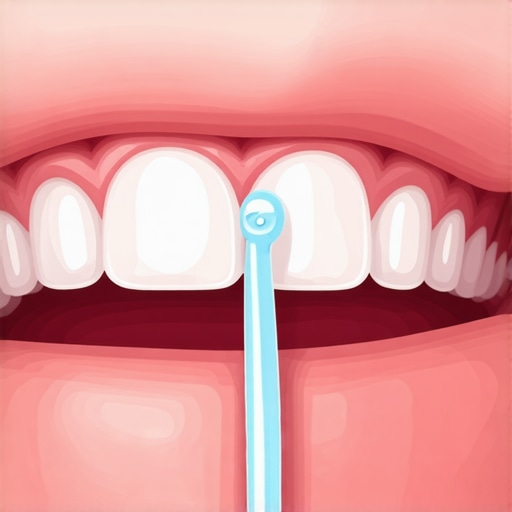
I remember the first time I experienced that sudden, sharp throbbing in my gums after using my water flosser. It caught me off guard—one minute I was thinking I was doing something good for my oral health, and the next, I was wincing with discomfort. That lightbulb moment made me realize something important: even tools designed to improve our smile can sometimes cause unexpected issues if we’re not careful.
Understanding the Gums’ Response to Water Flossers
Many people, including myself early on, assume that using a water flosser is all positive—blast away plaque, boost gum health, and make cleaning easier. But what if your gums start to throb or bleed after each session? This common experience can be frustrating, and honestly, a little confusing. You’re doing everything right, or so you thought.
The key is to recognize that your gums are sensitive tissues, and like any part of your body, they can react negatively to certain stimuli. The pulsating jet of water, if set too high or used improperly, can irritate or even damage the delicate gum tissue. Early on, I made the mistake of cranking up the water pressure because I thought a stronger blast meant cleaner teeth. Trust me, that was a mistake.
Interestingly, according to recent research published by the American Dental Association, overuse or misuse of oral hygiene devices like water flossers can lead to soft tissue trauma, especially if your gums are already inflamed or sensitive.
So, if you’ve been experiencing gum throbbing after water flosser use, you’re not alone, and there’s hope. The good news is that adjusting your technique can make all the difference.
In the next sections, I’ll share practical steps based on my own experience and expert advice to help you enjoy the benefits of water flossing without the discomfort. But first, let’s address a common skepticism so you can be confident that making your water flosser more gentle won’t compromise your oral health.
Reduce Water Pressure for Comfort and Safety
When I first noticed gum throbbing, I realized that cranking up the water pressure was doing more harm than good. To fix this, I lowered the pressure on my device to a gentle setting—think of it like turning down the volume on a loud stereo. Start with the lowest setting and gradually increase until you find the sweet spot where water comfortably cleans without irritating your gums. This simple adjustment made a profound difference in my comfort level and gum health.
Learn Proper Angle and Technique
Hold at a 90-degree Angle
Position the tip of your water flosser at a 90-degree angle to your gumline—imagine you’re aiming a tiny jet of water directly into the space between your gums and teeth. This targeted approach ensures effective cleaning without excessive force. When I practiced this technique during my evening routine, I noticed a significant reduction in gum sensitivity and bleeding. Practice this angle in front of a mirror until it feels natural.
Follow the Contour of Your Teeth
Move the water flosser along your gumline in small, gentle strokes, following each tooth’s curve. Think of it like sailing a boat along a winding river—smooth and steady. This method ensures every crevice gets attention without overdoing any particular spot. I once took extra time to follow this step, which prevented me from inadvertently applying too much pressure to sensitive areas.
Target Each Section Methodically
Divide your mouth into sections—upper right, upper left, lower right, lower left—and clean each area thoroughly before moving on. It’s like a sports coach designing a game plan to cover all bases. During my routine, I dedicated 30 seconds to each section, which improved my overall gum health and made sure nothing was missed. Using a timer helps keep the pace consistent and effective.
Maintain a Steady, Gentle Motion
A common mistake is to move the device too quickly, which can cause discomfort and missed plaque. Instead, keep the tip in contact with the gums and move it slowly along the gumline. Picture giving your gums a gentle massage rather than a brusque scrub. I initially rushed through my cleaning, leading to soreness; slowing down allowed me to clean more effectively and comfortably.
Practice Consistency and Adjustments
Consistency is key. Incorporate water flossing into your nightly routine and watch your gums adapt over time. If you still experience discomfort, revisit your pressure settings, angles, and technique. Remember, just as a crown or Invisalign needs proper adjustment to function optimally, your water flosser technique benefits from fine-tuning. For tailored advice, consulting your family dentist can provide insights specific to your oral health needs. For more information on choosing the right dental tools, visit this guide.
Many individuals assume they understand the basics of orthodontic treatments and restorations, but there’s often a misconception about what truly makes these solutions effective and lasting. For example, a common myth is that Invisalign aligners are just as quick and precise as traditional braces, yet the real factor is how well patients adhere to instructions and the quality of the attachments used. Advanced practitioners know that not all aligner systems are created equal, and selecting the right provider can significantly influence treatment outcomes, as detailed in this guide. Another misconception is that crowns are purely cosmetic, but in truth, they serve critical functions in restoring tooth strength, especially when you read this comprehensive overview. Many assume that once a crown is placed, no further care is needed, but. advanced understanding reveals the importance of meticulous cementation and material choice to prevent future issues. Common pitfalls include neglecting the potential for microleakage leading to recurrent decay, which underscores the necessity of expert planning. Regarding family dentistry, a widespread belief is that children’s oral health is managed solely by good brushing; however, youthful teeth are susceptible to specific concerns like enamel hypoplasia or early caries not detectable with routine brushing alone. The nuanced approach involves tailored assessments and preventive strategies, as discussed in this resource. Moreover, many overlook that holistic oral health is interconnected with overall health, such as the links between periodontal disease and cardiovascular health. An advanced mistake often made is underestimating the importance of regular dental checkups for detecting systemic conditions early on. As research published in the Journal of Periodontology illustrates, untreated gum disease can contribute to heart problems, making routine visits essential beyond just maintaining a bright smile. Have you ever fallen into this trap? Let me know in the comments. Understanding these hidden nuances empowers everyone to make smarter choices for their oral health, ensuring lasting results and fewer surprises down the line.
Tools That Keep Your Smile Healthy Over Time
Maintaining excellent oral health isn’t just about brushing and flossing; it involves using the right equipment and techniques to ensure enduring results. One device I rely on daily is the Water Flosser. I personally prefer the Philips Sonicare HydroSpa because its adjustable pressure settings allow me to customize my experience, preventing gum irritation while effectively removing plaque. Regularly cleaning this device with a mixture of water and a bit of vinegar prevents mineral buildup, extending its lifespan and ensuring optimal performance.
For crowns and restorations, I use a handheld curing light, specifically the Bluephase N, which delivers consistent, high-intensity light. This ensures my temporary cementation or routine checkups achieve the proper hardening process, reducing the risk of microleakage as emphasized in this detailed article. Keeping myself organized with a small ultrasonic scaler helps me gently remove plaque from around dental work, especially in areas that are hard to reach with a standard toothbrush.
Dental tracking apps, like the SmileMate, have revolutionized how I monitor my progress. These apps provide visual progress reports and reminders for routine checkups, which I find invaluable. They bridge the gap between dental visits and daily maintenance, making it easier to stay proactive.
How do I maintain my dental tools over time?
Proper maintenance of your oral health tools, such as water flossers, electric toothbrushes, and curing lights, is crucial. Rinse devices thoroughly after each use, replace brush heads every three months, and store tools in a dry, clean environment. Regularly inspecting your devices for wear and tear, like cracks in the water flosser tip, prevents unexpected failures. For example, replacing the water flosser tip with OEM parts ensures compatibility and safety, avoiding damage caused by makeshift replacements. Additionally, adopting a routine of deep cleaning your equipment monthly can extend their lifespan and keep them functioning at peak performance.
Looking ahead, incorporating smart dental devices equipped with Bluetooth and diagnostic capabilities may become standard, providing real-time feedback and tailored recommendations. As this expert notes, early adoption of such technology can exponentially improve long-term oral health outcomes.
To get started on safeguarding your tools, I recommend trying out a UV sanitizing case for your toothbrush and flosser. It’s a simple step that significantly reduces bacterial buildup. By integrating these practices into your daily routine, you’ll ensure your equipment remains effective, saving you money and effort down the line.
Throughout my pursuit of a healthier smile, I discovered that real progress often comes from unexpected lessons. One profound insight was realizing that even the gentlest water flosser needs careful adjustment—what feels like a small change can significantly impact comfort and healing. Trusting my instincts and continually educating myself, I learned to listen more attentively to my body’s responses, understanding that optimal oral health isn’t about aggressive tools but compassionate care.
What I Wish I Knew About Oral Care:
- Patience Wins: Healing and adaptation take time; rushing can lead to setbacks.
- Personalized Approach: There’s no one-size-fits-all; tailoring techniques makes a real difference.
- Knowledge Is Power: Regularly consulting trusted sources or your dentist can prevent avoidable issues.
Tools That Became My Trusty Allies
I rely heavily on my Philips Sonicare HydroSpa for its adjustable pressure settings, which helps me find a comfortable, effective cleaning rhythm. Pairing it with a UV sanitizing case ensures my tools stay fresh and safe. For serious restorative work, a dependable curing light like the Bluephase N has been essential in achieving perfect cementation. And, staying organized with a small ultrasonic scaler helps me address hard-to-reach spots around crowns and implants.
Your Smile, Your Power to Change
Remember, every step you take toward better oral health is a gift to yourself. Embrace the journey with curiosity and patience, knowing you’re building a foundation for lasting confidence and well-being. Whether you’re adjusting water pressure or exploring new dental tools, each small effort contributes to a brighter, healthier future. You have the power—start today.
What’s one new technique or tip you’re excited to try for your oral health? Share below — I love hearing your experiences!