
Why Your Invisalign Attachments Keep Popping Off Your Teeth
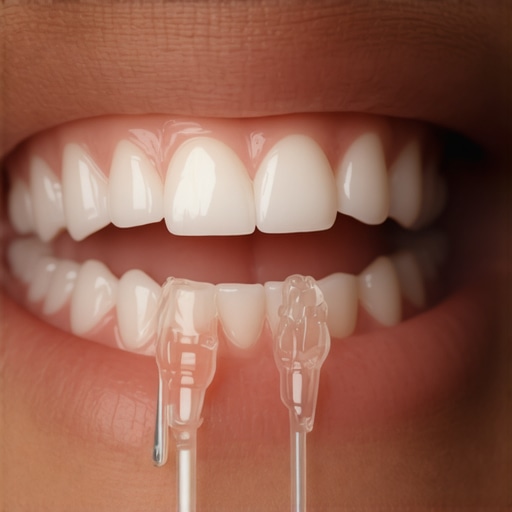
It was a morning like any other, but as I looked in the mirror, I noticed something frustrating — those little Invisalign attachments on my teeth kept falling off again. I mean, how many times could I reschedule my day just to deal with the same issue? It was a lightbulb moment for me that many Invisalign users experience: attachments popping off at the worst moments. If you’re nodding along, wondering why this keeps happening to you, you’re not alone. That disappointment can really dampen your motivation, but here’s the truth: understanding why they detach is half the battle won. Today, I’ll walk you through the *real reasons* behind this annoying problem and show you how to put an end to it once and for all.
Why Do Invisalign Attachments Come Off So Often? The Common Culprits
Invisalign attachments are tiny tooth-colored shapes bonded to your teeth, designed to help straighten your smile more effectively. But sometimes, they seem to have a mind of their own and detach unexpectedly. One of my early mistakes was thinking that these attachments were just ‘extra accessories,’ so I didn’t pay enough attention to how I cared for them. As it turns out, a simple oversight can lead to attachments coming loose.
Firstly, improper bonding during the initial installation can weaken the attachment’s grip. If your dentist doesn’t roughen the tooth surface properly or uses an incompatible adhesive, attachments might not hold as they should. Additionally, consistently eating hard or sticky foods can exert undue pressure, causing them to pop off. Even brushing too roughly or using harsh mouthwash can weaken the bond over time.
A surprising factor I learned, supported by dental research, is that saliva enzymes can interfere with the bonding process if not properly managed during the attachment placement. For more insights on common Invisalign myths, I recommend visiting [this detailed article](https://familydentistpro.com/invisalign-myths-debunked-what-you-need-to-know-today).
Now, it’s crucial we understand whether this is a minor annoyance or a sign of something more significant. Are you frustrated by attachments falling off constantly, or are you worried about potential damage causing long-term issues? Regardless of your specific situation, the next steps will help you regain control and keep your aligners securely in place.
But before diving into solutions, let’s tackle a question I hear often: *Is this problem really worth stressing over?* The answer is yes — because loose attachments can compromise your treatment’s effectiveness, leading to longer overall Invisalign wear time and extra visits to your dentist. Plus, it can be downright uncomfortable and inconvenient.
So, if you’re tired of playing catch-up with your attachments, stick around. The upcoming sections will reveal practical, proven strategies to fix and prevent this frustrating issue, so you can stay confidently on track to that gorgeous smile.
Lock in Attachments with Proper Bonding
First, ensure your dentist follows essential bonding techniques. During my visit, I observed how my dentist prepared my teeth by thoroughly cleaning and roughening the surface with a rubber tip, which increased adhesion. This step is crucial because a clean, textured surface allows the adhesive to grip better, much like roughing up a smooth surface before gluing two pieces together. Always verify that your provider uses acid etching before applying the bonding agent; skipping this can weaken attachment strength.
Maintain a Gentle Yet Firm Care Routine
Brush Smartly and Mindfully
I learned this lesson after my attachments detached due to aggressive brushing. Instead of scrubbing vigorously, I switched to gentle, circular motions using a soft-bristled toothbrush, focusing on the area around the attachment. Think of it like polishing a delicate surface; too much force can cause damage. Regular, careful brushing helps maintain the bond without undue stress.
Avoid Hard or Sticky Foods
My mistake was biting into crunchy snacks, which put excessive pressure on the attachments. To prevent this, cut hard foods into smaller pieces, and stay away from sticky treats like caramel or gum, which can pull at attachments and break the bond—similar to pulling on a fragile adhesive bond with force. Making these changes reduced the risk of detachments significantly.
Optimize Oral Hygiene Practices
Using harsh mouthwashes or abrasive toothpastes can weaken the bond over time. I switched to a gentle, fluoride-rich toothpaste and avoided alcohol-based mouthwashes, preserving the integrity of my attachments. Remember, like caring for a newly painted wall, gentle cleaning preserves the surface and the bond behind it. Regular flossing with a soft thread also helps keep the area clean without disturbing the attachments.
Address Issues Immediately
If an attachment does come off, don’t delay. Contact your dentist promptly at Family Dentist for reevaluation. Attempting DIY fixes or leaving loose attachments may compromise treatment efficiency, much like a loose screw weakening a structure. Quick professional intervention ensures attachments are re-bonded securely, keeping your progress on track.
Clarify the Bonding Process with Your Dentist
Ask detailed questions about their bonding protocol, similar to inquiring about the quality of materials used in crown placements (see crown techniques). A skilled provider will adhere to best practices, enhancing the durability of your attachments. If in doubt, seek a consultation at Family Dentist to review their procedures.
Regularly Monitor Your Attachments
Keep an eye on your attachments’ status. After each meal or snack, check if any attachments are loose or missing. This habit is like inspecting your gear during a hike—catching issues early prevents bigger problems down the road. If detection occurs, schedule an appointment to have them re-bonded as soon as possible to avoid delays in your treatment.
Many people believe that all dental treatments are straightforward solutions that fix problems instantly, but this oversimplification can lead to costly mistakes. For instance, there’s a common misconception that crowns are just cosmetic fixes, when in reality, they are sophisticated restorations requiring precise placement and material selection. Think of it like choosing the right foundation for a building; not all crowns are created equal, and selecting the wrong type can cause long-term issues.
Is It Really Just About Aesthetic Looks, Or Is There More?
Often, patients focus solely on how the crown looks, ignoring the importance of its fit, material, and how it interacts with surrounding tissues. This oversight can lead to sensitivity, gum recession, or even the need for replacements sooner than expected. Experts emphasize that understanding the nuances of crown design—including ceramic versus porcelain-fused-to-metal options—can significantly influence durability and oral health, as discussed in this detailed guide.
Regarding Invisalign, many assume it’s a quick fix for crooked teeth. The truth is, it’s a complex treatment modality that demands careful planning and compliance. Overlooking the significance of attachment placement, for example, can lead to prolonged treatment or subpar results. As highlighted in this article, advanced digital planning and understanding the biomechanics involved are crucial for predictable outcomes.
In family dentistry, there’s a myth that cavity prevention is solely about brushing and flossing effectively. While essential, this overlooks additional factors such as saliva pH balance, enamel microstructure, and the role of fluoride in remineralization. For example, recent research shows that dietary choices and even the timing of meals can influence caries risk dramatically, as covered in top tips for family oral health.
Getting these details right not only improves treatment longevity but also enhances overall oral health. The trap to avoid is assuming that one-size-fits-all solutions are sufficient—your mouth is a complex, dynamic environment that reacts differently depending on numerous factors. For example, a crown fitted without considering your bite dynamics can cause discomfort or wear issues over time.
By digging beneath the surface of common beliefs, we see that a nuanced understanding of each treatment option’s intricacies leads to smarter choices. Remember, knowledge about the materials, placement techniques, and biological factors at play can transform your dental experience from reactive to proactive. Have you ever fallen into this trap? Let me know in the comments.Maintaining lasting success with crowns, Invisalign, and family dentistry requires more than just good habits; it demands the right tools and techniques. Over the years, I’ve tested various equipment, and some stand out as game-changers in ensuring durability and ease of maintenance. For example, I highly recommend investing in a medical-grade ultrasonic cleaner. I personally use the **Ultrasonex UltraClean Pro**, which effectively removes plaque, biofilm, and residual adhesives from appliances like Invisalign trays and crowns. Regular cleaning prevents bacterial buildup that can compromise bonding strength, extending the lifespan of restorations. Additionally, a quality oral irrigator like the **WaterJet Supreme** has become indispensable in my routine. Its adjustable pressure settings allow me to gently yet thoroughly clean around crowns and periodontal pockets without causing damage. This versatility helps prevent decay and gum issues that often lead to costly repairs or replacements. As technology advances, we can expect innovations like AI-powered intraoral scanners to become standard, making monitoring for early signs of wear or problems more accessible at home. These tools empower patients and practitioners alike to catch issues before they escalate, saving time and money in the long run. How do I maintain my dental tools over time? Consistent sterilization and proper storage are paramount. I follow strict protocols, including using industry-approved disinfectants approved by [the CDC](https://www.cdc.gov/infectioncontrol/guidelines/healthcare-personnel/tool-sterilization.html), and ensure that all equipment is dried and stored in sanitized enclosures. This reduces contamination risks and keeps tools functioning effectively. Remember, investing in quality, easy-to-use tools like ultrasonic cleaners and irrigators can dramatically improve your ability to preserve treatments and oral health for years to come. Don’t underestimate the power of routine maintenance—try incorporating a daily ultrasonic cleaning session for your aligners or crowns and observe how much longer they last. Your smile deserves that extra layer of care, which begins with the right equipment in your arsenal.
Lessons I Wish I Learned Sooner About Invisalign and Dental Care
- One of the biggest eye-openers was realizing how crucial proper bonding techniques are. Skipping steps like surface preparation and using the right adhesive can turn minor issues into big problems down the line.
- Consistently maintaining gentle oral hygiene isn’t just about comfort—it’s about preserving the bond and ensuring your treatment stays on track. Rushing through brushing or using harsh products can do more harm than good.
- Early intervention is key. Addressing loose attachments immediately with your dentist prevents treatment delays and additional discomfort, saving time and money.
- Understanding that your treatment isn’t just about straightening teeth but also about biological factors, like saliva enzymes and oral habits, transformed my approach to oral health management.
My Go-To Arsenal for Dental Success
- Ultrasonex UltraClean Pro: This ultrasonic cleaner has revolutionized how I keep Invisalign trays and crowns pristine. Regular cleaning prevents bacterial buildup, extending their lifespan and ensuring optimal bonding.
- WaterJet Supreme: An effective oral irrigator that gently cleans around crowns and aligns with my commitment to gentle yet thorough hygiene. It’s so versatile that I use it daily for overall gum health.
- Educational Resources from Trusted Dental Experts: Books like The Ultimate Guide to Crowns have deepened my understanding of restorative options, empowering better decisions and conversations with my dentist.
- Smart Dental Monitoring Tools: Emerging tech such as AI-powered intraoral scanners provide early warnings for wear or detachment, keeping treatment predictable and effective.
Take Charge and Brighten Your Smile
Your journey to perfect dental health and a confident smile doesn’t have to be overwhelming. With the right knowledge, tools, and proactive mindset, you can minimize issues like Invisalign attachment detachment and enjoy a smoother treatment experience. Remember, your teeth are an investment—care for them wisely, and they will serve you beautifully for years to come. Ready to implement these insights? Your best smile awaits—start today!
What’s the one adjustment you’re planning to make to improve your dental treatment routine? Share below—I’d love to hear your plan!
Comments are closed.