
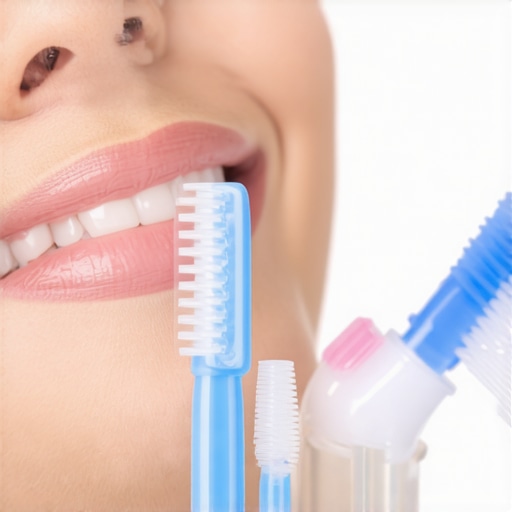
There was a morning not so long ago when I looked in the mirror and wrinkled my nose—my Invisalign trays had that unmistakable, unpleasant odor again. Despite meticulous brushing and rinsing, the plastic still reeked of plastic and stale remnants from meals. I felt frustrated, wondering if I was missing something crucial. Sound familiar? If you’re dealing with a persistent smell from your aligners even after brushing, you’re not alone, and I’ve been there too. Luckily, after some trial, error, and expert advice, I found effective solutions that changed the game. Today, I want to share with you what I discovered about why your Invisalign trays might still smell in 2026 and how you can fix this issue for good.
Why Your Invisalign Still Smells Despite Regular Brushing
Let me start with a simple truth—brushing your teeth alone isn’t always enough to eliminate stubborn odors trapped in aligners. Invisalign trays are made of plastic, which can harbor bacteria, plaque, and trapped food particles if not cleaned thoroughly. This buildup can produce a sour odor, especially when trays are worn consistently throughout the day. I used to think if I brushed after every meal and rinsed them daily, my aligners would stay fresh. But I kept noticing the smell lingered, sometimes even intensifying. The revelation? Oral hygiene goes beyond just teeth. Your trays demand special attention, or that smell will persist, no matter how diligent your brushing routine is.
Research shows that bacteria that cause bad breath and odors can thrive on the surface of aligners if not properly cleaned. According to the American Dental Association, bacteria can multiply rapidly in the mouth when proper cleaning routines are neglected (source: ADA – Bad Breath Causes and Solutions). This awareness prompted me to dig deeper into cleaning strategies tailored specifically for Invisalign trays. Today, I’ll walk you through five effective fixes that will keep your aligners smelling fresh and help you get the most out of your orthodontic journey. Before we get into the solutions, consider this—have you ever neglected your aligner cleaning, thinking brushing alone is enough? If so, don’t worry. Many of us make this mistake early on.
Now, let’s explore what you can do to banish that stubborn smell and enjoy fresher breath and a more confident smile.
Establish a Daily Cleaning Routine
Start by making cleaning your aligners a non-negotiable part of your day, just like brushing your teeth. I recall a morning when I accidentally skipped my tray cleaning after breakfast; by evening, they smelled even worse. To prevent this, set a specific time, like right after brushing at night, to clean your trays thoroughly. Use a soft-bristled toothbrush and a gentle, unscented soap to scrub all surfaces, paying special attention to grooves and edges where debris hide. This mechanical action removes plaque and biofilms that cause odor, similar to cleaning a stubborn pan after cooking greasy food. Consistency is key—not only will odors diminish, but your aligners will stay clearer and healthier.
Use Proper Cleaning Solutions
Choose a cleaning method designed for Invisalign or similar plastic trays. Most people default to mouthwash or hot water, but these can damage the material or irritate your gums. Instead, opt for Invisalign-approved cleaning crystals or tablets, which are formulated to safely eliminate bacteria and odors. I tried using denture cleaning tablets, but found Invisalign-specific solutions worked best—they dissolve quickly and don’t leave residues. Soak your trays for the recommended time, typically 15 minutes, but avoid over-soaking, which can degrade the plastic. Think of it like a delicate dish—using the right marinade preserves its flavor and structure. Regular use of these solutions keeps your trays fresh without risking wearing down the material over time.
Deep Clean Hard-to-Reach Areas
Many overlook the crevices or the undersides of trays, where trapped food particles and bacteria thrive. I once noticed a foul smell that even daily cleaning didn’t fix, until I used a dental pick and a brush to gently scrub hard-to-reach spots. Be careful not to scratch the plastic—use a soft, interdental brush or a dedicated Invisalign cleaning tool. Regularly inspecting your trays is like checking under the furniture for dust bunnies—tiny but impactful. A toothpick dipped in cleaning solution can help dislodge debris lodged in grooves. This depth of cleaning ensures no bacteria are left behind, significantly reducing bad odors and preventing potential staining or discoloration.
Rinse and Dry Properly
After soaking and scrubbing, rinse your trays thoroughly with cool or lukewarm water—never hot, as heat can warp the plastic. I learned this lesson the hard way when I accidentally used hot water once, and my trays became misshapen. Dry your aligners with a clean, lint-free cloth or let them air dry on a paper towel. Avoid using tissues that shed fibers, which can cling to the plastic. Think of drying as finishing a delicate fabric—gentle handling preserves its shape and cleanliness. Proper drying prevents bacterial breeding and helps maintain a fresh smell, ensuring your trays stay odor-free throughout the day.
Store Your Trays Correctly When Not in Use
Always store your Invisalign trays in their original case or a clean, ventilated container. I used to leave mine on the bathroom ledge, and the next day, they smelled musty. Using a dedicated case prevents dust, bacteria, and mold from settling on your trays. Clean the case weekly with warm, soapy water and let it dry completely. Consider placing silica gel packets in the storage container to absorb moisture—an easy hack that keeps trays dry and odorless. Proper storage acts like a buffer zone, protecting your investment and ensuring your trays remain in optimal condition for effective treatment.
Schedule Regular Dental Check-Ups
Finally, don’t overlook professional cleanings. Your dentist can perform ultrasonic or laser cleaning to remove stubborn residues that home methods may miss. During my last appointment, my dentist used a specialized ultrasonic scaler on my Invisalign and revealed areas I couldn’t reach with my tools—like cleaning hidden corners inside a complex puzzle. Regular check-ups also allow early detection of any issues—such as bacteria buildup or material degradation—that could contribute to odors. Think of dental visits as maintenance for a high-performance machine—preventing problems before they escalate and ensuring your smile stays healthy and fresh.
Many assume that brushing teeth twice a day suffices for optimal oral health, but the reality is more nuanced. For instance, overestimating the effectiveness of traditional flossing can lead to overlooked plaque buildup in hard-to-reach areas. Common myths often stem from outdated information, which can trap patients into neglecting essential practices like proper interdental cleaning or understanding the limitations of over-the-counter whitening products. As an expert in family dentistry, I’ve observed that such misconceptions impede progress toward healthier smiles.
Why do some well-intentioned oral hygiene routines fall short despite diligent efforts?
Think of your mouth as an ecosystem where bacteria, food debris, and saliva interact dynamically. Research shows that mechanical removal of plaque requires more than just brushing—techniques such as interdental brushes or water flossers can dramatically reduce bacterial colonies compared to traditional string flossing alone (source). A common trap is relying solely on mouthwash, which kills bacteria temporarily but doesn’t remove plaque buildup. This misconception can give a false sense of completeness to a routine, risking decay and gum disease over time. Recognizing these nuances helps you elevate your daily habits beyond the basics, ensuring comprehensive oral health.
In the realm of family dentistry, understanding the precision behind procedures like crowns is critical. Many patients believe crowns are indestructible, but in truth, improper care—including neglecting to avoid sticky or hard foods—can weaken or damage them prematurely. For example, using a crown as a leverage point for opening packages can compromise its seal, leading to decay beneath. For insights on choosing the right crown and maintaining it long-term, consult this comprehensive guide. Recognizing these hidden pitfalls is key to extending their lifespan and avoiding costly replacements.
Similarly, many underestimate the importance of advanced technology in restorations. While traditional crowns were primarily zirconia or porcelain, newer bio-ceramic materials offer superior biocompatibility and durability, especially in sensitive areas. This is backed by studies indicating that material selection impacts not just longevity but also patient comfort (source). An oversight here can lead to frequent adjustments or a higher risk of fractures, which emphasizes the importance of expert guidance.
Invisalign’s success isn’t just about alignment but hinges on understanding its limits. Many think that invisibly straightening teeth is a simple matter of wearing trays, but subtle nuances like tracking accuracy and attachment placement influence outcome. Misconceptions such as “If trays feel tight, I must be doing something wrong” can delay progress. Advanced users know that minor adjustments or professional interventions—like re-activating elastic force or replacing attachments—are often necessary. For a deeper dive into common pitfalls and how to avoid them, check out this detailed analysis.
Have you ever fallen into this trap of believing simplified solutions? Let me know in the comments. Mastering the hidden nuances in oral health and modern dental treatments can dramatically improve your outcomes and preserve your smile for years to come—so stay curious, and don’t settle for surface-level understanding.
How do I maintain long-term results with my dental tools and routines?
To ensure your oral health investments pay off over time, selecting the right equipment and maintaining consistent habits is essential. I personally rely on ultrasonic toothbrushes like the Philips Sonicare DiamondClean, which I find significantly more effective than manual brushing at disrupting plaque without damaging sensitive gums or dental restorations. Their sonic technology creates high-frequency vibrations that reach deep into periodontal pockets and along the gum line, making cleaning more thorough and less tiring. Additionally, I use interdental brushes specifically designed for tight spaces, which help keep areas around crowns and braces free of debris that could lead to decay or odor. These tools, combined with a good-quality water flosser such as the Waterpik Aquarius, deliver pulsating water streams that flush out stubborn plaque—something I consider indispensable for flood-proofing my oral hygiene routine.
Regarding software, I regularly track my progress with dental apps like Dentally, which syncs with my dental provider to share data on oral health metrics and appointment reminders. Such technology provides insight into my brushing habits and helps identify areas needing extra attention. As dental technology evolves, I predict that AI-driven diagnostics and personalized cleaning recommendations will become standard, making routine maintenance even more efficient. To stay ahead, I recommend investing in these kinds of devices—your future self will thank you for the extra care and convenience.
Why investing in quality tools today pays off tomorrow
Quality dental tools may seem like a splurge initially, but they often last longer and perform better, reducing the need for costly repairs or treatments later. For example, using a soft, flexible silicone mouthguard recommended by experts reduces the risk of damaging crowns or whitening treatments during nightly wear. Regular professional check-ups combined with self-care enhancements can double or even triple the lifespan of dental restorations like crowns or Invisalign attachments, as advised in this resource.
Keeping your tools in peak condition involves simple practices—cleaning them thoroughly after each use and replacing worn-out components when necessary. I personally set a monthly reminder to replace my toothbrush head and sanitize my water flosser, preventing bacteria buildup. These steps are straightforward yet critically impactful in maintaining oral health over many years.
Incorporating technology for smarter maintenance
New advancements like AI-integrated oral health systems are poised to revolutionize family dentistry, providing tailored advice based on your specific habits and needs. For example, some emerging devices analyze your brushing pressure and coverage in real-time, offering immediate feedback to perfect your technique. As these tools become more accessible, I encourage you to try integrating a smart toothbrush or app-supported flossing system into your routine. This proactive approach can catch minor issues before they escalate, saving you time, money, and discomfort in the long run.
Remember, the key isn’t just using these tools but maintaining them properly. Regularly inspect your equipment, clean the components, and ensure they function correctly. Not only does this prolong their lifespan, but it also guarantees you’re getting the most benefit from your investment. As we look to the future, I believe personalized, tech-driven oral care solutions will become the norm—so start exploring today.
Take the first step by trying out an ultrasonic toothbrush and observe how it transforms your daily routine. The benefits go beyond cleaner teeth—they can extend the life of your crowns, improve Invisalign outcomes, and support overall family dental health. For more tips on integrating these tools into your care routine, check out latest family dentistry trends.
The Hidden Lessons That Transformed My Dental Outlook
One of the most profound realizations I had was that perfecting oral health isn’t solely about quick fixes or surface-level routines—it’s about understanding the deeper habits and choices that build lasting confidence. For example, I used to believe that rinsing my trays daily was enough, but I discovered that integrating weekly deep cleanings with specially formulated solutions truly made a difference. Recognizing the microbiome’s role in odor and restoration longevity was a game-changer. I also learned that investing in quality tools like ultrasonic toothbrushes and professional-grade flossers isn’t a luxury but an essential step toward ensuring my crowns and Invisalign results stand the test of time. Finally, I understood that regular professional checkups are not just maintenance—they’re an opportunity to catch issues early and reinforce good habits. These insights have fundamentally shifted my approach to long-term dental care, proving that patience and strategic action create the best outcomes.
Your Next Move in Truly Elevating Oral Care
To take your dental confidence even further, I highly recommend exploring innovative tools and trusted resources that align with these long-term goals. Start with the [latest family dentistry trends](https://familydentistpro.com/family-dentistry-trends-improving-oral-health-for-all-ages), which offer insights into emerging technology and techniques that can boost your routine. Investing in advanced devices like AI-powered dental apps or ultrasonic toothbrushes from brands I trust can dramatically enhance your daily habits, making maintenance more effective and enjoyable. For in-depth knowledge on restorative options, the [comprehensive guide to crowns](https://familydentistpro.com/the-ultimate-guide-to-crowns-for-a-healthier-smile) offers expert advice on selecting durable materials. Combining these resources with personal discipline empowers you to uphold your smile’s health, confidence, and aesthetics for years to come.
Embrace Your Dental Journey As a Lifestyle Choice
Remember, true dental confidence extends beyond just getting those shiny crowns or Invisalign aligned teeth—it’s about nurturing a daily mindset of care, patience, and proactive maintenance. Your smile is a mirror to your overall wellbeing and self-assurance. I encourage you to celebrate each small victory—whether it’s mastering proper cleaning techs, choosing the right tools, or scheduling that overdue dental checkup. Every step taken today paves the way for a healthier, brighter tomorrow. Don’t wait for problems to appear; become the architect of your own dental destiny. The future of family dentistry is about empowering you to maintain lifelong oral health—so take that first step now and unlock your best smile.