
Why your Invisalign trays make your teeth feel sensitive to heat
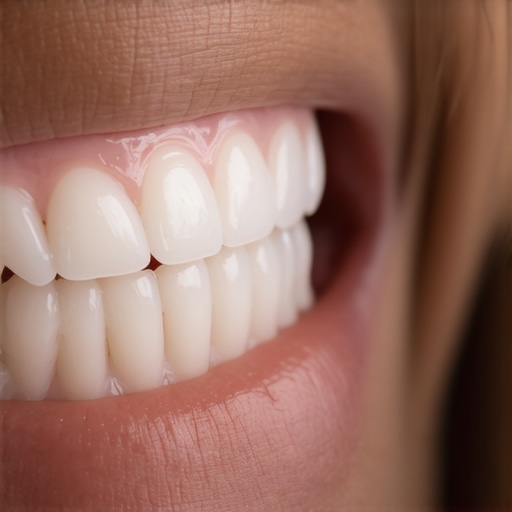
Have you ever taken a sip of hot coffee or a bite of steaming food and felt your teeth suddenly twinge with discomfort? That familiar sting, especially when you wear Invisalign—it’s like a sudden wake-up call to a problem you didn’t even realize existed. I remember the first time it happened to me. I was eager to enjoy my favorite hot soup, only to be greeted by a sharp, almost throbbing sensation in my teeth. Initially, I thought it was just normal sensitivity, but then I started noticing it more and more with heat—and I felt a little panicked. Was this part of my Invisalign journey, or something worse?
Understanding Why Heat Sensitivity Happens During Invisalign Treatment
Is Heat Sensitivity a Sign of Damage or Normal Adjustment?
Many people assume that experiencing heat sensitivity with Invisalign is a sign of damage or a serious dental problem. However, in most cases, it’s a common temporary reaction. The aligners work by applying gentle pressure to shift teeth, which can influence the nerves inside your teeth. As a result, hot foods or drinks can trigger a heightened sensation—a bit like when you walk into a cold room after being outdoors on a chilly day. Early on in my own treatment, I made the mistake of ignoring this feeling, thinking it was just a side effect. But ignoring the signs can sometimes lead to unnecessary worry or overlooked issues. For a clearer understanding, you might want to check out this insightful article on common Invisalign myths and truths, which can help dispel some misconceptions about the process.
So, why exactly does this happen? The primary reason relates to the natural response of your teeth and nerves to the movement encouraged by Invisalign. The pressure applied during treatment causes minor inflammation in the supporting bone around your teeth, which can make the nerves more reactive to hot or cold stimuli. This is, in fact, a sign that your teeth are responding as they should be—getting the adjustments they need. However, it’s essential to recognize when this sensitivity turns into persistent pain or indicates other issues, such as a crack or decay. Regular check-ins with your dentist can help you navigate these signals effectively.
Interestingly, a study published by the American Dental Association highlights that mild sensitivity during orthodontic treatment is pretty common, especially in the first few weeks. Being aware of this helps in distinguishing normal reactions from warning signs. If you’re concerned or if your sensitivity becomes more intense, don’t hesitate to reach out to your family dentist. Proper guidance can make a significant difference in ensuring your comfort and maintaining your progress.
|
> Are you experiencing heat sensitivity with your Invisalign trays? Trust me, you’re not alone in this. Stick around; next, I’ll share practical steps to minimize this discomfort and make your treatment journey more comfortable.
Reduce Heat Sensitivity with Practical Adjustments
Cool Your Hot Foods and Drinks
Start by ensuring your foods and beverages are at a comfortable temperature. I once made a mistake of pouring hot coffee directly, which caused immediate discomfort. Now, I let my drinks cool for a few minutes before sipping. Using a thermometer to check the temperature can also help prevent surprises. This simple step drastically decreased my teeth’s reactive sensitivity, turning my morning routine into a more comfortable experience.
Modify Your Eating Techniques
When eating hot or cold items, take small bites and chew slowly. During my own treatment, I noticed that rushing through meals heightened discomfort. By using smaller bites and chewing minimally on the affected side, I minimized sudden heat or cold contact with sensitive areas. This method acts like a buffer, giving your teeth time to adapt to temperature changes without sharp pain.
Switch to Gentle Oral Care Products
Choose toothpaste formulated for sensitive teeth, such as those containing potassium nitrate. I replaced my regular toothpaste with a sensitivity-specific version recommended by my dentist, which took a few days to notice significant relief. Regular brushing with gentle techniques avoids aggravating nerve endings further. Consistency makes a difference in maintaining comfort during the adjustments caused by Invisalign treatment.
Optimize Your Day-to-Day Habits
Limit Extreme Temperatures
Avoid exposing your teeth to sudden temperature shifts. For example, don’t sip hot coffee and then immediately follow with ice water. I learned this the hard way during a busy morning; switching abruptly from hot to cold made my teeth react painfully. Gradually adjusting between temperature extremes helps your nerves become less reactive over time.
Stay Hydrated and Maintain Saliva Flow
Dry mouth can worsen sensitivity. Drinking water regularly keeps your mouth moist and buffers temperature changes. I carried a water bottle and sipped frequently, noticing my sensitivity symptoms diminished. Proper hydration also promotes oral health, supporting the gums and teeth during Invisalign treatment.
When to Seek Professional Guidance
If heat sensitivity persists beyond a few weeks or worsens, consult your dentist promptly. Persistent discomfort could signal underlying issues like cracks or decay that need attention. My experience with a persistent nagging pain taught me that early intervention saves discomfort later. Regular check-ins during Invisalign treatment help catch potential problems early, ensuring your progress continues smoothly.
When considering dental restorations or orthodontic treatments, many people rely on common beliefs that can lead them astray. For instance, the assumption that crowns are purely cosmetic overlooks their critical role in restoring function and preventing further damage—something I’ve delved into extensively in my article on [why crowns are a game-changer in restorative dentistry](https://familydentistpro.com/why-crowns-are-a-game-changer-in-restorative-dentistry). A widespread myth is that Invisalign is solely for aesthetic purposes; in reality, it has profound implications for oral health, especially in complex cases involving bite correction and long-term jaw health, as discussed in [how Invisalign transforms family dentistry in 2025](https://familydentistpro.com/how-invisalign-transforms-family-dentistry-in-2025).
Investing in Reliable Tools for Lasting Results
Maintaining optimal oral health and ensuring your dental treatments stand the test of time requires more than just visiting your dentist regularly. It involves leveraging the right tools and techniques to monitor and tend to your teeth between appointments. Personally, I swear by a few select items that have genuinely transformed my daily routine, making my smile healthier and brighter over the years.
One essential tool is a high-quality electric toothbrush equipped with a pressure sensor. Unlike manual brushes, these toothbrushes help prevent over-brushing, which can damage gums and enamel. I use a model that not only has multiple brushing modes but also alerts me if I apply too much pressure, thus preserving my crowns and fillings. This is especially crucial if you’re wearing crowns or veneers, as excessive force can lead to premature wear or detachment.
Next, I recommend a water flosser featuring adjustable pressure settings. My favorite version offers customizable streams that easily dislodge plaque and debris around crowns and at the gumline, where traditional floss might struggle. Regular use of a water flosser helps me maintain gum health and prevents stubborn tartar buildup, which can compromise long-term restorations. For detailed guidance on caring for crowns, check out this comprehensive guide.
Smart Apps for Monitoring Oral Health
Embracing technology extends beyond physical tools. I utilize a smartphone app that tracks my brushing and flossing habits, providing insights and reminders. These apps often connect to compatible electric toothbrushes and water flossers, logging your activity and highlighting areas for improvement. As digital health innovations evolve, I predict a future where AI-driven monitoring will offer personalized recommendations, alerting you to issues before they develop into costly repairs or replacements.
Using such tools enables me to spot early signs of problems and act proactively, reducing the likelihood of needing extensive procedures down the line. It’s a small investment but pays off by extending the lifespan of my dental restorations and overall oral health.
How do I sustain my dental improvements over time?
Consistency is the secret. Regularly replacing or upgrading your tools ensures optimal performance—think of it like tuning a musical instrument. Also, pairing these tools with routine professional checkups creates a powerful defense against the slow decline of oral health, especially when you have crowns or Invisalign devices in place. Keeping your equipment clean and following the manufacturer’s maintenance guidelines extends their effectiveness. For instance, replacing your toothbrush head every three months, as recommended by experts, minimizes bacteria buildup and maintains cleaning efficacy.
Don’t underestimate the value of a well-maintained toolkit. The better you care for your tools, the more resilient your smile becomes, and the faster you can identify and address issues that might compromise your long-term results. Want to see how to integrate these tools into your ongoing oral health plan? Try setting a routine to inspect and replace your toothbrush and flosser every three to six months—small steps that create big long-term benefits. For more advanced strategies, visit this resource on crown longevity.
The Hardest Lesson I Learned About Crowns and Invisalign
- Patience Is Key: I realized that rushing adjustments or ignoring early signs of heat sensitivity only prolongs discomfort. Listening to my body and consulting my dentist promptly saved me future complications.
- Details Matter: Small habits like temperature moderation and gentle brushing made a significant difference in maintaining my restorations and aligners, reinforcing that consistent, mindful care truly pays off.
- Myths Can Hold You Back: Believing that sensitivity signals damage led me to unnecessary worry; understanding normal treatment responses empowered me to stay calm and proactive.
Tools That Supported My Smile Journey
- High-Quality Electric Toothbrushes with Pressure Sensors: They helped me prevent over-brushing, especially around crowns, ensuring longevity and avoiding damage.
- Water Flossers with Adjustable Pressure: These kept my gums healthy and my dental work intact, making daily cleaning effective yet gentle.
- Apps for Oral Health Monitoring: Technology allowed me to stay accountable, spot early issues, and reinforce good habits, which I believe is crucial in long-term oral health maintenance.
Keep Your Smile Strong and Bright
You have the power to take control of your oral health. With mindful habits, trusted tools, and regular dental checkups, your long-term dental wellness—including crowns and Invisalign—can truly thrive. Remember, it’s never just about the immediate results but building a resilient, confident smile that lasts a lifetime. Curious about how these insights can transform your own dental journey? Start today, and embrace the confidence that comes with a healthy, radiant smile.