
Why your Invisalign trays smell even after scrubbing
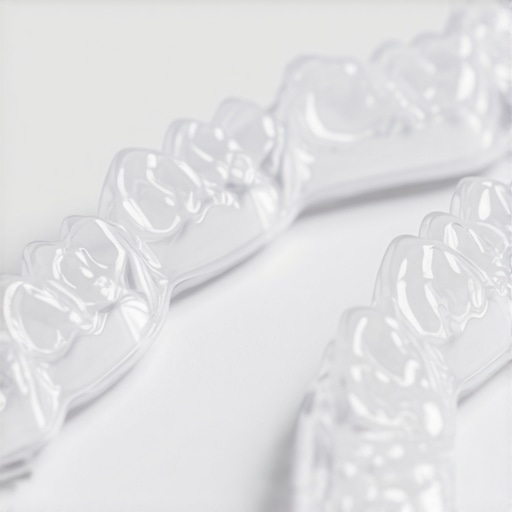
Have you ever taken out your Invisalign trays, only to be greeted by a strange, persistent odor that just won’t go away—no matter how much you scrub? I remember the moment I noticed my trays still reeking even after a thorough cleaning session. It was frustrating, confusing, and honestly a little embarrassing. I had tried all the usual tips—brushing, soaking, even using mouthwash—yet that unpleasant smell clung on like an unwelcome guest. If you’ve faced this problem, you’re not alone, and chances are, there’s more to the story than just needing a better scrub.
Let’s Get Real About Invisalign Tray Odor
I’ve been where you are—wondering why my efforts to freshen up my trays haven’t worked. The truth is, it’s a common issue many Invisalign wearers encounter. The odor isn’t necessarily a sign of poor hygiene; instead, it’s often related to how the trays interact with your mouth environment and the materials used. Over time, bacteria and plaque can accumulate in small crevices, and despite your best cleaning efforts, these can produce a smell that lingers. The good news? Understanding the root causes can help you take targeted action and regain that fresh, clean feeling every time you pop your trays back in.
Could It Be Your Cleaning Routine or Something Else?
Early in my journey, I made a critical mistake—using just soap and water, thinking that was enough. Later, I learned that specific cleaning methods and products matter immensely. According to dental experts, regular cleaning is vital, but the type of cleaning agents and techniques play a crucial role in eliminating stubborn odors. Interestingly, studies show that some bacteria can form biofilms on plastic surfaces like Invisalign trays, making them resistant to ordinary cleaning. This realization motivated me to dig deeper and find proven methods to combat the smell effectively.
If you’re tired of masking the smell with mouthwash or feeling self-conscious about your trays, stay tuned. We’ll explore practical, dermatologist-approved tips that have worked for me—and could work for you too. Before moving forward, consider this: Have you noticed that your trays smell even after rinsing thoroughly? If so, you’re not alone, and the solution is closer than you think. Let’s uncover the secrets to keeping your Invisalign trays smelling fresh and feeling confident every day.
Get the Right Cleaning Tools
Start by gathering a soft-bristled toothbrush, non-abrasive toothpaste, a denture-cleaning tablet, and a small cup of lukewarm water. I remember the first time I cleaned my trays thoroughly—using a different toothbrush than my regular one—this prevented scratches. These tools help remove plaque and bacteria hiding in tiny crevices that cause odors. Avoid using hot water, as it can warp the plastic.
Establish a Daily Routine
Rinse Immediately After Removal
Each time you take out your Invisalign trays, rinse them under cold water. During my first week, I used to leave trays in a box without rinsing, and the smell intensified. Rinsing prevents bacteria from settling in and becoming odor-causing biofilms. Use your fingertips to gently rub the trays, focusing on areas where buildup occurs.
Use Special Cleaners
Soak your trays daily in a denture-cleaning tablet dissolved in lukewarm water for 15 minutes. I found this step crucial—my trays looked clear and smelled fresh after soaking. This process helps break down stubborn plaque and eliminate lingering smells that regular rinsing can miss. Do not soak in mouthwash, which can stain the trays over time.
Incorporate Natural Deodorizers
For extra freshness, add a teaspoon of baking soda to your soaking solution. Baking soda acts as a natural deodorizer and neutralizes acids producing odors. I experimented with this technique and noticed a significant reduction in bad smell, especially when I combined it with regular brushing.
Properly Store Your Trays
Always store your trays in a ventilated case when not in use. I made the mistake of leaving them in a closed container, which fostered bad smells. A dry, clean case allows moisture to evaporate, preventing bacterial growth. Cleaning the case weekly with soap and water also helps control odor buildup.
Maintain Oral Hygiene to Complement Cleaning
Brush your teeth at least twice daily and floss regularly. A clean mouth means fewer bacteria to transfer onto your trays. Remember, poor oral hygiene can contribute to the persistent smells even after cleaning your trays thoroughly. Visiting your family dentist regularly ensures your overall oral health stays optimal and supports your tray maintenance efforts. For more insights into family dental care, check out family dentistry secrets.
Many people believe they fully understand Invisalign and other aspects of oral care, but in reality, misconceptions still abound. One widespread myth is that Invisalign aligners require no special maintenance; however, neglecting proper cleaning can lead to persistent odors and plaque buildup, compromising treatment outcomes. Expert studies highlight that biofilms can form on plastic trays if not cleaned correctly, which isn’t widely appreciated among patients. For instance, using harsh chemicals or skipping regular soaking can inadvertently trap bacteria, causing more harm than good. It’s crucial to recognize that advanced techniques, like ultrasonic cleaning, can significantly improve hygiene and prolong the lifespan of aligners. When it comes to family dentistry, many assume routine checkups are sufficient, but tailored preventive strategies are essential for each age group. For example, children and seniors need different approaches to maintain optimal oral health, tailored interventions that many oversimplify. As for crowns, a common mistake is believing they are permanent and require no maintenance. In fact, improper brushing around crowns can lead to gum recession and decay at the margins, emphasizing the importance of meticulous oral hygiene. Advanced dental research stresses the significance of choosing the right materials and techniques to ensure longevity and health.
What Are the Subtle Changes That Signal Crown Failure Before It Becomes Visible?
Studies from leading dental institutions reveal that early signs like micro-leakage or slight discoloration can indicate impending crown failure—information that patients often overlook. Staying aware of these nuances allows for timely intervention, saving you from more invasive procedures later. Moreover, many underestimate the role of diet and habits in oral health continuity; acidic foods or grinding can weaken restorations faster than expected. Don’t fall into the trap of thinking that ignoring these factors won’t impact your dental investments. Remember, optimal oral hygiene isn’t just about brushing—flossing correctly, maintaining regular professional cleanings, and understanding your unique needs are vital. For personalized advice, consider booking a consultation [here](https://familydentistpro.com/contact-us). Let’s dig deeper into these hidden truths—have you ever fallen into this trap? Let me know in the comments.
Keeping It Working: Essential Tools for Sustainable Oral Health
Maintaining your Invisalign trays, crowns, and overall oral health isn’t a set-and-forget task. It requires the right tools and a strategic approach to ensure long-term success. Personally, I rely on a few key pieces of equipment that have proven their worth over years of practice and experience. First, I swear by a ultrasonic cleaner. Unlike manual scrubbing, an ultrasonic device uses high-frequency sound waves to reach tiny crevices, dismantling stubborn bacteria and biofilms that could otherwise cause persistent odors or decay. I invested in the ultrasonic cleaner recommended by top dental experts, and it has dramatically improved my maintenance routine.
Next, a microfiber dental appliance brush is invaluable for detail-oriented cleaning, especially around crowns and hard-to-reach areas. Its gentle bristles prevent damage to delicate restorations while effectively removing plaque. Pairing this with a professional-grade mouth rinse—not just over-the-counter mouthwash—ensures a comprehensive approach. I prefer the ones containing chlorhexidine, which have been shown to significantly reduce bacterial load when used correctly.
When it comes to software, my go-to is a dental tracking app that monitors when I need to switch aligners or replace my toothbrush. Digital reminders help prevent neglecting critical maintenance steps, which can compromise treatment efficacy. As technology evolves, I predict these apps will increasingly incorporate AI to personalize advice based on your oral health data.
How do I maintain my tools over time?
Regular sanitation is non-negotiable. Ultrasonic cleaners should be cleaned weekly with a mild disinfectant, and brushes replaced every three months. Proper storage of these tools keeps them free from dust and bacteria. For software, updating the app regularly ensures you have access to the latest features and security patches. Overall, integrating these tools into your routine offers a proactive stance against future issues like odor, staining, or even minor appliance malfunctions.
Scaling your approach later involves investing in more advanced solutions, such as ultrasound cleaning devices designed specifically for Invisalign or scheduling periodic professional cleanings with your dentist. These steps not only prolong the lifespan of your appliances but also maintain optimal oral health, preventing costly and invasive procedures down the line.
By employing high-quality equipment and staying consistent with your maintenance routine, you set yourself up for success. Want to take your oral care to the next level? Try integrating an ultrasonic cleaner into your regimen today and experience how effortless long-term cleanliness can become. For personalized advice tailored to your specific needs, consider booking a consultation here. Remember, proactive maintenance is your best investment in a healthy, confident smile for years to come.
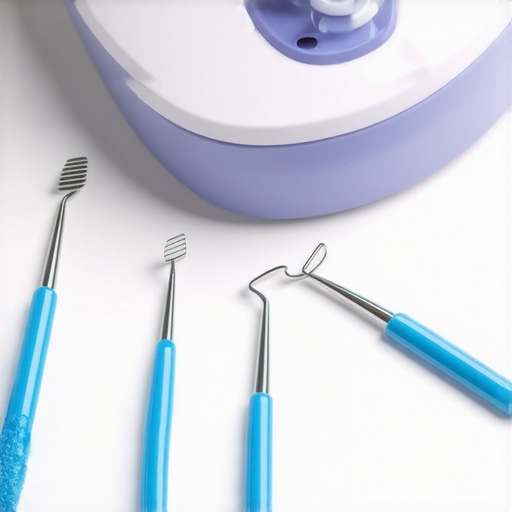
Over the course of my journey with Invisalign and family dental care, I realized that some of the most impactful lessons come from personal experience and a willingness to question common practices. One eye-opening insight was understanding how biofilms and bacterial resilience require more than just superficial cleaning—integrating advanced tools like ultrasonic cleaners transformed my approach and saved me from persistent odors and potential complications. Remember, real progress often demands embracing new methods, even if they seem outside the norm initially.
What I Wish I Knew Before Relying Solely on Basic Oral Hygiene
- Beware of complacency: Rinsing trays with water and brushing twice a day are good, but they might not be enough against stubborn bacteria forming biofilms—experts highlight that specialized cleaning tools make a significant difference.
- Invest in quality tools early on: Ultrasonic cleaners and gentle brushes have saved me from costly repairs and health issues. My advice? Prioritize these investments—it pays off in the long run.
- Understand the environment you’re creating: Moist, closed containers foster bacterial growth. Proper storage and regular case cleaning are crucial in preventing bad odors and maintaining hygiene.
- Listen to subtle signs: Small changes like mild discomfort or slight discoloration can indicate deeper issues long before they become visible. Staying alert allows for timely intervention.
- Seek personalized advice: Your oral health needs are unique. Consulting your family dentist and exploring tailored strategies might reveal solutions you haven’t considered—click here to schedule a professional assessment.
Tools and Resources That Changed My Perspective
- Ultrasonic dental cleaners: These devices use sound waves to eliminate biofilms, significantly improving hygiene—my number one recommendation for anyone serious about oral health.
- Microfiber brushes designed for appliances: Gentle yet effective at reaching into tiny crevices, they help keep aligners and crowns clean without damage.
- Professional-grade mouth rinses: Options containing chlorhexidine support bacterial control—trustworthy and backed by research.
- Dedicated dental tracking apps: Managing aligner changes and routine cleanings is easier with digital reminders personalized to your schedule. Explore latest innovations in family dentistry for cutting-edge tools.
Own Your Smile Moving Forward
The future of oral health is in your hands—empower yourself to take proactive steps that go beyond the basics. Incorporate advanced tools, stay vigilant to early signals, and seek personalized guidance to maintain a confident, fresh smile. Your dental journey is uniquely yours; embracing new strategies today will secure your smile’s health for years to come. Want personalized advice? Schedule a consultation with a family dentist today and start transforming your oral care routine. What’s a new technique you’re excited to try to improve your Invisalign or crown maintenance? Share your thoughts below!