
Why your mouth feels sour after a long workout
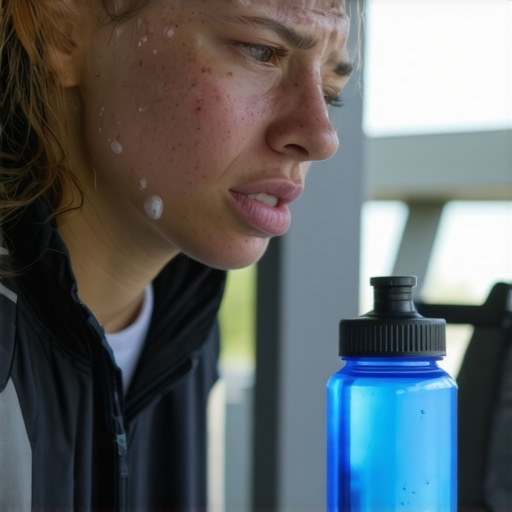
Have you ever finished an intense workout and noticed an unexpected sour taste lingering in your mouth? I sure have. One day, after pushing myself through a grueling session at the gym, I was hit with this peculiar, almost metallic flavor that just wouldn’t go away. It was both confusing and a little unsettling. I thought it was just some temporary thing, but that sour taste stuck around for hours, making my post-workout routine feel a lot less refreshing.
Why Your Mouth Tastes Sour After Exercise: The Hidden Factors
Turns out, that sour sensation isn’t just a random quirk—it’s a sign from your body that something might need attention. During exercise, your body ramps up processes like breathing and sweating, which can affect your oral health in surprising ways. One main culprit is dehydration. When you’re sweating excessively, your mouth becomes dry, reducing saliva production. This lessens the mouth’s natural ability to wash away bacteria and neutralize acids, leading to that nasty sour or metallic taste.
Plus, when you breathe heavily during workouts, especially through your mouth, you’re drawing in dry, unfiltered air. This can irritate your oral tissues and disrupt the delicate pH balance inside your mouth. An imbalance makes it easier for acids to build up, contributing to that sour flavor. Interestingly, a 2018 study in the Journal of Oral Health highlights how dehydration and mouth breathing are linked to changes in oral pH, which can cause bad tastes and discomfort.
I’ve learned over time that paying attention to hydration and breathing techniques can make a big difference. But before we dig into solutions, let’s clear up some common doubts about this phenomenon.
Is a sour mouth after workouts actually a sign of something worse?
Early on, I made the mistake of dismissing it as a minor inconvenience. I didn’t realize it could be an early warning sign of dehydration or even underlying dental issues, especially if it persists or worsens. If you’re experiencing this regularly, it might be time to look deeper.
In the next sections, I’ll share practical tips that have helped me—and could help you—manage this uncomfortable side effect effectively, so you can focus on your fitness without the sour surprise.
Want to make sure your oral health stays on point? Check out top oral health tips for the whole family.
Stay Hydrated Before and After Your Workout
One of the simplest yet most effective actions is to drink water consistently around your exercise routine. During my own experience, I started carrying a reusable water bottle and sipping frequently, which prevented my mouth from drying out and reduced that sour taste. Aim for at least 8 ounces of water before starting and continue sipping during your workout. Proper hydration keeps saliva production up, acting as the mouth’s natural cleanser and pH balancer.
Practice Controlled Breathing Techniques
During intense workouts, many breathe through their mouths without realizing it. This dry air irritates oral tissues and disrupts pH balance. I began consciously inhaling through my nose, which filters and humidifies incoming air, minimizing dryness. To implement this, try nasal breathing exercises—inhale slowly through your nose for 4 seconds, hold for 2 seconds, then exhale through your nose for 4 seconds. Over time, this improves breathing efficiency and reduces oral dryness, thereby diminishing that sour taste.
Use Sugar-Free Mouth Rinses or Chewing Gum
After workouts, I started using alcohol-free, sugar-free mouth rinses or chewing gum containing xylitol. These stimulate saliva flow and help neutralize acids quickly. Think of saliva as a gardener, watering your oral ecosystem and washing away excess bacteria and acids. When I forgot to do this, my sour sensation lingered longer. Incorporate rinsing or chewing gum into your post-exercise routine for immediate relief.
Maintain Regular Oral Hygiene Routines
Brushing at least twice daily and flossing once removes plaque and reduces bacterial acids that cause bad tastes. I always carry a travel-sized toothbrush and floss in my gym bag. After workouts, a quick brush can eliminate the unwanted flavor and refresh your breath. Also, consider tongue scraping to remove coating buildup that traps bacteria contributing to sour tastes. These steps effectively balance your oral pH and prevent persistent sourness.
Incorporate Dietary Adjustments
Limit your intake of acidic and sugary foods around exercise times, as these can exacerbate sour tastes. Instead, eat neutral or alkaline foods such as bananas, nuts, or vegetables. During my trial, I noticed that cutting down on citrus and sugary snacks made a noticeable difference in my post-workout mouth feel. For insights into nutrition’s role in oral pH, check out top oral health tips.
Consider Regular Dental Check-ups
Persistent sour taste might hint at underlying issues like cavities or gum problems. Regular visits to your family dentist can catch and treat these early. I scheduled routine check-ups, which reassured me that no hidden dental problems were contributing to my discomfort. A professional cleaning can also help remove plaque and tartar that harbor bacteria producing acids, thereby improving your overall oral health and reducing undesirable tastes.
Adjust Your Workout Environment and Schedule
If your workouts are outdoors, wind and dust can dry out your mouth. Switching to indoor exercises or choosing protective gear such as a face mask or bandana can help. Additionally, working out at cooler times of the day limits excessive sweating and dehydration, mitigating mouth dryness. I experimented by shifting my sessions to early mornings, which resulted in less dryness and a more comfortable post-exercise mouth.
Integrate These Actions Seamlessly Into Your Routine
Consistency is crucial. By adopting these steps—hydration, breathing control, oral hygiene, diet, and regular dental visits—you can significantly reduce or eliminate that sour post-workout taste. My personal experience underscores that small, deliberate actions lead to big improvements over time. Remember, if sour sensations persist despite these efforts, consult your family dentist for tailored guidance and treatment options that may beyond home remedies.
Many people assume they understand the basics of dental treatments like Invisalign, crowns, and maintaining oral health, but beneath the surface lie nuanced misconceptions that can hinder optimal results. For instance, a common myth is that Invisalign is only suitable for mild misalignments. However, recent advancements reveal that with proper planning, even complex cases can benefit from clear aligners, challenging traditional beliefs that only braces can handle severe corrections. You can explore the latest innovations in Invisalign technology to understand these breakthroughs.Maintaining dental appliances like Invisalign aligners or crowns requires the right tools and consistent routines. Personally, I swear by using ultrasonic cleaners designed explicitly for dental hardware, such as the Ultrasonex Professional Ultrasonic Cleaner. These devices use high-frequency sound waves to disrupt plaque and bacteria from aligners and crowns without scratching or damaging them, providing a deeper clean than manual brushing alone.
Another essential tool I rely on is a specialized retainer cleaner spray, like the Dental Cleanse Max, which helps prevent the buildup of biofilm that can cause discoloration or odors. Regular use of such solutions, combined with a soft-bristled toothbrush, ensures my appliances stay clear, smell fresh, and function effectively for months on end.
In the realm of digital tools, I utilize appointment management software such as DentalSoft to keep track of routine checks, replacements, and adjustments. This proactive approach minimizes the risk of complications and ensures my dental work is always performing optimally. As technology advances, I foresee more integration of smart sensors within crowns and aligners that monitor wear patterns and oral health markers, alerting users and dentists to potential issues early.
How do I maintain long-term results for crowns and Invisalign over time? Regular check-ups at your dentist’s office are crucial. During these visits, professionals assess the integrity of crowns using x-ray imaging and inspect Invisalign attachments for wear or damage. For instance, the latest crown technologies include ceramic materials with enhanced durability, but they still need periodic evaluation to ensure longevity.
If you’re considering scaling your dental health routines, investing in high-quality tools coupled with professional guidance can extend the lifespan of your restorations significantly. I encourage trying out ultrasonic cleaning devices like the Ultrasonex—it’s a game-changer in maintaining appliance clarity and hygiene. Staying vigilant with routine checks and embracing new tech solutions will help you enjoy the best results from your dental investments for years to come.
What No One Tells You About Invisalign Success
One of my biggest lightbulb moments came when I realized that consistent follow-up appointments and actual patient engagement play a crucial role in successful Invisalign outcomes. It’s tempting to think that once you start treatment, you’re all set, but the truth is, regular check-ins and honest feedback can dramatically speed up results and prevent surprises. This insight changed how I approach my dental regimen, making me proactively seek my provider’s advice and adhere diligently to prescribed routines.
Keys to Maintaining Dental Restorations That Go Beyond Routine
While daily brushing and flossing are standard advice, I learned that incorporating ultrasonic cleaning devices and professional-grade retainer sprays elevates the longevity of crowns and aligners. Trusting tools like the Ultrasonex Cleaner has kept my dental appliances in pristine condition, preventing bacteria buildup and discoloration. This experience taught me that investing in quality tools and staying proactive with maintenance can save you from costly repairs and replacements down the line.
What Dentists Rarely Discuss About Long-Term Oral Health
One lesson I uncovered is that the true key to preserving restorations and natural teeth is understanding the emerging tech in dental materials and monitoring devices. For instance, recent innovations include smart crowns with embedded sensors that alert you and your dentist to potential issues early. Staying informed through resources like latest dental tech articles has transformed my approach, making me cautious but optimistic about future breakthroughs that could revolutionize family dentistry.
Where New Tools and Knowledge Can Lead Your Oral Health Journey
From personal experience, aligning your routine with advances such as digital appointment management and personalized care plans can be game-changers. I rely on platforms like DentalSoft to keep track of my dental appointments and treatment milestones. Combining these tools with regular professional evaluations ensures my long-term dental health. For detailed guidance, exploring comprehensive resources like the ultimate crown guide offers valuable insights into maximizing your investment in oral health.
The Power of Taking Control: Your Next Step in Family Dentistry
Ultimately, the most empowering lesson I learned is that the journey toward a healthy, confident smile is ongoing. Small daily actions—like mindful hydration, cautious dietary choices, and diligent oral hygiene—compound over time. I encourage you to embrace these insights and consider how integrating ongoing education and smart tools can truly transform your family’s dental experiences. Remember, a healthy smile is a lifelong investment, and your proactive steps today will pay dividends tomorrow.
What’s one change you’re excited to try in your oral health routine after reading this? Share your thoughts below—I’d love to hear your plans and questions!