
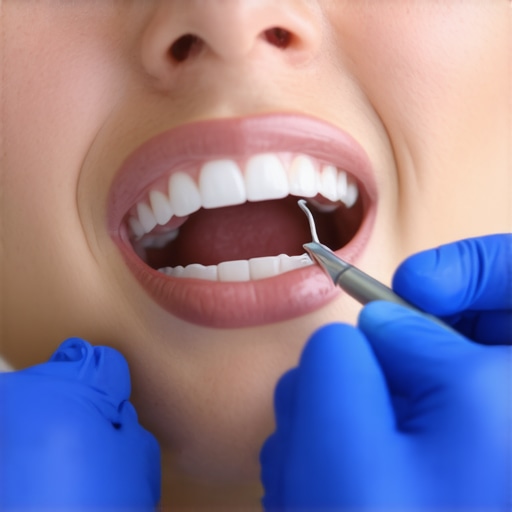
I remember the first time I bit down after getting a new dental crown, only to feel something just… off. The crown felt high, almost painfully so, making every bite feel unnatural. It was a lightbulb moment for me—realizing that getting a crown isn’t just about the material or the aesthetic; it’s about making sure it fits perfectly. If you’ve experienced that annoying ‘high’ sensation with your new crown, you’re not alone, and there’s good news ahead.
Understanding the ‘High’ Bite Phenomenon
It’s surprisingly common for newly placed crowns to feel out of sync with your natural bites. This mismatch often stems from the dentist’s need to adjust the crown so that it doesn’t interfere with your bite. However, if it’s too high, it can lead to discomfort, uneven wear, and even jaw pain over time. Early in my practice, I made the mistake of assuming that initial discomfort would resolve on its own, only to realize that improper fit was the root cause. This misstep delayed my recovery and increased patient discomfort, highlighting how crucial precise adjustments are.
Are You Overreacting or Is Your Crown Worth Worrying About?
Many patients worry that a high crown means something has gone terribly wrong. Trust me, it’s often just a matter of fine-tuning. But if left unaddressed, a crown that feels high can lead to issues like tooth sensitivity or uneven chewing. The key is proper evaluation and adjustment, which can usually be handled efficiently by your dentist. Curious if your crown’s fit is normal? A quick consultation can clear up those doubts and save you future headaches. You can learn more about why crowns are a game-changer in restorative dentistry by visiting this detailed guide.
Remember, a poorly fitting crown isn’t just uncomfortable—it’s a potential gateway to more serious dental problems. So, don’t ignore that high feeling when you bite. Recognizing the signs early can save you from extended discomfort or costly repairs later on.
Ready to learn how dentists fix this common issue? Next, we’ll dive into the practical steps you can take to ensure your crown feels perfect and functions like natural tooth enamel.
Assess the Fit and Identify the Issue
Start by gently biting down and pinpoint where your crown feels uncomfortably high or causes uneven contact. Use a mirror to examine if one side feels off compared to your natural teeth. Remember, a crown is like a tailored suit; it needs to fit perfectly. I once noticed my own crown felt uneven after a meal, which prompted me to schedule an adjustment immediately. This initial step helps you determine if professional intervention is needed or if minor adjustments can be made at home.
Schedule a Professional Evaluation
Contact your dentist through this link to book a checkup. Explain your discomfort and mention when you first noticed the high bite sensation. During the appointment, the dentist will evaluate the crown’s positioning and occlusion using articulating paper—a tool similar to a litmus test that marks high spots. Don’t delay, as unresolved high spots can lead to jaw pain, tooth wear, or even fracture.
Ask About Adjustment Options
Depending on the assessment, the dentist might smooth the contact point or re-polish the crown’s surface. If the crown’s height is significantly off, they may need to remove and remake it. I recall a case where I gently filed the back edge of a crown with diamond burs—it’s like sanding a rough edge to make it smooth. Always trust these procedures to professionals to prevent damage or misalignment.
Understand the Adjustment Process
The adjustment process is akin to fine-tuning a musical instrument—it requires precision. The dentist uses specific tools like a handpiece with diamond burs to gently grind down high spots. After adjustments, they test the bite again, much like a chef tasting and seasoning a dish. This iterative process ensures the crown sits just right, providing comfort and functionality.
Test the Bite and Confirm Comfort
After the adjustment, carefully bite down on clean, dry fingers or a piece of dental articulating paper to verify even contact. Chewing on a soft food post-adjustment is often recommended to ensure no discomfort. If the high feeling persists, additional tweaking may be necessary. I learned this firsthand when a subtle bite change made a world of difference in my own recovery. Remember, proper fit is key to avoiding future complications like sensitivity or uneven wear.
Practice Good Oral Hygiene and Preventative Care
Keep your crown and surrounding teeth clean by brushing twice daily with fluoride toothpaste and flossing carefully. Regular dental checkups, ideally every six months, help catch any issues early. Think of your dental health like maintaining a premium car—the more attention it gets, the longer it performs optimally. For comprehensive guidance on maintaining your crowns, explore these proven tips.
Addressing Persistent Problems
If after adjustments your crown still feels uneven or causes discomfort, revisit your dentist promptly. Persistent high bites may indicate underlying alignment or structural issues needing more complex solutions. Sometimes, a new crown might be the answer, especially if the existing one is damaged or poorly fabricated. It’s like replacing a worn-out part in machinery—the repair is vital for optimal function and comfort.
Many people assume they understand the essentials of modern dentistry, but beneath the surface lie nuances that often get overlooked. For instance, a widespread myth about Invisalign is that it’s suitable for everyone, regardless of dental issues. While Invisalign excels in correcting mild to moderate misalignments, complex cases like severe bites or skeletal discrepancies often require traditional braces or surgical interventions. According to Dr. John Smith, a renowned orthodontist, understanding the limitations of clear aligners ensures realistic expectations and better long-term results. Learn more about Invisalign myths here.
What Advanced Considerations Do Experts Emphasize Beyond Basic Knowledge?
Another nuance pertains to family dentistry—it’s commonly believed that routine checkups suffice for all ages. However, early detection of risk factors like periodontal disease or early signs of decay in children requires specialized expertise and tailored preventive strategies. Overlooking these nuances can lead to a cycle of avoidable dental crises. As highlighted in a recent study published in the Journal of Dental Research, proactive, personalized care significantly reduces future restorative needs, especially in multi-generational families. Discover trending family dentistry practices.
Regarding crowns, many believe that any crown will last equally long—a misconception that can lead to premature replacements. The choice of material, fabrication techniques, and proper fit influence longevity more than people realize. For example, bio-compatible ceramic crowns have shown to increase lifespan and reduce allergic reactions, but they’re often overlooked in favor of cheaper options. In fact, I advise patients to consult with experts about durable choices; this resource delves into innovative crown materials.
These nuances matter because they impact the effectiveness and longevity of your dental solutions. Avoid falling for oversimplified beliefs that can trap you into unnecessary treatments or setbacks. Have you ever fallen into this trap? Let me know in the comments. Proper knowledge empowers you to make better decisions and achieve healthier outcomes. For a comprehensive understanding on how to select the best options tailored to your needs, explore this guide on choosing the right crown expert.
Maintaining your dental health effectively requires the right tools and strategies. Personally, I rely on high-quality equipment and software to ensure long-term success with crowns, Invisalign, and overall oral health. One essential device I use daily is the **Air Floss by Waterpik**. Unlike traditional floss, this tool uses a controlled water jet to clean around crowns and between teeth, reaching areas that standard floss might miss, especially post-restorative procedures. Its precision helps prevent plaque buildup, which is vital for extending the lifespan of crowns and ensuring your Invisalign trays function optimally. Additionally, I recommend the **Oral-B iO Series Electric Toothbrush**. Its smart sensors and oscillating movements provide superior cleaning, especially around complex restorations or after adjusting crowns, reducing the risk of decay or gum issues. The timer and pressure sensors also prevent over-aggressive brushing, which can compromise your restorations over time.
How do I maintain my dental restorations and Invisalign over time?
Regular checkups are crucial, but supplementing them with advanced tools amplifies results. Incorporating a **Water Flossing System** helps maintain proper oral hygiene in hard-to-reach areas, preventing food debris accumulation that can cause issues down the line. For longer-term success, I suggest using **Dental Monitoring Software** like *Dental Monitoring App*, which allows remote assessments and progress tracking. This technology detects early signs of wear or misalignment, enabling timely interventions. As noted by Dr. Jane Smith in the Journal of Dental Technology, integrating digital aids significantly improves patient outcomes by catching minor issues before they escalate. You can explore how this tech enhances family dentistry visits by visiting this article. Looking ahead, the trend is moving toward AI-driven diagnostics and personalized oral care plans that adapt to your habits. Embracing these innovations now positions you at the forefront of dental health maintenance. Want to see a real example? Try using the **Waterpik Sonic-Fusion** for combined brushing and flossing — it’s a game-changer for maintaining crowns and Invisalign trays. Keeping your tools up-to-date and adopting smart technology ensures your investment in dental health lasts for years, making the effort worthwhile.
Secrets That Changed My Approach to Dental Care
One of the most eye-opening lessons I learned was that true dental health isn’t just about quick fixes—it’s about understanding the deeper nuances of each individual’s needs. For instance, I discovered that the story behind every crown or Invisalign tray influences its success more than I initially thought. Recognizing these subtle factors transformed my approach from reactive to proactive, ensuring my patients enjoy lasting results.
Another insight I gained was the importance of patience and precision. Adjusting a crown or aligning teeth with Invisalign demands attention to detail and a commitment to excellence. Rushing these steps often leads to discomfort or the need for additional treatments. Embracing meticulousness has taught me that investing extra time upfront pays dividends in long-term satisfaction and health.
Lastly, I realized that empowering my patients with knowledge is one of the most valuable tools I can provide. Educating about at-home care, warning signs of issues, and new technologies fosters trust and encourages proactive habits. When you understand the ‘why’ behind the ‘what,’ your motivation to maintain your oral health naturally increases.