
Why your new filling feels like a piece of popcorn is stuck there
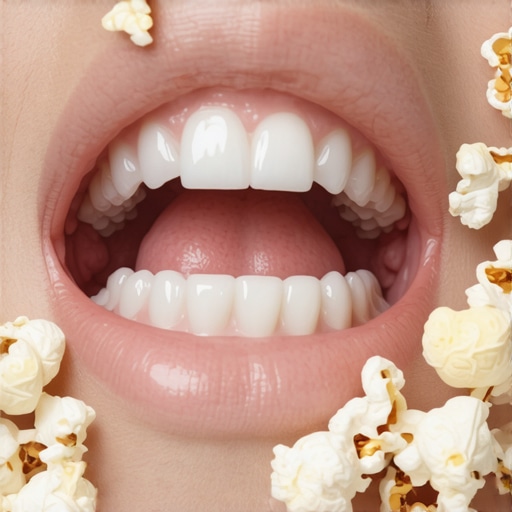
It happened to me at the worst moment — I was just about to head out for a special dinner when I bit down and suddenly felt that annoying, gritty sensation in my tooth. Like a piece of popcorn? More like a stubborn pebble stuck in a tiny crevice, refusing to budge. That feeling drives many of us crazy, leaving us questioning if something’s wrong or if we’re imagining it. Honestly, I remember sitting there, frustrated and a little worried, wondering if my new filling had somehow failed.
Feeling Like There’s Popcorn in Your Tooth? You’re Not Alone
Many people experience a strange, persistent sensation after getting dental restorations like fillings or crowns. It’s surprisingly common, and it can be downright distracting. The sensation often feels like a tiny grain or piece caught in your tooth, making you want to constantly poke or floss at it. But what causes this weird feeling?
The truth is, it’s usually related to the way the filling or crown interacts with your bite, your oral tissue, or even the materials used. Sometimes, the filling isn’t perfectly flush with the tooth surface, creating a tiny gap where debris can lodge. Other times, your tongue or chewing habits may shift the material slightly, causing the sensation.
From personal experience, I learned that this isn’t necessarily a sign that your restoration has failed. Instead, it’s often a small, fixable issue that you can address with the right techniques and patience. And believe me, resolving it is much easier than you think.
So, if you’ve been battling that popcorn-like feeling, don’t jump to conclusions. I promise, there’s a way to smooth out that rough feeling and get back to enjoying your meals—and your peace of mind.
Why Is This Feeling So Persistent and Annoying?
Early on, I made the mistake of ignoring the sensation, thinking it would just go away. Instead, I found that the longer I left it, the more uncomfortable it became. Ignoring minor issues can sometimes lead to bigger problems, especially if debris or plaque accumulate in tiny gaps. But before you panic, know that most of these issues are manageable with simple adjustments.
Interested in learning how to fix this popcorn feeling once and for all? Let’s dive into the practical steps that helped me and countless others eliminate this uncomfortable sensation from their smiles.
Check Your Bite and Tooth Surface
Start by examining your bite; if your filling or crown isn’t perfectly aligned, it can cause trapping of debris. I remember feeling around my molar with a clean finger—gently pressing to identify high spots or uneven areas. Use a dental mirror and a good light to inspect your restoration. If you notice a rough edge or a small bump, this could be the culprit. Grab a fine-grit dental file or an emery board, which you might find in your medicine cabinet, and gently smooth down the irregular spot, being cautious not to overdo it. This tactic resembles filing down a rough edge on a piece of jewelry to prevent catching. Remember, if you’re unsure, consult your dentist before making adjustments, because improperly filing can cause more issues. For more insights on restorations and their impact on oral health, visit this resource.
Floss with Precision and Patience
Next, methodically floss around the affected tooth. Use a gentle sawing motion rather than snapping the floss forcefully—think of it like untying a stubborn knot carefully. I once got frustrated trying to dislodge debris and ended up flossing more gently, which paradoxically worked better. Ensure you slide the floss into the contact point between your tooth and the restoration, then gently curve it around the tooth to clean beneath the gumline. This approach can dislodge trapped particles that cause the popcorn sensation. Remember, regular flossing isn’t just for cleaning; it helps identify areas where debris accumulates. If your gums bleed or the sensation persists, schedule a visit because persistent discomfort might need professional attention. Proper flossing techniques can be lifesavers, especially following new restorations, as explained in detail at this article.
Adjust Your Eating Habits Carefully
Be mindful of your diet post-restoration. Hard or sticky foods can aggravate misalignments or dislodge imperfect fillings. I avoided crunchy snacks and opted for softer options like yogurt or scrambled eggs. Think of your mouth as a delicate construction site—every bite counts. Chew slowly and evenly on both sides to prevent applying uneven pressure on the restoration. For example, I learned this when biting into an apple after my crown was placed; applying too much force on one side caused discomfort and that familiar popcorn feeling. If you notice persistent sensation after eating, it could indicate the need for a professional adjustment. For ongoing updates on how diet influences oral health, check this guide.
Prioritize Professional Evaluation
If the popcorn sensation persists despite your efforts, do not hesitate to visit your dentist. Sometimes, tiny gaps or high spots require professional polishing or re-cementing. I recall a time I tried multiple home remedies before booking an appointment; the feeling lingered, and I realized only a professional could resolve it permanently. During the appointment, the dentist will carefully check your restoration, adjust the bite, and ensure there are no underlying issues. Remember, ignoring persistent sensations can lead to more complex problems like plaque buildup or secondary decay, which threaten your long-term oral health. Regular check-ups and proper maintenance are key to preventing recurring issues—more about this can be found at this comprehensive guide.When it comes to orthodontic treatments like Invisalign, many assume they are a perfect, foolproof solution for aligning teeth. However, misconceptions abound, especially regarding their effectiveness and limitations. For example, some believe Invisalign can address all orthodontic issues, but in reality, complex cases with significant bite discrepancies often require traditional braces or surgical interventions. This misunderstanding can lead to delayed treatment plans or unmet expectations. For crowns, a prevalent myth is that they are purely cosmetic; in truth, modern crowns serve as vital restorations that protect compromised teeth and preserve oral functions. Failing to recognize their restorative role can result in neglecting underlying issues that need professional attention. In family dentistry, a common misconception is that regular brushing and flossing alone can prevent all dental problems. While essential, these habits must be complemented by routine check-ups and professional cleanings to catch hidden issues early, especially in children whose teeth are still developing.
A critical nuance often overlooked is the importance of choosing the right dental professional for specialized procedures. For instance, expertise matters significantly when selecting a crown specialist. A poorly fitted crown not only fails aesthetically but can also cause misalignment and secondary decay. Similarly, many underestimate the limitations of Invisalign technology; it is not a one-size-fits-all solution. As discussed in this article, understanding the nuances of treatment cases can save you time and money, and lead to more predictable results.
Another pitfall is neglecting the human element in family dentistry. While technology has advanced, personalized care and tailored oral health strategies are what truly drive long-term benefits. Routine visits allow your dentist to detect early signs of decay or structural issues that are invisible to the untrained eye. For families, fostering an environment that values continual professional guidance ensures children develop healthy habits early and maintain them into adulthood.
Remember, misconceptions can lead to inadequate care, so seeking expert advice and staying informed about the nuances of dental treatments is essential. If you’re unsure about the best options for your or your family’s oral health, consult your trusted dentist. For insight into how to choose the right professional, explore this guide.
Have you ever fallen into this trap? Let me know in the comments.Maintaining your dental restorations and overall oral health requires more than just regular brushing and flossing; it calls for the right tools and routines tailored to your needs. One essential tool I personally rely on is an interdental brush, such as the TePe Interdental Brushes. Unlike standard floss, these small brushes can easily clean around crowns, bridges, and dental implants — areas that traditional floss might miss. Using them daily has significantly reduced plaque buildup and prevented complications with my restorations. For more comprehensive guidance on preserving crowns, check this detailed article.
Lessons I Wish I Learned Sooner About Smile Restoration
One critical insight I’ve uncovered is that not all dental restorations are created equal; choosing an experienced professional can significantly influence the longevity and comfort of your crown or Invisalign treatment. I once overlooked the importance of detailed consultation, only to find myself needing adjustments later—proving that investing time in understanding your options upfront saves hassle later. Additionally, I realized that small habits, like careful biting and diligent cleaning, dramatically extend the lifespan of your restorations and prevent future issues. Finally, embracing ongoing education about dental materials and technological advances empowers you to make informed decisions that align with your lifestyle and health goals.
Tools and Knowledge That Transformed My Confidence in Oral Health
For the best outcomes, I rely on trusted resources like this comprehensive guide which explains how crowns protect damaged teeth and enhance smile durability. I also recommend reading this article to understand the true capabilities and limitations of Invisalign, avoiding misconceptions. When selecting a provider, the advice at this page helped me identify the right specialist for my case. Lastly, staying updated through well-regarded family dentistry blogs ensures I am informed about new techniques and materials, making my dental journey smoother and more successful.
Take Charge of Your Smile’s Future Today
Your oral health journey is uniquely yours, and armed with the right knowledge, tools, and professional guidance, you can achieve a confident, radiant smile that lasts. Remember, proactive care and continuous learning are your best allies in maintaining optimal dental well-being. Don’t wait for minor issues to become major concerns—embrace the next step toward a healthier, happier you now.