
Why Your Old Metal Fillings Might Be Cracking Your Teeth
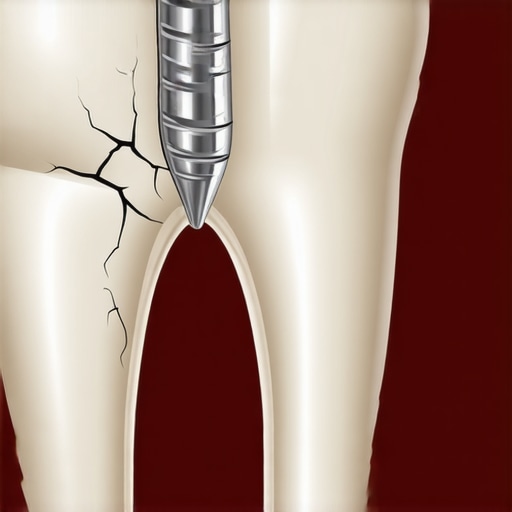
It was a morning like any other, until I bit down on my favorite apple and felt that sudden, sharp ping in my tooth. That freezing, dull ache that comes out of nowhere—it’s enough to make anyone panic. I remember thinking, “Is this a cavity? Or worse, is my old filling cracking?” That moment opened my eyes to a hidden vulnerability many folks overlook: the potential danger lurking in aged metal fillings.
Why Old Metal Fillings Might Be Causing More Harm Than You Think
For years, I trusted those silver amalgam fillings because they seemed durable and inexpensive. But over time, I noticed small cracks forming around some of them—tiny lines nobody pointed out, until one day, pain struck. It turns out, these older fillings can develop micro-cracks that eventually lead to bigger problems like tooth fractures or infections. In fact, studies show that metal fillings can expand and contract with temperature changes, putting stress on the surrounding tooth structure, which can cause cracks and even breakage (source: Family Dentist Pro).
Early on, I made the mistake of ignoring those tiny cracks, thinking they were harmless. But that was a costly oversight. A cracked filling doesn’t just threaten the integrity of your tooth; it can also harbor bacteria and lead to decay underneath. If you’re feeling sensitivity or noticing tiny lines on old fillings, it’s a sign you may need to get them checked sooner rather than later.
So, why does this happen? Metals expand and contract with temperature swings—think cold drinks or hot coffee—and over years, this constant movement creates stress points. These stress points can develop into cracks, which may deepen and compromise your tooth’s strength. The good news is that modern dental materials and techniques offer safer, long-lasting alternatives, like ceramic crowns, which I’ll talk about later.
Have you ever experienced a sudden, sharp pain in a tooth with an old filling? If so, you’re not alone—and it might be time to schedule a visit with your dentist. Understanding the risks now can save you from more extensive (and expensive) repairs down the line. Want to learn how to protect your smile and avoid future cracks? Keep reading!
Identify Early Warning Signs and Take Immediate Action
First, perform a monthly visual check of your old fillings. Use a mirror and bright light to look for small cracks or tiny lines around your fillings. When I spotted a tiny fissure in my own filling, I immediately scheduled an appointment with my dentist—waiting can lead to bigger, more costly damage. Recognizing these signs early makes all the difference in preventing further deterioration.
Schedule Regular Dental Check-Ups
Consistent visits—at least twice a year—are your best defense. During these check-ups, your dentist will use magnification tools to spot micro-cracks that you might miss. Think of it as routine maintenance for your car; neglecting it can result in costly breakdowns. For families, this proactive approach ensures everyone’s dental health stays in top shape, aligning with recent family dentistry trends.
Prioritize Replacing Old, Damaged Fillings
Old amalgam fillings become brittle over time, similar to an aging bridge that weakens. When cracks develop, your dentist can replace them with more durable materials like ceramic crowns or composite resin. In my own experience, opting for a crown significantly strengthened my tooth, reducing the risk of future cracks. Visit this guide for advice on selecting the best crowns.
Consider Modern Restorative Options
Modern materials like ceramic or zirconia offer a closer match to natural teeth and better withstand temperature changes that cause metal expansions—similar to the way quality tires balance road shocks better. For example, switching to ceramic crowns eliminated the micro-movements that previously caused my fillings to crack. Ask your dentist about the latest advancements, which can also include options like Invisalign for orthodontic needs, reducing bite-related stress that led to cracks.
Modify Your Habits to Reduce Stress on Teeth
Identify habits that put undue pressure on your teeth, such as teeth grinding or chewing ice. Think of your teeth like glassware—if you expose them to sudden impacts or stress, they’re more likely to chip or crack. Using a mouthguard during sleep can absorb the brunt of grinding forces. To explore effective solutions, visit this article.
Opt for Tooth-Friendly Lifestyle Choices
Diet plays a critical role. Limiting acidic foods and drinks, similar to protecting a delicate sculpture from erosion, helps preserve enamel integrity. Also, avoid overly hard foods that can cause immediate cracks—think of them as bolts that could shatter your ceramic vase if too tight. Incorporate foods rich in calcium and phosphate to strengthen your teeth naturally, supporting your efforts in maintaining a resilient smile.
Seek Expert Advice for Long-Term Solutions
When in doubt, consulting a professional is key. They can assess the structural integrity of your teeth and recommend advanced treatments like custom crowns or even Invisalign to correct bite issues that contribute to cracking. For personalized guidance, visit this resource on maintaining bright, healthy smiles across your family.
Many individuals assume that routine brushing and flossing are sufficient to maintain optimal oral health, but this oversimplification can lead to overlooked nuances affecting long-term dental success. For instance, a common myth is that all dental restorations, like crowns, last forever. In reality, without proper care, even the most durable materials can fail prematurely; understanding the specific properties of crowns, such as how ceramic withstands temperature changes, helps in maintaining them longer. Additionally, many believe Invisalign is only for minor teeth adjustments, yet advanced cases require meticulous planning and understanding of bite dynamics—an area where even experienced orthodontists excel. A critical mistake I see is neglecting periodic evaluations; micro-cracks or subtle wear can develop unnoticed, leading to costly repairs. This is especially true for those with old amalgam fillings who assume they are immune to deterioration, but metal can expand and contract, causing hidden cracks over time. Professionals warn that failing to address these issues early often results in infections or tooth loss. Moreover, many underestimate the importance of temporomandibular joint (TMJ) health, assuming orthodontic treatments won’t impact jaw function. However, misaligned bites can contribute to TMJ disorders, often mistaken for other issues. Interestingly, some over-rely on DIY whitening kits without consulting dental experts, risking enamel damage—research from the Journal of the American Dental Association highlights the dangers of improper whitening procedures. To avoid these pitfalls, regular professional check-ups are vital; your dentist can identify hidden problems before they escalate. Also, educating yourself about modern materials—like zirconia crowns and clear aligners—can empower better choices for your unique needs. Advanced techniques, such as digital smile design, enable personalized and more predictable results. Have you ever fallen into this trap of oversimplification? Let me know in the comments. Remember, understanding these nuances ensures your oral health remains resilient and your smile remains radiant.
Investing in the Right Tools
Maintaining your oral health requires more than just good habits; it demands reliable, high-quality tools that support your daily routine. Personally, I swear by my electric toothbrush, the Oral-B Genius Pro 8000, which features oscillating movements proven to remove plaque more effectively than manual brushes. Its built-in timers ensure I brush for the dentist-recommended two minutes, and the pressure sensors prevent over-brushing that can damage enamel and gums.
Complementing my toothbrush, I use Waterpik Aquarius Flosser to clean interdental spaces—areas where traditional floss often misses. This tool has significantly reduced my gum bleeding episodes, especially during allergy seasons when gums tend to be more sensitive. For those with dental restorations like crowns or implants, this additional cleaning power helps prevent plaque accumulation and extends the lifespan of your restorations.
How do I maintain my tools over time?
Proper maintenance of your dental tools is crucial for long-term effectiveness. For electric brushes, I replace the brush heads every three months to maintain optimal cleaning efficiency, a practice supported by the American Dental Association. Periodically, I soak the brush head in a denture cleaner to eliminate bacteria. Similarly, I clean my Waterpik tip with warm, soapy water after each use and replace the tip every year to prevent bacterial buildup. Regularly checking your tools ensures they perform at their best, preventing unnecessary wear or failure.
Embracing Modern Technology for Better Results
Advances in dental technology are shaping the future of family dentistry. Smart toothbrushes now sync with smartphone apps, providing real-time feedback on your brushing habits. I recommend trying the Philips Sonicare DiamondClean Smart, which tracks your brushing behaviors and offers personalized coaching. This data-driven approach helps identify habits that may be damaging your enamel or gums, allowing you to adjust proactively.
Another promising development is AI-powered dental analysis software, which can pre-screen images of your oral cavity, flagging potential issues before they become serious. While still emerging, these tools promise to make preventive dental care more accessible and cost-effective, especially for busy families looking to stay ahead of oral health problems.
Where is this heading in the future?
As telehealth and digital diagnostics continue to evolve, I foresee a future where routine oral health monitoring happens seamlessly through connected devices, with your dentist providing ongoing advice remotely. This trend will likely reduce the need for frequent in-office visits, focusing instead on early detection and personalized care plans.
Try This Advanced Tip Today
If you want immediate improvement, invest in a disclosing tablet to visualize plaque buildup. After brushing, the tablet stains areas you might have missed, offering a clear visual cue to target these spots more thoroughly. Incorporate this tip into your routine and experience the difference firsthand. For more expert advice, check out this guide on crowns for long-lasting restorations—integrating proper tools and maintenance practices can truly transform your oral health journey.
The Hardest Lesson I Learned About Dental Care
One of the most profound insights I gained was realizing that even seemingly small issues with old fillings can escalate into significant problems if ignored. Waiting for symptoms often means harder, more expensive solutions later. I learned to trust my instincts and schedule check-ups whenever I noticed tiny cracks or sensitivity—because prevention truly surpasses cure.
How My Favorite Tools Transformed My Oral Routine
Switching to high-quality, modern dental tools like an electric toothbrush and interdental flosser made a dramatic difference in my oral health. These tools, combined with regular replacement and cleaning, ensure I stay ahead of plaque buildup and avoid unnecessary wear on restorations. They’re small investments that offer substantial long-term benefits, especially when dealing with fragile or recently repaired teeth.
The Future of Smile Care Excites Me
Advances like AI-driven diagnostics and smart toothbrushes are revolutionizing how we approach family dentistry. They empower us to take control of our dental health and catch issues before they become painful or costly. Embracing these innovations can make your journey toward a stronger, healthier smile both efficient and enjoyable, inspiring confidence in your daily routines.