
Why your porcelain crown looks darker than your other teeth
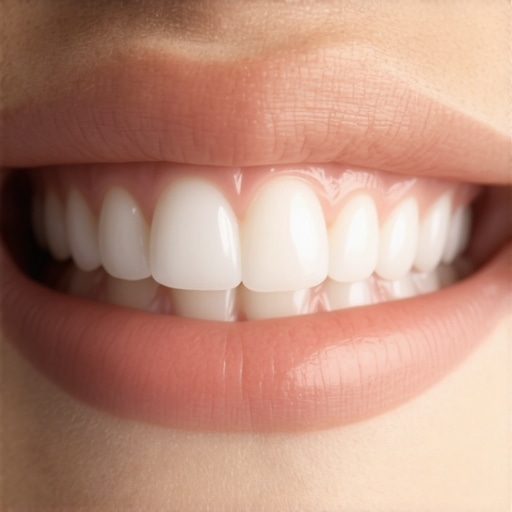
I still remember the morning I looked in the mirror and saw it—the unmistakable darker shade of my porcelain crown standing out against my brighter natural teeth. That uneasy feeling of self-consciousness washed over me, and I wondered, “Did I do something wrong?” Turns out, I wasn’t alone in this experience. Many folks with crowns or veneers notice a similar discrepancy, and it can really shake your confidence.
The Real Issue Behind the Darker Crown
What causes this color mismatch? It’s more common than you might think. Sometimes, the crown itself just absorbs or reflects light differently, especially if it’s made from certain types of porcelain. Other times, the underlying tooth or even staining from lifestyle habits can change the way the crown appears. I learned early on that not all crowns are created equal, and a poorly matched shade can turn a perfect smile into one where your teeth look mismatched, almost like a bad dye job.
So, why does this happen? Well, several factors come into play—material choices, shade matching during placement, and even the natural aging process of your teeth. Think of it like buying a new pair of shoes that seem perfect in the store but look off when you compare them to your older sneakers. The key is understanding what to look for—and how to fix it.
Concerned About the Hype? Here’s What I Missed Early On
One mistake I made early was assuming that once the crown was in, the color would stay consistent forever. That’s not true. Over time, natural teeth can stain or shift subtly, making the crown appear darker. Also, I didn’t realize how important shade selection is during the procedure—something a skilled family dentist can absolutely improve upon. If you want to learn more about selecting the perfect shade or how different materials affect longevity and appearance, check out this comprehensive guide to crowns.
Now that we understand why crowns can look darker, let’s explore practical solutions that can restore harmony in your smile—and your confidence. Ready to dive into what you can do when your porcelain crown doesn’t quite match the rest? Keep reading, because real change is possible.
Choose the Right Materials and Shade Matching Techniques
Start by consulting with an experienced dentist who specializes in cosmetic restorations. They will select porcelain options that reflect light similarly to your natural teeth. During the shade-matching process, ensure they use natural light and multiple reference teeth for precision. I vividly recall a visit where my dentist used a natural daylight booth, which drastically improved the shade accuracy compared to standard dental lighting—resulting in a crown that blended seamlessly.
Opt for Professional Whitening of Underlying Teeth
If staining beneath the crown makes it appear darker, bleaching your natural teeth can help. Use an ADA-approved whitening kit prescribed or recommended by your dentist to lighten your natural teeth before any crown adjustments. I tried at-home whitening on my own, but it was messy and uneven—so I scheduled a professional whitening session, which provided more uniform results and improved the overall harmony.
Consider Replacing the Crown with a Custom-Designed One
If your current crown is mismatched, replacing it might be the most effective step. Work with a family dentist experienced in crown fabrication—ideally someone who uses digital shade matching and CAD/CAM technology. They will craft a crown that better matches your smile. I had a crown replaced after years of discoloration, and the difference was night and day—my smile looked natural and restored my confidence.
Refining Your Oral Hygiene Routine
Maintain the brightness of both your natural teeth and crown by practicing excellent oral hygiene. Brush twice daily with a soft-bristled brush and fluoride toothpaste, floss regularly, and use an interproximal brush for hard-to-reach areas. Avoid staining foods and drinks, like coffee or red wine, or rinse immediately after consuming them. I found that after adopting these habits, my natural teeth stayed whiter longer, minimizing the contrast with my crown.
Schedule Regular Dental Check-Ups and Adjustments
Visit your dentist at least twice a year for professional cleanings and assessments. They can recommend minor adjustments or polishing to ensure your crown remains as natural-looking as possible. During my routine check, my dentist polished the crown slightly to enhance its shine, making it look more in sync with my natural teeth—small details that make a big difference.
Implementing these steps requires consistent effort, but the payoff is a cohesive, confident smile that doesn’t draw attention to mismatched crowns. Remember, working with a skilled family dentist and using quality materials makes all the difference in achieving long-lasting, natural-looking results. For more insights on the differences between crowns and veneers, check out this comprehensive guide to crowns and veneers.
Many people believe they understand the essentials of oral health, but in reality, some widespread myths can lead to advanced mistakes that jeopardize long-term dental well-being. One such misconception is that brushing harder cleans better, but excessive force can damage gum tissue and erode enamel, increasing sensitivity and risk of recession. Instead, gentle yet thorough brushing with proper technique is far more effective. Another common myth is that all dental crowns are equally resistant to staining; however, material choices like high-quality porcelain enamel are crucial for maintaining shade harmony over time. Rushing into cosmetic solutions without understanding these nuances often results in dissatisfied outcomes.
Most folks overlook the importance of selecting a skilled family dentist who employs advanced shade-matching technologies, such as digital shade spectrophotometers. These tools prevent mismatched crowns or veneers that stand out painfully against natural teeth—something I have personally experienced and now advise diligently against. Also, many underestimate how lifestyle habits like smoking or red wine consumption accelerate staining beneath crowns, even if the surface looks pristine. Regular professional cleanings, coupled with targeted whitening, can mitigate this, but individual habits must be considered for sustainable results.
What Advanced Techniques Can Truly Maximize Your Smile?
For those seeking truly natural-looking restorations, understanding the latest innovations is vital. Digital dentistry allows precise digital impressions, enabling custom crowns that fit perfectly and reflect light seamlessly with your natural enamel. Additionally, latest composite materials now mimic natural translucency better, making crowns less detectable. Experts recommend choosing a provider who uses CAD/CAM technology to craft durable and aesthetically superior restorations. This approach not only ensures better fit and appearance but also reduces the risk of future complications, such as crown loosening or discoloration. For in-depth insights into choosing the right expert, visit this guide on crown selection.
In the realm of orthodontics, many assume Invisalign is a gentle, fail-safe solution; however, misusing the aligners or neglecting the proper fitting can cause uneven tooth movement and even damage the roots. It’s vital to follow professional instructions precisely. For those considering Invisalign, understanding the limitations and innovations—like SmartTrack technology—can make a significant difference. Read more about the myths about Invisalign to make an informed decision.
Lastly, many do not realize that regular dental visits are not just for cleanings but also for detecting subtle issues before they escalate. Dental professionals can identify early signs of gum recession, enamel erosion, or crown deterioration—problems that can be mitigated with timely intervention. Incorporating these practices leads to a sustainable, beautiful smile and avoids costly corrections down the line.
Have you ever fallen into this trap? Let me know in the comments. Remember, mastering these nuances empowers you to make smarter decisions about your oral health and cosmetic treatments, ultimately leading to lasting confidence and health.
How do I maintain my dental restorations over time?
Consistency and the right equipment are key to ensuring long-term success with crowns, Invisalign, and family dentistry routines. I swear by my annual visits with a trusted family dentist who employs digital shade-matching technology that guarantees my crowns stay seamlessly integrated and perfectly color-matched. Regular professional cleanings help prevent staining and plaque buildup, especially around crowns and braces.
For daily maintenance, I use an ultrasonic scaler—specifically the Jetpik Water Flosser. It’s a game-changer because it delivers pressurized water that reaches beyond traditional floss, cleaning hard-to-reach areas without damaging delicate gum tissue. This tool is especially effective around crowns and orthodontic appliances, where food debris can easily hide. Regularly flossing with high-quality silk or coated floss maintains the integrity of my gum line and prevents recession that could expose crown margins.
In addition, I incorporate an electric toothbrush with advanced oscillating-rotating technology—like the Oral-B Genius X. Its AI-powered brushing guidance ensures I don’t scrub too hard, preventing unnecessary wear on my natural enamel and crowns. The built-in sensors alert me if I am applying excessive pressure, which is crucial for protecting restorative work over time. For a comprehensive clean, I also include a sonic toothbrush, such as the Sonicare DiamondClean Smart, for polishing and maintaining the sheen of my natural teeth.
When it comes to whitening, I trust LED-activated whitening kits prescribed by my dentist, which are less abrasive than over-the-counter strips and help maintain a consistent brightness, even around my crowns. Pairing professional whitening with routine touch-ups helps prevent the darkening of underlying teeth, preserving the aesthetic harmony of my smile.
Looking ahead, I believe advancements like AI-driven digital impressions and smarter cleaning devices will further streamline long-term oral health management, making upkeep more efficient and effective. For now, adopting these precise tools and habits has made a measurable difference in my dental longevity.
Why invest in the right tools? Not only do they save money, but they also prevent issues before they escalate, like crown loosening or gum recession. If you’re serious about maintaining your restorations and overall oral health, I highly recommend giving the Jetpik Water Flosser a try—it’s one of the easiest ways to elevate your routine.
Lessons That Changed My Approach to Oral Care
- Trusting technology over assumptions can save your smile. Digital shade-matching and CAD/CAM systems aren’t just fancy tools—they’re game changers in achieving natural-looking results. Missing out on these innovations could mean ending up with mismatched crowns that stand out instead of blending in.
- Consistent, personalized routines trump one-size-fits-all advice. I learned that tailoring my cleaning habits, dietary choices, and regular visits made a noticeable difference in maintaining both natural teeth and restorative work, preventing unexpected surprises down the line.
- Patience is a virtue in cosmetic dentistry. Rushing into treatments without understanding material options or proper maintenance routines often led to disappointment. Taking the time to educate myself has made all the difference in the longevity of my smile.
Tools and Resources That Elevate My Dental Journey
- Digital shade spectrophotometers: I rely on these for precise shade matching, ensuring my crowns look just like natural teeth. They’re a staple in my routine because perfection is in the details.
- Professional whitening kits: Prescribed by my dentist, these help maintain the harmony between natural teeth and crowns, especially after lifestyle changes or staining foods.
- CAD/CAM crown fabrication: This technology offers a perfect fit and natural translucency, making restorations virtually indistinguishable from natural enamel.
- Invisalign Innovations guide: To stay informed about the latest in clear aligners, I consult expert resources that debunk myths and highlight the newest advancements, ensuring I make informed decisions about my orthodontic options.
Your Smile’s Future Starts Today
Embracing proactive dental habits and staying informed with cutting-edge tools empowers you to keep your smile vibrant and healthy for years to come. Remember, your commitment today shapes the confidence you’ll carry tomorrow. Take that first step—your future self will thank you!
What’s one change you’re excited to implement in your oral health routine? Share below—I’d love to hear your plans!
,