
Why your smile looks uneven in photos and what you can do about it
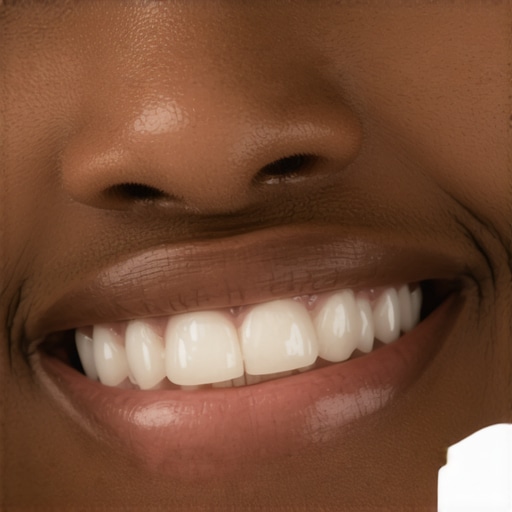
I remember the moment vividly—trying to take a candid shot with friends, only to notice my smile looked weirdly lopsided in the photo. It wasn’t just a fleeting awkwardness; it became a recurring frustration. No matter how much I smiled, one side seemed to flare up or droop slightly, making me wonder if I was just imagining things. That lightbulb moment hit me hard: my smile wasn’t perfectly symmetrical, and it was impacting my photos—and honestly, my confidence.
Discovering the Root of an Uneven Smile
This isn’t uncommon. Many people look at their photos and feel their smiles aren’t quite right. But why does this happen? Often, it’s not that your teeth are crooked or your smile is broken—it could be a matter of how your muscles and jawline work together. Over time, habits like favoring one side when sleeping or chewing can create uneven muscle development, subtly pulling your face out of alignment. Additionally, factors like dental restorations, crowns, or orthodontic treatments can influence how you smile, especially if they’re not perfectly matched or positioned.
Back when I first started exploring solutions, I made a crucial mistake: I assumed cosmetic fixes alone would do the trick. I skipped consulting a professional and ended up with temporary, ineffective remedies. That’s why I stress the importance of understanding the underlying causes first. If you’re tired of awkward smiles in photos or feeling self-conscious about inconsistent results, then you’re in the right place. Today, I’ll guide you through proven strategies to enhance your smile, many rooted in simple lifestyle adjustments and professional treatments that could change your picture game forever.
Does Fixing My Smile Mean Big Procedures?
Before we dive into solutions, I want to address a common skepticism: “Will fixing my uneven smile require invasive procedures or a complete overhaul?” Rest assured, not necessarily. Advances in family dentistry, like crowns and Invisalign, allow for effective, minimally invasive corrections. For instance, crowns can restore symmetry if you have uneven wear or damage, and Invisalign can subtly straighten teeth that throw off your overall appearance. If you’re curious about these options, check out this comprehensive guide to crowns for more details.
Looking back, one of my early mistakes was neglecting to consider muscle habits and minor alignment issues that, collectively, caused my facial asymmetry. Consulting a professional early on would have saved me months of frustration—so I highly recommend seeking advice from an experienced family dentist who can tailor a plan suitable for you. Is your smile less confident in photos? Do you avoid smiling in pictures because of how it looks? Let’s explore practical, achievable steps to change that for good.
Assess Your Current Smile and Facial Structure
Start by observing your smile in photos and mirrors. Notice which side appears less lively or slightly drooped. Record your observations over a few days to identify patterns. Taking selfies from different angles helps you understand asymmetries better. A visit to a family dentist can also provide professional insight into underlying muscle imbalances or dental issues affecting your smile.
Optimize Your Oral Habits and Muscle Use
Habits like favoring one side while chewing or resting your face can create muscle imbalance. To correct this, consciously practice chewing evenly on both sides and avoiding resting your chin on your hand. Simple exercises, such as side-to-side jaw stretches, can strengthen weaker muscles. Think of your facial muscles like a pair of scales; balancing activity on both sides promotes symmetry.
Incorporate Jaw and Face Exercises
Targeted exercises can re-educate muscles for better coordination. For example, try gently resisted movements, like pressing your palm against your jaw while opening and closing your mouth. Consistency is key—perform these exercises daily for a few minutes. These routines act like physical therapy for your face, gradually realigning muscle activity for a more balanced smile.
Explore Cosmetic and Dental Corrections
If muscle adjustments aren’t enough, dental solutions like crowns or Invisalign can help. Think of crowns as customizable caps that fit over your teeth, restoring shape and size for harmony. Invisalign uses clear aligners to gently reposition teeth, much like guiding a fleet of tiny ships into alignment. When considering these options, consult a family dentist experienced in both techniques. Their professional advice ensures you choose the treatment best suited to your needs—more details can be found in this comprehensive guide to crowns.
Seek Professional Guidance and Personalized Plans
Schedule a consultation to evaluate muscle balance, dental alignment, and overall facial symmetry. A skilled family dentist will perform a thorough exam, possibly including imaging, to identify issues that aren’t visible to the eye. They can create a tailored plan combining lifestyle changes, exercises, and professional treatments. This approach is akin to assembling a team of specialists to craft a bespoke solution for your smile.
Maintain Your Progress and Prevent Future Imbalances
Consistency in daily exercises, good oral habits, and regular dental check-ups are essential. Make it a habit to drink plenty of water, avoid excessive mouth clenching, and practice mindful smiling. Over time, these small steps contribute to sustained facial symmetry, boosting confidence in your photos and daily interactions.
When it comes to dental treatments like crowns or Invisalign, many people operate under misconceptions that can lead to costly mistakes or unmet expectations. Let’s challenge some of the most widespread beliefs and shed light on nuanced realities that even experienced patients often overlook. Have you ever fallen into this trap? Let me know in the comments.
Why choosing the cheapest crown isn’t always the best move
Many assume that the most affordable crown will serve them well long-term. However, this overlooks the importance of material quality and customization. Low-cost crowns made of inferior materials tend to stain, chip, or wear out faster, ultimately forcing you to replace them sooner and spend more money. Professional guidance, like consulting advice for selecting durable crowns, can save you from this common pitfall. Remember, long-lasting oral health depends on quality, not just cost.
Believing that oral health is solely about brushing and flossing
While good brushing habits are fundamental, focusing exclusively on daily hygiene can give a false sense of security. Hidden issues like gum disease or Early decay require professional evaluations and sometimes advanced diagnostics. For example, minimal gum recession or early cavities may not be noticeable without proper examination. Regular visits to a family dentist ensure these subtleties are caught early, preventing costly interventions later. To see how modern techniques enhance diagnosis and preventive care, explore the latest in family dentistry.
Invisalign myths: It’s just about straightening teeth
Many see Invisalign as solely a cosmetic solution, but its benefits extend far beyond aesthetics. It can improve bite function, reduce uneven wear, and even help alleviate jaw pain caused by misalignment. However, misconceptions persist that Invisalign is only for minor corrections or that it’s less effective than traditional braces. The truth is, when properly guided by an experienced provider, like those discussed here, Invisalign can address complex cases. Advances in aligner technology have made it a versatile option, with the added advantage of removable convenience.»,
Staying Ahead with the Right Tools for Long-Term Oral Health
Maintaining dental restorations like crowns or Invisalign aligners requires more than just regular brushing. It involves using specialized tools designed to ensure durability and comfort. Personally, I swear by a sonic toothbrush like the Philips Sonicare DiamondClean, which delivers 62,000 brush strokes per minute, effectively disrupting plaque without damaging delicate surfaces. Its timer feature helps me stick to the recommended two-minute brushing habit, optimizing cleaning without overdoing it. For cleaning aligners, I recommend the Invisalign cleaning crystals—they are gentle yet effective, preventing buildup and maintaining clarity that constantly boosts my confidence.
Tools That Make a Difference
When it comes to crowns, I always use floss threaders with waxed floss to thoroughly clean around the margins, preventing decay under the restoration. For daily hygiene, I incorporate interdental brushes like GUM Soft-Picks, which are perfect for reaching tight spaces between crowns and natural teeth, reducing the risk of gum disease. Additionally, a water flosser, such as the Waterpik Aquarius, is a game-changer. It’s especially helpful for cleaning around dental implants and orthodontic devices, where traditional flossing can be challenging. These tools complement the routine effectively, extending the lifespan of your dental work.
Routine Maintenance Strategies
Beyond tools, consistent routines are essential. I schedule semi-annual professional cleanings, which are crucial for removing tartar buildup that brushing alone can’t eliminate. During these visits, my dentist checks the integrity of crowns and the position of Invisalign trays, catching potential issues early. Regular check-ups also provide an opportunity to receive personalized advice tailored to evolving oral changes, ensuring your maintenance plan adapts over time. Remember, even high-quality crowns or Invisalign treatments benefit from vigilant care.
How do I maintain my dental work over time?
Long-term success hinges on integrating advanced techniques into your daily habits. For instance, incorporating a fluoride rinse after brushing adds extra protection against decay, especially around gaps and margins of crowns. When it comes to Invisalign, I recommend using a soft-bristled toothbrush and cleaning your aligners with a gentle, non-abrasive solution regularly. Advanced tools like ultrasonic cleaners can even be combined with commercial cleaning tablets—these remove hidden bacteria and debris more effectively than manual cleaning alone. Investing in quality tools and routine professional evaluations keeps your restorations functioning optimally and helps prevent costly repairs down the line. For more insights on crown longevity and care, visit this comprehensive crown guide. If you’re curious about selecting the best tools suited for your needs, a consultation at our practice can set you on the path to a healthier, more confident smile.
What I Wish I Knew Before Fixing My Smile
One of the most eye-opening lessons I learned was that achieving a balanced smile isn’t just about quick fixes; it’s about understanding how our facial muscles and habits influence our appearance. I underestimated the role of muscle imbalances, which, when left unchecked, could undo cosmetic efforts over time. Discovering the importance of facial exercises and lifestyle adjustments made me realize that small daily habits can be game-changers for long-term results.
Another deep insight was realizing that not all dental restorations are created equal. Going for the cheapest crown might seem tempting, but investing in quality materials and professional guidance ensures durability and natural appearance. This approach saved me from future frustrations and costly replacements, highlighting the value of choosing long-lasting solutions that truly support my oral health and confidence.
Finally, I uncovered how modern cosmetic and orthodontic options like Invisalign can do much more than straighten teeth—they improve function, reduce uneven wear, and even ease jaw tension. Knowing these benefits helped me make informed decisions tailored to my needs, rather than relying solely on appearances. Embracing a comprehensive view of dental health transformed my approach from reactive to proactive, truly elevating my smile’s health and beauty.
My Tool Arsenal for a Better Smile
Over the years, I’ve found that the right tools make all the difference. I trust a sonic toothbrush like the Philips Sonicare DiamondClean because it effectively cleans without damaging delicate restorations, helping my crowns last longer. For aligner maintenance, Invisalign cleaning crystals have been invaluable—they keep my trays transparent and bacteria-free, ensuring optimal comfort and hygiene. Interdental brushes such as GUM Soft-Picks help me reach tricky spots around crowns, preventing plaque buildup and future issues.
Additionally, a water flosser, like the Waterpik Aquarius, has been a revelation. It’s fantastic for cleaning around dental implants and in between teeth, especially when traditional flossing feels cumbersome. Regular use of these tools, combined with professional check-ups, ensures my dental work remains healthy, functional, and beautiful. They’re not just tools—they’re investing in my confidence and peace of mind every day.
Keep Moving Forward with Confidence
Your journey toward a radiant, confident smile is ongoing. Remember, small consistent steps like practicing facial exercises, maintaining excellent oral habits, and seeking personalized professional advice create powerful ripple effects over time. Choosing quality over shortcuts not only preserves your investment but also boosts your self-assurance in photos and daily life. The future of oral health is on your side—embrace it, and watch your smile flourish.
What has been your biggest surprise in navigating dental restorations or smile enhancements? Share your story below—I’d love to hear how your experiences have shaped your confidence and understanding of oral health.