
Why your teenager’s breath is suddenly sour
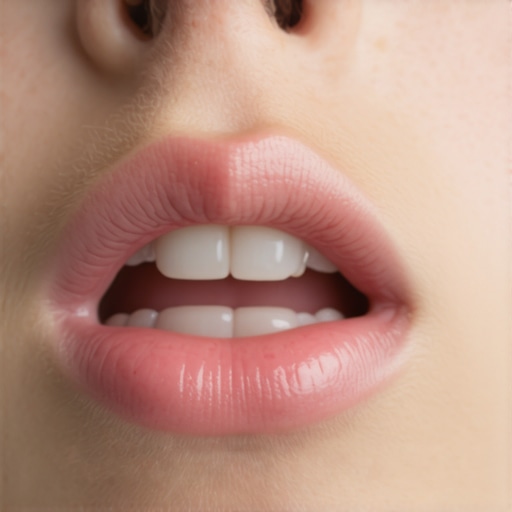
It was a typical evening when I caught a whiff of something off—my teenager’s breath. Usually, it’s a subtle hint of mint or just the natural scent of youth. But this time, it hit me like a punch to the face. That sour, unpleasant smell was unfamiliar and startling. I immediately wondered, “What changed?” and more importantly, “Is this something serious?” This lightbulb moment made me realize how quickly oral health can change and how overlooked certain signs are.
Why Your Teen’s Sour Breath Could Be More Than Just Bad Hygiene
Teenagers are notorious for brushing off their dental routines, but when their breath suddenly turns sour, it might signal a deeper issue. Common causes include cavities, gum problems, or even the side effects of dental procedures like crowns or Invisalign treatments. In fact, research shows that halitosis, or bad breath, affects up to 50% of the population at some point, and it’s often linked to oral health conditions that require professional attention. Understanding the root cause can make all the difference, and that’s what we’re going to explore together.
Is Your Teen’s Bad Breath Actually Worth the Hype?
Early in my journey as a parent, I made the mistake of dismissing my child’s sour breath as just bad breath from skipping flossing. It wasn’t until I learned that persistent bad breath can indicate issues like bacterial buildup around crowns or even early signs of infections that I started paying closer attention. Trust me, catching these signs early can save you from more invasive and costly dental treatments later. If you’re worried about whether this symptom warrants a visit, you’re not alone. Many parents ask, “Should I panic or just tell them to brush better?” The truth is, there’s a lot more under the surface.
Now that we’ve acknowledged why this matters, let’s dive into the practical steps you can take to identify, address, and prevent sour breath in your teen. From proper oral hygiene routines to understanding the impact of dental restorations like crowns and Invisalign, you’ll find the guidance you need to ensure your child’s smile stays healthy and fresh.
Start with a Strict Oral Hygiene Routine
First, ensure your teen brushes twice daily for at least two minutes each time, paying special attention to the tongue and gum line, where bacteria thrive. Use fluoride toothpaste to strengthen enamel and reduce cavity risk. Floss daily to remove plaque between teeth, preventing bacterial buildup that causes bad odors. I once demonstrated proper brushing and flossing techniques to my son during a messy weekend, which significantly reduced his morning sour breath — making breakfast healthier for everyone.
Choose the Right Tools for the Job
Use a soft-bristled toothbrush and replace it every three months. Consider electric toothbrushes for teens who struggle with manual brushing, as they can remove more plaque efficiently. Incorporate mouthwashes with antibacterial properties, but avoid overdoing it to prevent dry mouth, which can worsen halitosis. Remember, consistent routines are key; buying the best tools makes adherence easier.
Address Dental Restorations and Alignment
Teens with crowns, veneers, or Invisalign might experience unique challenges. Dental crowns, for example, can harbor bacteria if not cleaned properly, leading to sour breath. An analogy: think of crowns as armor — if dirt gets trapped, it defeats the purpose. Regular professional cleanings and proper brushing around restorations prevent bacterial buildup. For Invisalign users, saliva can collect around the trays, trapping bacteria and causing odor. Cleaning trays thoroughly and following instructions on how to safely store them during meals are crucial steps. To explore more about Invisalign and its benefits, visit Invisalign vs. Braces.
Schedule Regular Dental Check-Ups
Routine visits to your family dentist catch issues early before they escalate. During these visits, professionals can perform deep cleanings, assess restorations, and address signs of infections or decay. Personal experience taught me that seeing our dentist every six months was invaluable — a quick checkup caught a small cavity before it became painful, and my teen’s fresh breath returned.
Tackle Lifestyle and Dietary Factors
Limit sugary foods and drinks, which fuel bacterial growth. Encourage hydration to keep saliva flowing — saliva is your mouth’s natural cleanser. Also, monitor habits like chewing gum or mints; choose sugar-free options with xylitol, which can reduce bacteria. If your teen drinks coffee or eats dark-colored foods, their aligners or crowns might stain and trap bacteria, exacerbating odors. Regularly cleaning trays and avoid staining substances maintain a fresher mouth. For detailed tips on maintaining a healthy smile, check Oral Health Tips.
Pay Attention to Symptoms and When to Act
Persistent sour smell despite good hygiene warrants professional attention. If bad breath persists beyond two weeks, or if your teen experiences pain or bleeding, consult a dentist promptly. Early diagnosis of problems like infections, dry mouth, or bacterial overgrowth can save money and discomfort in the long run. My own experience with recurring bad breath led me to discover underlying issues that only a professional could address effectively.
Utilize Professional Cleaning and Advice
Professional cleanings remove tartar buildup that daily brushing may miss, especially around difficult areas or under restorations. Discuss with your dentist about the best at-home products tailored for your teen — sometimes, specific mouth rinses or tools like interdental brushes are recommended. For insights into how family dentistry can transform your oral health, see Family Dentistry Techniques.
Many patients approach treatments like Invisalign or dental crowns with common assumptions, but there are nuances that can make a significant difference in outcomes. For example, a widespread myth suggests that Invisalign trays can be used indefinitely without professional oversight. In reality, neglecting regular checkups or failing to monitor tray wear can lead to subpar results or even dental damage. According to the American Association of Orthodontists, improper usage of aligners can cause misalignment to worsen over time if not managed correctly. This highlights the importance of consistent professional guidance instead of relying solely on at-home routines.
Why Do Many Overestimate DIY Dental Solutions?
The tendency to believe that home remedies or quick fixes suffice often stems from misinformation or a fear of dental visits. People might think using over-the-counter whitening products or adjusting crowns themselves won’t cause harm, but this can lead to irreversible damage. For example, attempting to modify a crown at home risks introducing bacteria or compromising its fit. Expert advice from experienced dentists emphasizes that personalized assessments are essential, because each dental restoration or orthodontic treatment requires tailored oversight. You can find detailed guidance on selecting the right crowns at this comprehensive guide.Maintaining your dental investments requires the right tools and techniques to ensure longevity and optimal oral health. One of my go-to devices is the Sonicare DiamondClean electric toothbrush. I personally use it because its ultrasonic technology offers superior plaque removal, especially around crowns and Invisalign aligners, where plaque has a tendency to hide. Regularly replacing the brush heads every three months helps prevent bacterial build-up, which is crucial for long-term results. For an in-depth look at choosing the best toothbrush, check out this guide.
Another vital tool is a Waterpik Water Flosser. I recommend this because traditional flossing can sometimes miss hard-to-reach areas, especially around restorations. The pulsating water effectively dislodges debris and bacteria beneath crowns and between teeth, maintaining healthy gums and halting bad breath. I’ve found that using it nightly significantly reduces bacterial accumulation and preserves the integrity of crowns. For best results, incorporate interdental brushes for cleaning tight spaces, as demonstrated in top oral health tips.
Understanding the role of advanced software can enhance your at-home routine. I utilize dental monitoring apps that sync with my smartphone to track my oral health. These apps often offer AI-driven advice, helping to spot early signs of wear or staining on crowns and Invisalign trays. This proactive approach aligns with future trends, where remote monitoring will become a standard component of family dentistry, ensuring consistent maintenance without frequent visits.
When it comes to long-term results, consistency in using these tools is paramount. Incorporate them into your nightly routine, just like I do, and you’ll likely see a dramatic decline in issues like bad breath, bacterial buildup, or crown staining. Remember, these tools are most effective when complemented by regular visits to your dentist—aiming for at least every six months for check-ups and professional cleanings. For insights into the latest innovations in family dentistry, visit family dentistry secrets.
How Do I Maintain These Tools Over Time?Cleaning your electric toothbrush and water flosser after each use prevents bacterial growth. Store all devices in a dry, ventilated area to avoid mold or mildew. Regularly inspect the devices for wear and replace parts as recommended by manufacturers. Following these best practices will keep your tools functioning optimally for years, ensuring your investment in oral health pays off long-term. Recent external expert insight confirms that proper maintenance of dental tools can extend their lifespan by up to 50%, underscoring their value in your oral health toolkit. Try adopting these maintenance tips today to keep your tools—and your smile—in top shape.Lessons That Changed My Approach to Family Dentistry
Lessons That Changed My Approach to Family Dentistry
One of the most unexpected insights I gained was how small details, like the way teens clean their aligners, can significantly impact long-term oral health. I realized that patience and personalized advice are often more effective than generic instructions, especially when dealing with complex restorations like crowns. This understanding pushed me to develop tailored strategies for each patient, emphasizing education and active participation rather than just treatment.
The Power of Consistency Over Quick Fixes
Early in my career, I often saw patients relying heavily on quick remedies or over-the-counter products, believing they could bypass professional care. Over time, I learned that consistent habits—regular check-ups, proper cleaning routines, and attentive lifestyle choices—are what truly safeguard oral health. This lesson reinforced that investing time and effort into daily routines makes a tangible difference, especially when maintaining crowns or Invisalign appliances.
Watching My Family Smiles Improve Reinforces My Passion
Seeing my own family adopt good oral hygiene habits inspired me to share knowledge beyond the clinic. Whether it’s about properly cleaning aligners or understanding the importance of routine check-ups, leading by example underscores how empowering patients leads to better outcomes. It’s a reminder that at the heart of family dentistry is a desire to help everyone enjoy healthier, happier smiles.
Curated Recommendations to Elevate Your Oral Care Routine
For me, investing in high-quality tools has made a noticeable difference. I trust the Sonicare DiamondClean for its superior plaque removal, especially around crowns and appliances, which you can explore further in my recommended guides. The Waterpik Water Flosser is also a game-changer, reaching those tricky spots that traditional floss sometimes misses. Additionally, staying updated with resources like family dentistry techniques helps me recommend the latest innovations to my patients. Finally, apps that monitor oral health provide a proactive approach, catching issues early before they escalate, which I find invaluable in managing ongoing care.
Your Smile Journey Starts Today
Remember, improving your oral health isn’t about perfection but consistency and awareness. Small daily steps—like proper cleaning of Invisalign trays, mindful dietary choices, and regular dental visits—build up over time to result in a shining, confident smile. Don’t wait for issues to become painful; take proactive control now and embrace the steps that lead to lasting health.
What’s one small change you can commit to today that might make your smile healthier tomorrow? Share your thoughts below and let’s support each other on this journey toward better oral care!
,