
Why your teeth feel loose during Invisalign treatment
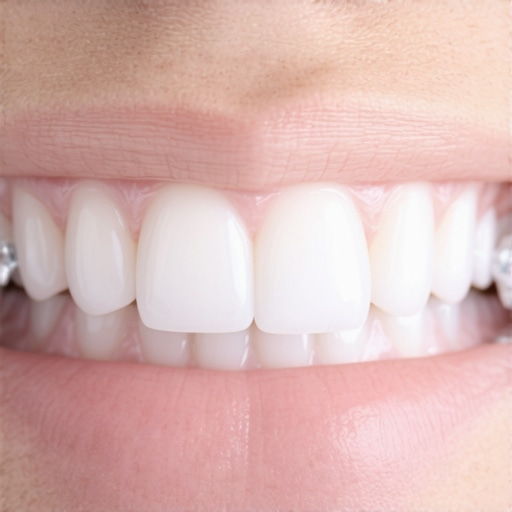
I vividly remember the moment I panicked when I felt my teeth wobble unexpectedly during my Invisalign journey. It was late one evening, and as I bit into my favorite crunchy apple, I noticed a strange movement that sent a wave of anxiety through me. Had I done something wrong? Was my treatment failing? That lightbulb moment revealed just how startling and unsettling it can be to experience loose teeth during what should be a smooth path to a straighter smile.
Unraveling the Mystery of Loose Teeth in Invisalign Treatment
Many people, myself included, don’t expect to feel any movement once their Invisalign treatment begins. Yet, sensation of loose teeth is more common than you might think, especially during the initial phases or after switching to new aligners. This movement isn’t necessarily a sign of trouble; rather, it often indicates that your teeth are shifting into their new positions, a necessary step in orthodontic correction. However, understanding why this occurs and when to be concerned can make a significant difference in how you manage your experience.
Did you know that gentle tooth movement is actually a sign that your Invisalign is working? According to dental research, controlled movement involves applying pressure that prompts the bone and tissue around your teeth to adapt, leading to realignment over time. This process is supported by the use of Invisalign trays, which act as precise guides for each phase of tooth movement.
However, early on, I made a mistake—assuming that any loose feeling was a problem and ignoring professional advice. That misstep could have set me back or caused unnecessary worry. Instead, I learned that careful monitoring and communication with my dentist are essential for a safe and effective treatment.
In this post, I’ll share practical insights into why teeth might feel loose during Invisalign, how to tell the difference between normal movement and concerning signs, and what proactive steps you can take to ensure your treatment stays on track. By the end, you’ll be equipped with the knowledge to confidently navigate this phase—whether you’re just starting or deep into your correction process.
Ready to understand the secrets behind this phenomenon and learn what actions can support your journey? Let’s dive into the reasons behind loose teeth and how you can manage them effectively.
Keep a Close Eye on Your Movement
When your teeth feel loose, it might seem alarming, but often it’s a sign of controlled movement. During my own treatment, I made it a habit to gently tap my teeth nightly with my finger. I observed minor shifts, which indicated the aligners were doing their job. This simple check helped me distinguish between normal movement and potential issues. Remember, if your teeth become unusually loose or painful, consult your orthodontist immediately to avoid complications. Regular monitoring ensures your treatment progresses safely.
Communicate with Your Dentist Promptly
Establishing open communication is crucial. When I experienced unexpected looseness, I reached out to my dentist through their online portal. Describing exactly how loose my teeth felt and when it occurred allowed them to assess whether my treatment was on track. They suggested avoiding hard foods and scheduled a quick checkup. To mimic this, keep a detailed dental journal noting any changes and share it during your appointments. Early updates help prevent minor issues from escalating into major setbacks.
Follow Care Instructions Religiously
Adhering to your dentist’s instructions amplifies treatment success. I was advised to avoid sticky or hard foods, which could exacerbate tooth instability. For example, I avoided caramel and nuts, replacing them with softer alternatives like yogurt and cooked vegetables. Think of your aligners as a delicate scaffolding; overload or misuse can damage the structure. Consistent wearing and proper cleaning of aligners ensure controlled pressure, akin to tuning a musical instrument gradually—it pays off in smooth, predictable progress.
Support Oral Health with Proper Hygiene
Maintaining impeccable oral hygiene is non-negotiable. I used a soft-bristled toothbrush to gently clean around my teeth and aligners, preventing plaque buildup that could weaken the bone tissue supporting teeth. Flossing carefully avoided applying unnecessary force near loosened areas. Consider it like tending to a garden: gentle, consistent care keeps your plants (teeth) healthy and resilient, facilitating proper movement without damage. Regular visits for professional cleanings further strengthen your oral foundation.
Avoid Excessive Pressure and Hard Foods
During treatment, I learned that biting into crunchy snacks could cause sudden shifts or discomfort. Applying excessive force is comparable to trying to fix a delicate sculpture with a hammer—counterproductive. Instead, opt for soft foods like mashed potatoes or smoothies. When you need to open sealed packages, do so gently to prevent sudden jarring movements. This precaution preserves the integrity of the treatment and reduces the risk of unintended tooth mobility or damage.
Stay Patient and Consistent
Progress may seem slow at times, but perseverance is key. I kept a daily routine of wearing my aligners as instructed, even when the teeth felt a bit loose. Over a few days, the movement stabilized, and I noticed the teeth settling into their new positions. Remember, controlled and gradual movement is essential for long-term success. Rushing or skipping steps can lead to setbacks, so patience and consistent care are your best allies during this phase of orthodontic correction.
Many individuals assume that dental crowns, Invisalign, and overall oral health are straightforward topics, but the reality is more nuanced than popular myths suggest. For instance, a common misconception is that crowns are only for severe decay. In truth, as highlighted in [this detailed guide](https://familydentistpro.com/why-crowns-are-a-game-changer-in-restorative-dentistry), crowns serve various restorative purposes beyond just repairing broken teeth; they can prevent further damage and enhance aesthetics. Many also believe Invisalign is only suitable for teenagers. However, advanced cases in adults frequently benefit from Invisalign’s discreet approach, challenging this age-related myth. Dive into [Invisalign myths debunked](https://familydentistpro.com/invisalign-myths-debunked-what-you-need-to-know-today) to see what can be truly achieved.
Are You Overlooking Subtle Signs of Oral Disease?
One hidden nuance many overlook is the importance of early detection. Many think that bleeding gums or minor sensitivities are insignificant, but according to periodontal studies, these can be signs of underlying issues that need prompt attention. Neglecting these signs, often dismissed as minor inconveniences, might lead to more severe problems like bone loss or systemic health impacts, such as heart disease. Regular checkups, as emphasized in [top oral health tips](https://familydentistpro.com/top-oral-health-tips-for-your-familys-bright-smiles), are essential to catch these nuances early.
Another advanced mistake is underestimating the importance of personalized dental care over one-size-fits-all solutions. For example, choosing a crown type without professional advice might compromise longevity and functionality. Resources like [choosing the right crown expert](https://familydentistpro.com/choosing-the-right-crown-expert-advice-for-long-lasting-results) can guide patients toward decisions tailored to their unique needs.
Furthermore, many think that once treated, dental issues don’t need ongoing attention. But maintaining oral health is an ongoing process. Regular professional cleanings and personalized home care routines significantly reduce the risk of future complications. See [the ultimate guide to crowns for a healthier smile](https://familydentistpro.com/the-ultimate-guide-to-crowns-for-a-healthier-smile) for more insights.
In summary, challenging these misconceptions and understanding the subtle complexities behind dental procedures can save you time, money, and discomfort. Always seek expert advice tailored to your specific situation and stay proactive about your oral health. Have you ever fallen into this trap? Let me know in the comments.Maintaining the progress of your crowns, Invisalign, and overall oral health requires reliable tools and consistent practices. One of my go-to resources is a high-quality dental mirror, which allows me to inspect hard-to-see areas, ensuring no plaque buildup or debris is overlooked—this small step helps prevent complications and extends the lifespan of restorations like crowns, as explained in [this detailed guide](https://familydentistpro.com/why-crowns-are-a-game-changer-in-restorative-dentistry). Additionally, I rely on a sonic toothbrush with adjustable intensity settings. The gentle yet effective vibrations help me remove plaque thoroughly without damaging sensitive areas, which is crucial for supporting long-term Invisalign wear and crown stability. I personally prefer models that have a timer and multiple brushing modes, allowing me to customize my routine for maximum benefit. Combining this with fluoridated, low-abrasion toothpaste ensures my enamel remains strong, according to recent research highlighting the importance of gentle cleaning:** https://familydentistpro.com/the-hidden-ingredient-in-natural-toothpaste-thats-ruining-your-enamel.
For software, I utilize smartphone apps that remind me to wear my aligners and schedule regular dental checkups. These digital tools improve my consistency and help catch issues early—preventing minor misalignments or crown loosening from escalating. Regularly updating your dental journal with notes on any sensations or visual changes can also serve as a useful communication aid during your dental visits. Looking ahead, I predict that integration of smart sensors into aligners and crowns might revolutionize long-term maintenance, providing real-time data on oral health status directly to your dentist.
How do I maintain my dental tools and routines over time?
To keep your cleaning devices effective, replace toothbrush heads every three months and clean your electronic toothbrush regularly to prevent bacterial growth. Store your tools in a dry, hygienic place, and sanitize them periodically with 70% alcohol solutions. For software, keep your apps updated and sync your data frequently to ensure your oral health records are current and accurate. Investing in quality tools and staying diligent with your routine not only preserves your dental investments but also enhances overall health—think of it as giving your smile the best long-term care possible. Ready to upgrade your daily routine? Try the tip of using a sonic toothbrush with adjustable modes and see how it transforms your oral hygiene habits. Keep in mind, ongoing maintenance is key to preventing issues like crown decay or Invisalign setbacks, just as outlined in [the ultimate guide to crowns](https://familydentistpro.com/the-ultimate-guide-to-crowns-for-a-healthier-smile). Staying proactive today guarantees a healthier, more confident smile tomorrow.
Embracing the Unexpected Movement: My Wake-Up Call
One of the most eye-opening lessons I learned about crowns and Invisalign is that some tooth mobility during treatment is actually a good sign. It means the controlled forces are doing their job. I used to panic when I felt loose teeth, but after speaking with my dentist and doing research, I understood that careful monitoring and patience are key. This realization transformed my anxiety into confidence in navigating family dentistry processes.
Smart Tools and Trusted Sources Shaped My Success
Over time, I discovered that investing in quality oral health tools, like a sonic toothbrush with multiple modes, made a tangible difference. Reading expert-reviewed resources, such as this guide on crowns, helped me understand nuances that aren’t common knowledge. Combining the right equipment with credible information created a solid foundation for my dental journey.
The Power of Routine and Patience in Achieving Long-Term Happiness
The biggest insight I gained is that consistent care and patience are indispensable. I maintained meticulous hygiene routines, avoided hard foods that could jeopardize my crowns, and stuck to my Invisalign schedule. Watching gradual but steady progress was incredibly rewarding. If you’re considering family dentistry or orthodontic work, remember: your daily habits forge the path toward lasting confidence and health.