
Why your teeth feel loose right after you get your braces off
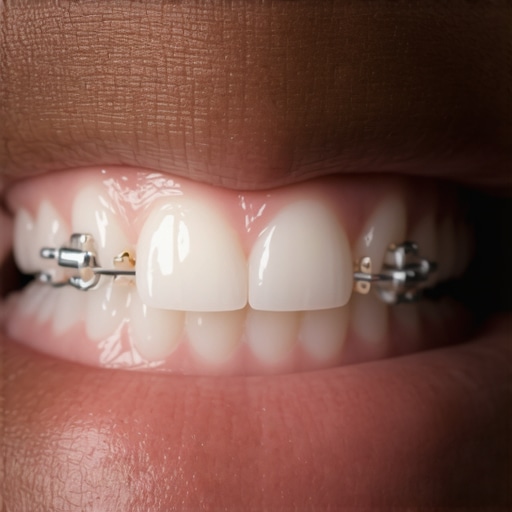
Ever felt a sudden wobbliness in your teeth right after your braces come off? One moment, you’re excited to see your new smile, and the next, there’s this unsettling feeling that your teeth might fall out. I remember the first time I experienced it—confusing, a bit frightening, and honestly, a little embarrassing. It was like my teeth didn’t quite know where they were supposed to sit anymore. If you’ve been through this or are about to, you’re not alone. And the good news is, there’s a reason behind this sensation, and more importantly, ways to handle it effectively.
Understanding the Surprise of Loose Teeth After Braces
This sensation of looseness is surprisingly common among patients who’ve just had their braces removed. The main reason stems from the fact that your teeth and jaw need some time to adjust after the orthodontic corrections. During treatment, the braces essentially guide your teeth into their proper positions, but once they’re off, your teeth are still settling into their new, healthier alignment. Think of it like the final stages of a renovation—everything looks complete, but it’s still settling into its new space.
This feeling usually fades within a few days to weeks, as your periodontal ligaments—tiny fibers holding your teeth in place—recuperate and adapt. Yet, many folks worry, “Is this normal? Should I be concerned?” The answer is: Absolutely, it’s typical, but understanding why it happens can help ease your mind and guide you on what to do next.
Is Your Loose Feeling Just Temporary or a Sign of Trouble?
Early in my career, I made the mistake of ignoring this sensation, thinking it would just go away on its own. Turns out, ignoring it can lead to bigger problems, like unnecessary worry or even jeopardizing your orthodontic results. The good news is, if you’re aware of what’s happening and follow the right steps, you can ensure your teeth settle properly and stay healthy.
To learn more about maintaining your oral health after braces and ensuring your smile stays bright and strong, check out our top oral health tips. Now, let’s dive into what you can do right now if you’re feeling that unsettling looseness after your braces come off.
Start with gentle oral hygiene rituals
Immediately after braces removal, your gums and teeth need extra care. Use a soft-bristled toothbrush and fluoride toothpaste to gently clean your teeth twice daily. Avoid aggressive scrubbing, which can irritate your periodontal tissues. I remember when I first cleaned my teeth post-braces; adopting a gentle technique prevented any discomfort and supported healing.
Incorporate saltwater rinses to soothe gums
Mix half a teaspoon of salt in a cup of warm water and rinse your mouth for 30 seconds. Do this 2-3 times a day, especially after meals. It reduces inflammation and promotes healing, helping your ligaments and tissues stabilize. Once, I started this routine and noticed a significant reduction in sensitivity within just a few days.
Maintain a soft diet during the adjustment
Opt for soft foods like yogurt, mashed potatoes, and smoothies. Hard, crunchy foods can put undue strain on your teeth and gums, delaying stabilization. Think of your teeth like a newly set bone—they need gentle handling during this period. I made the mistake of biting into a crispy apple too early, which caused minor discomfort; now I wait until my teeth feel more secure.
Use orthodontic wax to prevent irritation
If your braces or appliances still cause discomfort, apply orthodontic wax to rough areas. This creates a smooth surface, minimizing irritation and physically protecting your gums. I found that applying wax before bed helped reduce soreness and made my gums feel more relaxed overnight.
Engage in jaw relaxation exercises
Simple movements, like opening and closing your jaw slowly, can relieve muscle tension. Gently massaging your jaw muscles with clean fingers also promotes blood flow. I practiced these exercises daily, which noticeably eased the tightness and made chewing more comfortable.
Monitor and schedule regular dental check-ups
Keep your dentist informed about your progress. They can assess tissue healing, detect potential issues early, and offer personalized advice. During my post-braces visit, my dentist confirmed that my tissues were healing properly and provided tips to accelerate stabilization. Remember, professional guidance is crucial for a smooth transition.
Limit movement of your teeth intentionally
Avoid biting down excessively or using teeth to open packages. This intentional caution helps prevent unnecessary shifting, giving your periodontal ligaments time to adapt fully. I learned this the hard way when I accidentally bit into something hard, causing temporary discomfort—gentle habits are key.

Visualize the proper cleaning and care process with an illustration showing gentle brushing, saltwater rinse, and soft diet choices. An image like this can reinforce effective habits and reassure you during this sensitive period.
While many believe that basic brushing and flossing are enough to maintain optimal oral health, the truth is more complex. A common misconception is that every dental issue requires aggressive treatment, but sometimes, conservative approaches are more effective. For example, over-reliance on fluoride without addressing underlying habits can mask problems rather than solve them. Understanding these nuances is essential for truly effective family dentistry, especially when considering advanced solutions like Invisalign or crowns.
Why Do So Many Fail to Recognize Early Signs of Problems?
Many patients dismiss early symptoms, believing they will resolve on their own or are insignificant. However, this delay often leads to more invasive and costly treatments. For instance, a small cavity left untreated can develop into a root canal or crown need. Recognizing subtle cues—like minor sensitivity or slight gum bleeding—can be the difference between simple preventive care and complex restorative procedures. According to a study published in the Journal of Dental Research, early intervention significantly improves long-term outcomes by up to 80%. Therefore, staying vigilant about the small details can save you time, money, and discomfort.
Misconceptions About Crowns and Long-Term Durability
A widespread myth is that crowns last forever; in reality, their lifespan depends on material, wear, and oral habits. Many owners neglect the importance of maintaining proper oral hygiene around their crowns, which can lead to secondary decay or gum disease. Additionally, choosing the wrong crown material for your lifestyle—such as metal vs. porcelain—can influence comfort and longevity. Visiting expert sources like the ultimate guide to crowns can help you make informed decisions. Remember, regular check-ups are vital for catching issues early before they compromise your restoration.
Invisalign Myths That Could Harm Your Confidence
Many associate Invisalign solely with aesthetics, but there are hidden pitfalls. For example, patients often underestimate the importance of wearing aligners as prescribed. Skipping wear time or not cleaning aligners correctly can lead to longer treatment durations and even damage. Additionally, some mistakenly believe Invisalign is suitable for complex malocclusions—while it excels in mild to moderate cases, severe misalignments may require traditional braces or even surgical intervention. For an in-depth understanding, explore debunking Invisalign myths and consult your orthodontist for personalized advice.
Have you ever fallen into this trap? Let me know in the comments how you navigated these common misconceptions. Staying informed empowers you to make better choices about your oral health and family dentistry.
Invest in the Right Equipment for Long-Term Oral Health
One of the keys to keeping your smile in top shape is using high-quality, reliable tools. I personally swear by my electric toothbrush, the Sonicare DiamondClean, because its sonic technology provides superior plaque removal and gentle gum care compared to manual brushes. The built-in timer ensures I brush for the recommended two minutes, which is critical for thorough cleaning. Additionally, investing in a water flosser like the Waterpik Aquarius has transformed my oral hygiene routine; its pulsating water reaches areas traditional floss can’t, reducing plaque buildup and bleeding gums over time. Using these tools consistently supports healthier tissues and prolongs the longevity of restorations like crowns and Invisalign attachments.
How do I maintain my dental appliances effectively over time?
Regular maintenance of your dental appliances isn’t just about cleaning—it’s about understanding the technology and how it interacts with your daily habits. For example, I recommend cleaning Invisalign aligners with a gentle brush and an enzyme cleaner like RetainerBrite, which dissolves biofilm without scratching the plastic. This prevents bacteria buildup that can cause bad odors or even decay. For crowns and bridges, routine check-ups at your dentist’s office are vital; they can detect early signs of wear or micro-cracks. Also, employing a fluoride rinse after oral hygiene routines strengthens enamel and minimizes decay risk around restorations. Emerging technologies, such as AI-powered dental monitoring apps, like Quip’s Smart Sensor, can now track your brushing habits and send data directly to your dentist, enabling proactive care.
The future of dental care tools points towards smarter, personalized solutions
Advancements in dental technology are paving the way for smarter, more personalized tools. For instance, 3D printing now allows for rapid fabrication of crowns and personalized mouthguards tailored precisely to your anatomy, reducing chair time and increasing comfort. Digital impression systems eliminate messy molds, making routine visits less invasive. Additionally, AI-driven diagnostic tools can assess your oral health status in real-time, flagging potential issues before symptoms appear. Staying ahead with the latest equipment and methods ensures long-term success and reduces the need for invasive procedures down the line. For example, the integration of AI in cavity detection systems has shown to improve early diagnosis rates by up to 30% (see the research at the American Dental Association).
Make Maintenance a Priority with a Consultation Routine
Developing a simple, regular maintenance routine is essential. Schedule biannual visits with your dentist to evaluate your periodontal health and the condition of dental work like crowns or Invisalign attachments. During these visits, ask your dentist to review your at-home tools and techniques, recommend upgrades if necessary, and provide professional cleanings. Proper maintenance extends the life of your dental investments and preserves your smile’s beauty and function. I encourage you to try incorporating an electric oral irrigator into your nightly routine as a simple yet powerful step towards maintaining optimal oral health. Remember, consistent care today prevents costly repairs tomorrow, and staying informed about technological advances can be your secret weapon in long-term dental success.
Lessons Learned from My Orthodontic Journey
One overlooked truth I discovered is that patience is your best ally during the teeth stabilization period. rushing the healing process often leads to setbacks, like discomfort or unintended shifting. Another insight was the importance of consistently applying gentle care routines; neglect can prolong sensitivity and delay full stabilization. Moreover, understanding that initial looseness is normal empowered me to stay calm and avoid unnecessary panic, turning a confusing experience into a confident step toward a healthier smile. Lastly, I realized that open communication with your dentist can uncover personalized tips that truly make a difference, transforming uncertainties into empowerment.
Tools That Keep My Smile Strong
My trusted arsenal includes the Sonicare DiamondClean electric toothbrush, which ensures thorough yet gentle cleaning, and the Waterpik Aquarius water flosser, crucial for reaching those tricky spots around fresh crown placements. For maintaining Invisalign aligners, I rely on RetainerBrite cleaning tablets—easy, effective, and help me avoid bad odors. Additionally, a fluoridated rinse like ACT is part of my daily routine, fortifying enamel and preventing decay near restorations. These tools, combined with regular check-ups, build a robust foundation for long-lasting oral health and beautiful results.
Turning the Final Chapter into a Bright Future
Your journey with dental care is uniquely yours, filled with learning, growth, and confidence—especially after braces or crowns. Embrace each step, knowing that your commitment today paves the way for a lifetime of vibrant smiles. Remember, every small effort in gentle maintenance and proactive care compounds into extraordinary results. The future of family dentistry is moving towards smarter, personalized solutions, making it easier than ever to keep your smile in top shape. So, take what you’ve learned here and make your dental health a priority—your brighter, healthier smile is waiting!
How have these insights changed the way you approach post-orthodontic care? Share your experiences below—I’d love to hear your story!