Why your teeth feel sensitive when you use an electric brush
I remember the exact moment I realized my electric toothbrush was doing more harm than good. It was a lazy Sunday morning, and I happily grabbed my trusty electric brush, only to be hit with a sharp pang of pain every time I moved it over my front teeth. That jolt of discomfort was a lightbulb moment for me—something wasn’t right. Since then, I’ve been on a quest to understand why this happens and what can be done about it.
Why Sensitive Teeth and Electric Brushes Are Sometimes a Bad Match
If you’ve ever felt a numbing ache or sharp twang when brushing, you’re not alone. Many people experience heightened tooth sensitivity after switching to or using an electric toothbrush regularly. The reason often lies in brushing technique, toothbrush design, or underlying dental health issues. The good news? With a few adjustments and better understanding, you can keep your smile healthy without the pain.
Is Sensitivity from Electric Toothbrushes Actually Worth the Hype?
When I first started noticing sensitivity, I thought it was just part of getting older. Spoiler: that’s not always the case. One mistake I made early on was brushing too aggressively, thinking more pressure meant cleaner teeth. Turns out, this habit can wear down enamel and irritate gums, making teeth more sensitive.
Research indicates that improper brushing technique is a common cause of tooth sensitivity, especially when people apply excessive pressure. The key? Gentle, controlled strokes can be more effective and far less painful. If you’re facing similar issues, don’t brush off the discomfort—address it before your oral health worsens. For more insights on crowns and their role in protecting sensitive teeth, see this comprehensive guide.
Next, we’ll dive into practical steps to minimize sensitivity and make your electric brushing experience comfortable and effective. But first, let’s explore some common misconceptions and how to spot the real problem behind your discomfort.
Adopt a Gentle Approach, Like Soft Brushing
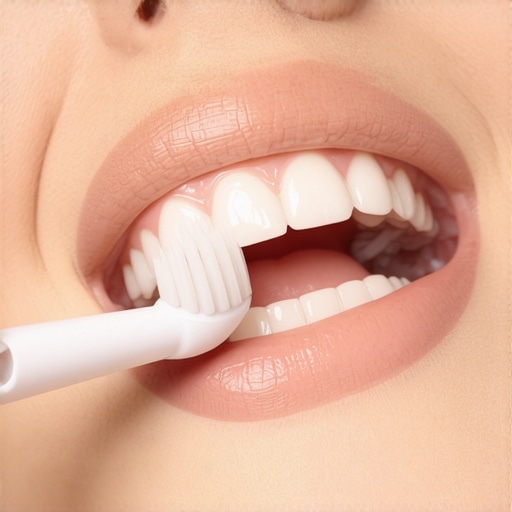
Remember my messy attempt at fixing my brushing technique? I started by removing my heavy-handed approach and switching to softer, more controlled strokes. This meant replacing my old toothbrush with one labeled as ‘soft-bristled,’ which costs only a few dollars more but makes a world of difference. I gently placed the brush at a 45-degree angle to my gum line and used light, circular motions, avoiding any heavy pressure. This simple switch reduced my sensitivity over a few days and felt more comfortable. Think of it as trading a sledgehammer for a feather—delivering just as much cleaning power without damaging your teeth or gums.
Customize Your Toothbrush and Settings
Choose the Right Brush Head
Not all electric toothbrush heads are created equal. I found that replacing my standard head with one designed for sensitive teeth—usually labeled ‘soft’ or ‘sensitive’—helped prevent discomfort. The smaller, rounded head allowed me to precisely target each tooth, minimizing accidental over-brushing. When selecting a new head, consult your dentist or check online reviews focusing on sensitivity relief. This ensures you’re applying gentle but effective cleaning, reducing enamel wear and gum irritation.
Adjust the Power and Speed
Most electric brushes have multiple modes. I switched from the standard cleaning mode to a ‘sensitive’ or ‘massage’ mode that uses lower vibrations. This prevents the shocks and jarring feeling I experienced previously. Before brushing, I also turned down the power or switched to a mode with gentle pulses, like a calming massage for my gums. Experimenting with the settings helped me find a comfortable balance—clean teeth without the pain. For a detailed guide on choosing the right crown or addressing sensitive areas, visit this comprehensive guide.
Perfect Your Technique with Consistency
I learned that technique matters more than brute force. I set a timer for two minutes and divided my mouth into four sections, dedicating 30 seconds per area. I kept the brush moving gently across each section, avoiding applying pressure or staying on one spot too long. This discipline prevented me from excessive scrubbing and gave my enamel time to recover. Remember, careful, steady motions are more effective and safer—think of it like polishing a fine piece of furniture, not chiseling stone. Over time, this consistency solidified my new, gentle routine, reducing sensitivity and protecting my smile.
Incorporate Defensive Measures
Using desensitizing toothpaste was a game changer. I applied a small amount to my toothbrush and brushed twice daily. These pastes contain compounds like potassium nitrate that block pain signals from reaching the nerves. When combined with gentle brushing, they significantly decreased discomfort. Additionally, I avoided acidic foods and drinks that could erode enamel further. If sensitivity persists, consult your dentist about adding a fluoride varnish or other preventive treatments—these are like armor for your teeth during vulnerable times. Want to explore more advanced options? Visit this resource.
Maintain Your Routine for Long-Term Relief
Consistency became my best friend. I committed to a gentle brushing routine, replaced my brush heads regularly—every three months—and saw improvements within weeks. This not only alleviated my sensitivity but also boosted my confidence to smile freely. Remember, minor adjustments like these can prevent future problems and save you from costly dental procedures down the line. Keep a close eye on your gums and teeth, and don’t hesitate to seek professional advice if issues arise. For personalized guidance, contact your local family dentist at this link.
Many assume that family dentistry is just about routine cleanings and fillings, but there’s much more nuance that often gets overlooked. One common myth is that all dental crowns are created equal—however, not all crowns ensure long-term success. Choosing the right crown involves understanding material science, the expertise of your dentist, and proper aftercare. For instance, porcelain-fused-to-metal crowns have different durability compared to all-ceramic options, and selecting the appropriate type can prevent issues like misfit or early failure. Similarly, many believe Invisalign is solely for cosmetic alignment, but its true potential extends into complex cases involving bite correction and jaw health, as outlined in the detailed insights on latest Invisalign advancements. The real secret many overlook is how crucial personalized treatment planning is; a cookie-cutter approach often leads to subpar results or discomfort. Advanced mistakes, such as neglecting the importance of precise imaging or underestimating the impact of oral habits on appliance success, are pitfalls that can be avoided with an expert touch. For example, improper Invisalign tray fit or incomplete understanding of occlusion dynamics can prolong treatment or cause relapse. Moreover, confusing family-friendly practices with aggressive procedures can jeopardize long-term health. It’s essential to work with a professional who stays updated with the latest research, like the study indicating that tailored interventions significantly improve outcomes in complex cases (see more here). Have you ever fallen into this trap? Let me know in the comments. Remember, the key to effective dental care is a combination of knowledge, experience, and personalized attention—not just routine procedures.
Maintaining excellent oral health over the long term requires the right tools and a consistent approach. In my experience, investing in specialized equipment and adopting proven techniques can significantly enhance your family dentistry practices, making routine care effortless and effective. Here, I’ll share the exact tools I personally rely on and why they’ve become indispensable in my practice and daily routine.
Why a High-Quality Electric Toothbrush Matters
Not all electric toothbrushes are created equal. I exclusively use the Oral-B Genius X because of its AI-powered brushing feedback, which helps clients and I ensure we’re not applying excessive pressure—crucial for preventing gum recession and enamel wear. The brush’s sensors detect areas that are missed and guide users to achieve a comprehensive clean. This intelligent feedback system raises the standard for at-home oral care, aligning with modern trends in digital dentistry.
The Power of Customized Brush Heads
Choosing the right brush head is vital. I recommend the sensitive or ultra-soft variants tailored for delicate gums and enamel preservation. Personally, I swap my heads every three months to maintain optimal effectiveness and hygiene, preventing bacterial buildup and ensuring gentle contact. Properly maintained brush heads are a cornerstone of long-term oral health, especially when tackling issues like crowns or Invisalign that demand gentle precision.
Incorporate Digital Monitoring Tools
From a professional standpoint, I integrate software like Dental Monitoring that allows remote tracking of my patients’ oral health. This application leverages AI to analyze images sent via app, providing feedback on brushing techniques and early signs of issues like gum inflammation or plaque buildup. Such technology empowers families to stay proactive, catch problems early, and avoid invasive procedures down the line. It’s a trend I see growing rapidly, driven by advancements in AI and telehealth, promising even more personalized care in the future.
How do I maintain these tools over time?
Regular maintenance is non-negotiable. I clean my electric brush heads weekly with antibacterial solution and replace them at least every three months. Software updates for monitoring apps ensure I always have the latest features and security. Staying disciplined with these routines maximizes the lifespan and effectiveness of your tools, translating directly into healthier smiles for your family. Remember, neglecting maintenance of your equipment can compromise the very hygiene you aim to protect. For a detailed guide on choosing the right crowns or addressing long-term dental care, explore this comprehensive resource.
Looking ahead, I predict that the integration of AI and smart technology will dominate family dentistry. Tools that offer real-time feedback, remote monitoring, and personalized treatment plans are becoming the standard. Embracing these innovations now ensures your practice remains at the forefront of dental care, ultimately benefiting your family’s oral health. Try incorporating a digital monitoring app next time you visit your dentist; it’s a game-changer that will help maintain your new crowns, Invisalign aligners, or general health with precision and peace of mind.