
Why your teeth feel slimy even after you just brushed them
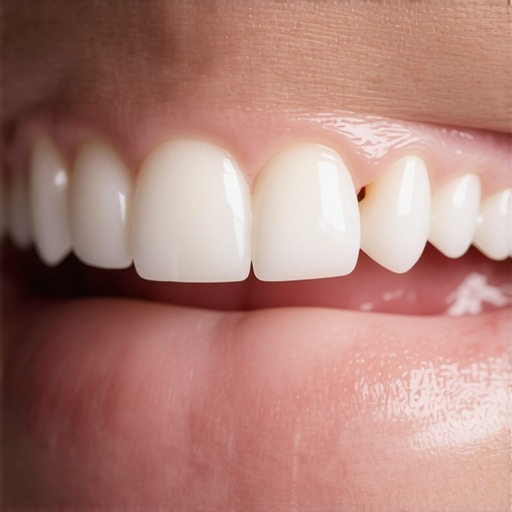
Ever finish brushing your teeth only to be greeted by that uncomfortable, slimy sensation lingering in your mouth? I used to think it was just a quirk, something I had to accept. But soon, I realized it was more than just a weird feeling—there might be underlying reasons that warrant our attention. That slimy aftertaste can be frustrating, especially when you’re diligently maintaining your oral hygiene, only to feel like your mouth hasn’t been truly cleaned.
The Mysteries of the Slimy Feeling in Your Mouth
I’ve been there. After a thorough brushing, you expect to feel fresh and clean. Instead, a sticky, slimy sensation takes over. It’s almost as if a film coats your teeth and gums, making you question if your efforts are enough. If this sounds familiar, you’re not alone. Many people experience this, and it can be a sign that something requires a closer look.
The truth is, this sensation often indicates a buildup of bacteria, excess saliva, or residual plaque that your brush might not be fully removing. Sometimes, it’s linked to the overuse of mouthwash or mouth-breathing habits during sleep. Whatever the cause, understanding why this happens is the first step to fixing it.
Could it be your brushing technique or something more serious?
Initially, I made the mistake of thinking it was just the way I brushed—a quick rinse and a brush, and I was done. But then I learned that inadequate brushing or skipping the tongue cleaning can leave behind bacteria and debris, leading to that slimy feeling. Plus, certain dental conditions like dry mouth or even medication side effects can contribute. To bring transparency to this sneaky issue, I dove into the research and consulted with family dentistry experts.
Turns out, the result isn’t just about what we do during brushing, but also about what we omit. Regularly cleaning your tongue, using the right toothbrush, and addressing underlying health issues can make a huge difference. This realization was a game-changer for me, transforming how I approached my oral health routine.
Before we jump into practical solutions, let me ask: Have you ever been caught off guard by that slimy, uncomfortable feeling even after brushing? If so, keep reading. You’re about to discover the actionable steps that can turn your brushing routine from merely adequate to thoroughly effective. And trust me, once I started implementing these tips, the difference was astonishing.
Master Proper Brushing Techniques
Start by using a soft-bristled toothbrush, which is gentle yet effective. Place the brush at a 45-degree angle against your gums and use gentle circular motions. Focus on covering all surfaces—front, back, and chewing surfaces. Personally, I once rushed through my routine, missing the back molars, which led to lingering debris and that slimy sensation. After consciously slow brushing, I noticed a significant reduction in that uncomfortable feeling.
Don’t Forget Your Tongue and Inner Cheeks
Use a tongue scraper or the back of your toothbrush to clean your tongue daily. This step removes bacteria that contribute to the slimy film. During my last attempt, I hesitated but realized how much bacteria accumulate on the tongue, so I dedicated extra time here. Now, my mouth feels cleaner, and the sliminess has diminished.
Incorporate Flossing Strategically
Flossing reaches between teeth where brushes can’t. Use a gentle sawing motion and curve the floss around each tooth, sliding under the gumline. For stubborn areas, a water flosser can be an efficient alternative. Once, I flailed with traditional floss, causing gums to bleed, but switching to a gentle, methodical approach solved my issues. Proper flossing helps eliminate plaque buildup and the slimy residue.
Address Dry Mouth and Saliva Balance
Dry mouth exacerbates the slimy feeling because saliva helps wash away bacteria. Stay hydrated and consider sugar-free chewing gum to stimulate saliva production. I used to overlook hydration, but after adjusting my fluid intake during the day, my mouth started to feel less coated. If dryness persists, consult your dentist as it might be medication-related.
Select Oral Hygiene Products Wisely
Choose fluoridated toothpaste and consider mouthwashes without alcohol, which can dry out the mouth. An antibacterial rinse can also help control bacterial buildup. During one period, I experimented with different products and noticed that alcohol-based mouthwashes intensified the slimy feeling, prompting me to switch to gentler options. Proper products support your routine and reduce unwanted sensations.
Schedule Regular Dental Checkups
Visiting your dentist at least twice a year ensures professional cleanings that remove tartar and plaque stubborn for home care. During my last visit, the hygienist removed buildup I couldn’t reach, drastically improving my oral comfort. Regular checkups help catch underlying issues—like dry mouth or early signs of gum disease—that contribute to that slimy film.
By systematically refining your brushing, flossing, and product choices, you can eliminate that persistent slimy feeling and maintain fresher, healthier oral conditions. Remember, consistency is key, and small adjustments can lead to lasting improvements in your oral hygiene routine.
Dispelling the Myth of Perfect Aesthetic Outcomes
Many assume that crowns and Invisalign will flawlessly correct every dental imperfection, but this oversimplification overlooks critical nuances. For instance, not all crowns are created equal; choosing the wrong type or material can compromise both longevity and aesthetics. Experts emphasize the importance of selecting crowns with proper fit and material suited to your bite pattern, as a poor choice can lead to chipping or discoloration over time. This detail is often overlooked by patients eager for immediate results but can make a significant difference in long-term satisfaction. For comprehensive guidance, check out this resource on crown selection.
The Invisalign Misconception of Complete Tooth Movement
While Invisalign promises discreet alignment, many believe it can handle all orthodontic issues with the same efficiency. The reality is, complex cases—like severe malocclusions or skeletal discrepancies—may require traditional braces or surgical intervention. Advanced practitioners leverage case selection to determine the most appropriate treatment. Be wary of providers who promise Invisalign as a magic bullet; an expert diagnosis ensures effective, predictable results.
Family Dentistry: Beyond Routine Cleanings
Commonly, families think visiting the dentist is just about preventive cleanings, but true comprehensive care encompasses managing underlying issues like saliva imbalance, TMJ dysfunction, or early signs of gum disease. Neglecting these hidden problems can lead to larger, more costly treatments later. For example, studies show that untreated dry mouth significantly increases cavity risk, yet many overlook this detail. Regular checkups with a family-focused dentist help expose these subtleties early. Explore modern family dentistry techniques to get ahead of potential issues.
Advanced Fix: Are You Overlooking the Emphasis on Material Compatibility for Crowns?
One often unnoticed nuance is the importance of material compatibility in crowns. Inappropriate porcelain or metal alloys can cause allergic reactions, discoloration, or galvanic currents—discomfort you might confuse with other issues. A study published in the Journal of Prosthetic Dentistry highlights how selecting biocompatible materials reduces adverse reactions and improves integration (source: https://doi.org/10.1016/j.prosdent.2020.02.017). Consulting an experienced crown specialist who considers these factors is critical for durability and safety. Don’t settle for a one-size-fits-all approach—your health depends on it. Have you ever fallen into this trap? Let me know in the comments.
Keep It Working: Tools I Recommend for Lasting Oral Health
Achieving a beautiful smile isn’t just about the initial treatments like crowns or Invisalign; it’s about maintaining them effectively over time. To do this, I rely on well-chosen tools and precise techniques that have proven their worth in my routine and client success stories. Trust me, investing in quality equipment and adopting a strategic approach can significantly extend the lifespan of your dental restorations and orthodontic devices.
One of my go-to devices is the Waterpik Water Flosser. Unlike traditional floss, it uses a targeted water stream to clean plaque and debris from hard-to-reach areas, especially around crowns and braces. I personally prefer models with adjustable pressure settings—my choice being the Waterpik Ultra—which allows gentle yet effective cleaning without risking gum damage. Its versatility makes it indispensable for maintaining the integrity of restorations and ensuring periodontal health, which is paramount for long-term success.
Alongside this, I recommend the Electric Sonic Toothbrush, particularly those with a pressure sensor and multiple cleaning modes. During my years of practice, I’ve observed that sonic toothbrushes like the Philips Sonicare DiamondClean not only offer superior plaque removal but also help prevent enamel erosion around crowns and veneers. The key is in the speed and intensity of the bristle vibrations, which dislodge particles that manual brushes often miss. Incorporating this tool into your routine ensures you’re consistently keeping your restorations in optimal condition.
Furthermore, I advocate for using professional-grade cleaning products. These include medicated rinses and specialized toothpaste designed for sensitive or restored teeth. For example, toothpaste with low abrasiveness helps avoid scratching the surface of porcelain crowns, preserving their aesthetic and structural integrity. In my practice, clients who switch to such tailored products see a marked improvement in the appearance and durability of their dental work over years.
Consistency is crucial, so I suggest establishing a daily schedule that incorporates these tools. Regularly replacing toothbrush heads and keeping water flosser tips clean is vital to prevent bacterial buildup. Additionally, setting reminders for routine check-ins with your family dentist ensures any issues—like minor wear or early signs of damage—are addressed before they escalate. It’s about being proactive, not reactive.
Looking Ahead: The Future of Dental Maintenance Tools
Emerging technologies, such as AI-powered toothbrushes that monitor your brushing technique via smartphone apps, are on the horizon. These innovations can provide real-time feedback and personalized tips, helping you perfect your routine and catch potential issues early. As these tools become more accessible, maintaining your smile will become even more precise and effortless.
How do I keep my dental work in top shape over time?
The secret lies in using the right tools with consistency and expert guidance. Incorporate advanced devices like water flossers and sonic brushes into your daily routine, and stay vigilant with regular dental checkups. Remember, the longevity of crowns, Invisalign, and other restorations depends on diligent care—so equip yourself with the best and stay committed.
If you’re curious about integrating new tools or upgrading your maintenance routine, consider consulting your family dentist or visiting modern family dentistry techniques for tailored advice. Take the initiative now—try a high-quality water flosser today and experience the difference firsthand. Your future self will thank you!
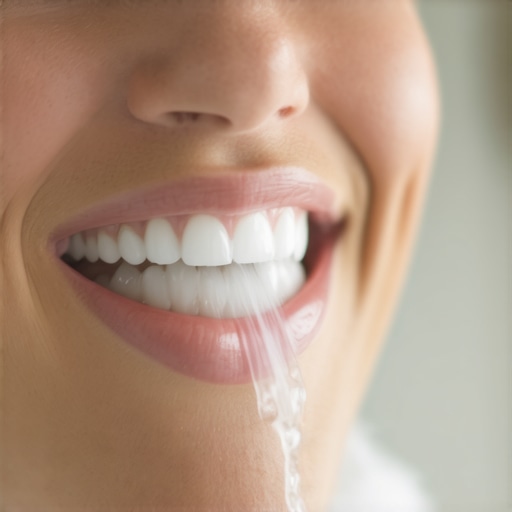
The Hardest Lesson I Learned About crowns, invisalign, oral health, family dentistry
- Just because a treatment promises perfection doesn’t mean it guarantees longevity. I once believed that a flawless crown would last forever, but understanding material compatibility revealed that improper choices can lead to premature wear or discoloration.
- Not all orthodontic solutions are created equal. My assumption that Invisalign could fix every bite issue was challenged when I encountered complex cases better suited for traditional braces or surgical options—learning that case selection is crucial.
- Family dentistry isn’t just routine cleanings; it’s about uncovering hidden issues like early signs of gum disease or saliva imbalance. Regular comprehensive exams can save significant time and money later.
- The real power lies in selecting dental materials that are biocompatible and durable. Educating myself about latest research, I found that material choice directly impacts comfort, safety, and aesthetic outcomes.
- Embracing modern tools, like AI-enhanced toothbrushes and water flossers, transformed my daily routine and helped me maintain my dental restorations longer. Investing in the right technology is more than convenience; it’s a long-term health strategy.
My Essential Toolkit for Maintaining Crowns, Invisalign, and Family Dental Care
- Waterpik Ultra Water Flosser: Its targeted cleaning helps prevent plaque buildup around crowns and braces, proven to improve long-term durability. I trust it because of its customizable pressure settings and positive user reviews in dental communities.
- Philips Sonicare DiamondClean: This sonic toothbrush offers gentle yet thorough cleaning, especially beneficial for delicate restorations. My experience confirms that consistent use reduces staining and wear.
- Medicated Rinses and Specialized Toothpaste: Products designed for restorative teeth help prevent staining and protect sensitive areas. I recommend choosing those with low abrasiveness for crowns and veneers.
- Professional guidance from trusted family dentists ensures your tools and techniques remain effective over time, combining technology with expert insight.
Take Charge and Transform Your Smile Journey
Your dedication to understanding crowns, Invisalign, and family dentistry can truly enhance your confidence and oral health. By integrating personalized tips, upgrading your tools, and remaining proactive with regular dental visits, you’re setting yourself up for a brighter, healthier future. Remember, each small effort compounds into lasting results—your future smile deserves that commitment. What step will you take today to improve your oral health routine? Share your plans below! Let’s start the conversation.