
Why your teeth feel sticky even after a thorough brushing
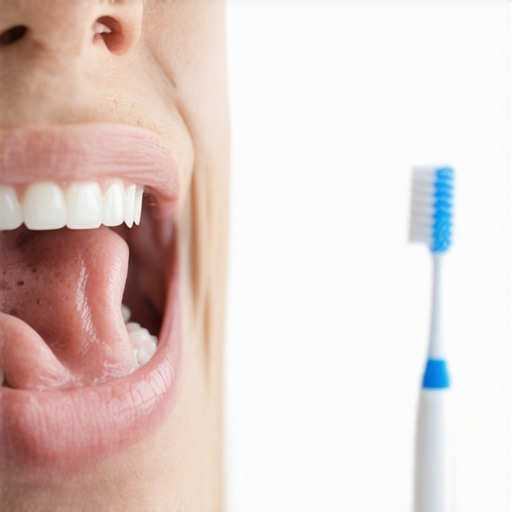
It happened again this morning. I brushed my teeth thoroughly, swished mouthwash, and even ran my tongue over my teeth — only to realize my tongue still felt sticky and unclean. Frustrating, right? That sinking feeling that your mouth isn’t quite fresh, even after your best efforts. I’ve been there too, and I know how unsettling it can be when your mouth refuses to feel fresh despite all your brushing.
Mastering Your Brushing Technique
Start by using a soft-bristled toothbrush and fluoride toothpaste. Position the brush at a 45-degree angle to your gums. Use gentle circular motions, covering every surface of each tooth—front, back, and chewing sides. I remember a time I neglected this detail, and after a week, I experienced gum soreness. Adjusting my technique made a huge difference in my gum health.
Incorporate Flossing Effectively
Flossing removes plaque and debris from between teeth where brushes can’t reach. Take about 18 inches of floss, wind it around your middle fingers, and gently glide it between teeth, curving it around each tooth to clean beneath the gumline. I once rushed through flossing and noticed lingering food particles; slowing down and proper flossing eliminated this issue, improving my breath.
Use Mouthwash as a Booster
Choose an antiseptic mouthwash to kill bacteria that cause bad breath and plaque buildup. Swish for 30 seconds, ensuring you reach the back parts of your mouth. I found that using mouthwash after brushing and flossing provided an extra layer of freshness, especially when I had a hectic day ahead.
Stay Hydrated for Natural Cleanliness
Drinking water helps wash away food particles and neutralizes acids produced by bacteria. Drinking a glass after meals can prevent plaque from hardening into tartar. I’ve noticed that staying hydrated keeps my mouth feeling clean longer, reducing the need for frequent brushing.
Schedule Regular Dental Check-Ups
Visit your dentist at least twice a year for professional cleaning and examination. Dentists can identify issues early, such as cavities or gum disease, before they become painful or costly. I once skipped my routine check-up, which led to an unexpected cavity. Routine visits ensure your mouth remains in optimal condition.
Address Lingering Uncertainty
Sometimes, despite diligent efforts, your mouth might still feel unclean. This could be due to factors like stubborn plaque or underlying issues requiring professional attention. In such cases, consulting your dental care provider is essential. They might recommend treatments such as crowns, which can restore damaged teeth and improve overall oral health—learn more about crown selection tips.
While many people believe they understand the basics of maintaining oral health, several misconceptions can hinder optimal results. One prevalent myth is that if you brush thoroughly, floss daily, and use mouthwash, your teeth are invincible. However, the intricacies of oral care reveal that technique matters immensely. For example, many assume that all dental crowns are equally durable, but selecting the right type depends on factors like material, location, and your biting habits.
What Advanced Factors Are Often Overlooked in Choosing Dental Restorations?
Research indicates that the longevity of crowns varies significantly based on the bonding technique and material used. Consulting with an experienced dentist, who can evaluate your specific needs, ensures you avoid premature failures and costly replacements. Moreover, a common mistake is misunderstanding Invisalign as a one-size-fits-all solution. Some think it’s only for minor misalignments, but with proper assessment and guidance, Invisalign can address complex cases, provided the practitioner is adept at customizing treatment plans. You can learn more about the realities versus myths of Invisalign by exploring these insights. 
One of the more subtle errors is believing that oral health improvements can be achieved through shortcuts like whitening strips or rapid fixes. While cosmetic enhancements boost confidence, they don’t replace the need for diligent plaque removal and professional cleanings. Ignoring the importance of regular dental visits can lead to hidden issues such as gum disease or cavities, which, if left untreated, threaten the integrity of restorations like crowns or implants. Remember, your mouth is a complex ecosystem, and quick fixes often mask underlying problems rather than solve them. As highlighted in these expert tips, adopting a comprehensive, tailored approach to oral health yields the best long-term results. Don’t let misconceptions and overlooked nuances compromise your dental well-being—consult your family dentist regularly to stay ahead. Have you ever fallen into this trap? Let me know in the comments.Maintaining your oral health relies not only on good habits but also on the right tools and a systematic approach to care. Investing in quality equipment ensures that your efforts are effective and sustainable over time. For instance, I personally swear by the Sonicare DiamondClean electric toothbrush because its oscillating motions provide superior plaque removal compared to manual brushing, especially around crowns and bridges. Its timers and pressure sensors also help prevent over-brushing, which can damage delicate gum tissue.
Flossing should not be overlooked—waxed flosses like Glide are my go-to because they glide easily between teeth, reducing gum irritation and ensuring thorough plaque removal. Additionally, I recommend periodically replacing your toothbrush or brush heads every three months; worn bristles lose their effectiveness. Using a UV sanitizing device, such as the SteriDent UV Toothbrush Sanitizer, can help eliminate bacteria lurking on your tools, reducing the risk of reinfection or decay.
How do I maintain my dental restorations and Invisalign over time?
One critical aspect is adhering to professional maintenance routines. Regular check-ups allow your dentist to evaluate the integrity of crowns, veneers, and Invisalign trays, ensuring they continue to serve their purpose. For crowns, experts advise using specialized tools like air-abrasion polishers during cleanings, which effectively remove plaque without damaging delicate restoration materials—learn more about how to choose durable crowns. As for Invisalign, consistent cleaning with a soft-bristled toothbrush and avoid harsh chemicals preserves the clarity and fit of the aligners. Implementing a daily habit of rinsing trays with clear, mild soap and cold water prevents buildup of plaque and bacteria, which can compromise both the treatment and oral hygiene.
Looking ahead, advancements in digital scanning and 3D printing are revolutionizing how we maintain and customize dental restorations and aligners. Automated system diagnostics, like those integrated into some newer dental software, will make ongoing monitoring more precise, potentially catching issues before they become noticeable. As technology evolves, I predict a future where remote monitoring and AI-driven diagnostics will empower patients to manage their dental health proactively. To help you get started today, consider adopting an ultrasonic cleaner designed specifically for dental tools, which can significantly extend their lifespan and efficacy. Try it for your next care routine and notice the difference in cleanliness and confidence. For further support and personalized advice, don’t hesitate to contact your family dentist through their contact page.,
Unexpected Lessons from Personal Experience with Dental Restorations
One of the toughest lessons I learned was the importance of consistent maintenance for dental crowns and Invisalign trays. Initially, I underestimated how small habits, like rinsing aligners daily or avoiding chewing on hard foods, could significantly extend the life of my restorations. Over time, neglecting these details led to unnecessary replacements and added costs, teaching me to stay vigilant in my everyday routines.
The Hidden Power of Tailored Dental Tools
Investing in personalized tools—such as soft-bristled toothbrushes or ultrasonic cleaners—made a noticeable difference in my oral health. These are not just luxury items; they’ve become essential in my routine to prevent plaque buildup and ensure my crowns and Invisalign remain pristine. Experiencing the difference firsthand convinced me that quality tools are a worthwhile investment for long-term success.
Embracing Technology for Better Dental Outcomes
Advancements like digital scanning and 3D printing have transformed how I approach oral health care. Using modern diagnostics allowed me to work more closely with my dentist, catching issues early and customizing treatments effectively. This tech-driven approach has alleviated my anxieties and empowered me to take proactive steps, making dental maintenance less daunting and more precise.
Prioritizing Regular Professional Check-Ups
The most valuable insight I gained was recognizing the critical role of routine dental visits. Even with diligent at-home care, scheduled professional cleanings and assessments are irreplaceable. They help maintain the integrity of crowns and aligners and safeguard against hidden problems that could compromise my smile—highlighted in [family dentistry’s](https://familydentistpro.com/family-dentistry-secrets-maintaining-oral-health-with-modern-techniques-at-254-pm) best practices.
Curated Resources That Have Guided My Journey
For those looking to deepen their understanding, I trust the comprehensive information available at [Choosing the Right Crown](https://familydentistpro.com/choosing-the-right-crown-expert-advice-for-long-lasting-results), which offers insights into selecting durable restorations. Additionally, exploring [Invisalign myths](https://familydentistpro.com/invisalign-myths-debunked-what-you-need-to-know-today) helps demystify orthodontic options and sets realistic expectations. These platforms combine expert advice with relatable stories, making complex topics accessible.
The Power of Consistent Care and Education
Consistent, well-informed decisions are the foundation of lasting dental health. Embracing new tools, staying educated, and engaging regularly with your dental team can dramatically improve your experience and results. Remember, your smile is a gateway to confidence and health—nurture it with intention and a proactive attitude.
Your Turn to Transform Your Oral Routine
Embarking on a journey to elevate your family dentistry and orthodontic success starts with small, intentional steps. Whether it’s adopting better flossing habits, choosing quality tools, or scheduling your next check-up, every action counts. Your smile deserves that extra attention—don’t wait for problems to arise. What’s one new habit you’re willing to try today to improve your dental health? Share below and motivate others to take charge of their oral well-being.