
Why your toddler refuses to brush their teeth and how to change it
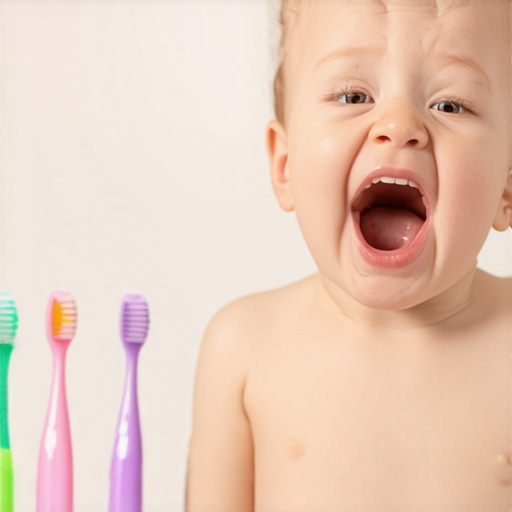
I remember the exact moment I realized my toddler’s stubbornness about brushing was more than just typical tantrums—she was genuinely refusing, hiding behind the sofa, and clutching her toothbrush like it was a foreign object. It was a lightbulb moment that made me rethink how I approached her dental care routines. Turns out, many parents face this challenge, and it’s more common than you’d think. But here’s the thing—your child’s resistance isn’t a sign of rebellion or defiance; often, it’s about fear, unfamiliarity, or just plain old stubbornness.
What if I told you that turning this around doesn’t require magic, but understanding and some practical tweaks? Today, I promise to share proven strategies that helped my own little one become more cooperative during toothbrushing. We’ll explore why kids dig in their heels and, more importantly, how you can make brushing a positive, even joyful experience.
The real reason your toddler objects to brushing and how to fix it
Many parents think their child just hates brushing, but the truth is, it’s often about control and comfort. Toddler minds are still developing, and unfamiliar routines can trigger anxiety or defiance. I made a classic mistake early on—I forced her to sit still, thinking that repetition and firmness would do the trick. Instead, I learned that patience, choice, and making brushing a bonding moment worked better. Remember, your goal isn’t just clean teeth but fostering a lifelong attitude of good oral health.
Have you ever felt defeated, wondering why your efforts seem to backfire? You’re not alone. Honest communication and playful techniques can turn things around. For instance, involving your child in picking their toothbrush or choosing a flavored toothpaste can increase cooperation. Want more tips? Check out [top oral health tips for your family](https://familydentistpro.com/top-oral-health-tips-for-your-familys-bright-smiles) to start changing the brushing game now.
Set the Stage for Success
Begin by creating a routine that feels safe and predictable. Choose a specific time each day for brushing—morning and bedtime—and stick to it. I once tried changing the time randomly, which confused my daughter and made her more resistant. Establishing consistency signals that brushing is a normal part of daily life, rather than a surprise or punishment.
Make It Playful and Engaging
Transform brushing into a game. For example, use a stopwatch to challenge your child to brush for two minutes or sing a favorite song during the routine. One morning, I turned brushing into a race where she was the superhero saving her teeth from cavities. Not only did she brush longer, but she looked forward to these moments.
Involve Your Child in Choices
Kids crave control, so give them choices within the process. Offer two toothbrushes—one with a character they like—and let them decide which to use. Letting her pick her toothpaste flavor turned an ordinary task into a sense of ownership. This approach reduces resistance and promotes cooperation.
Use Visual Stories and Demonstrations
Children absorb information through visuals. Show them pictures of happy teeth or read a short story about a brave kid who brushes to keep cavities away. I made a simple puppet show with a toothbrush character fighting off plaque villains, which turned brushing into an adventure. This method can demystify the experience and reduce fears.
Create a Bonding Time
Pair brushing with closeness. Hold your child in your lap or sit face-to-face, making eye contact. Use gentle encouragement and praise. During one session, I sat with her, held her hand, and said, “You’re doing an amazing job!” The positive reinforcement made her feel proud and motivated to brush well.
Gradually Introduce New Techniques
If resistance persists, introduce gradual changes. Start with just rubbing teeth with your finger, then progress to a soft toothbrush. Keep the process gentle. Think of it like training a puppy—you don’t rush, but gently guide step by step. Over time, your child will adapt naturally.
Seek Professional Guidance When Needed
If your child’s refusal becomes intense or persistent, consult your family dentist. They can provide tailored advice or recommend behavioral techniques. Often, a professional can spot underlying fears or issues that are not obvious. Visit our contact page to find expert support in your area.
Think You Know Family Dentistry? Think Again
Many people assume that choosing a family dentist is simply about proximity or price, but the reality is far more nuanced. One common misconception is that all dentists who provide Invisalign also offer the best results; however, expertise and specialization matter significantly. For example, some practitioners focus heavily on cosmetic outcomes, while others prioritize long-term oral health, and this can dramatically influence your experience. To make an informed choice, explore the differences between providers by reading detailed reviews or consulting trusted sources like [our comprehensive guide](https://familydentistpro.com/invisalign-innovations-the-future-of-family-dentistry-revealed-at-1137-am).
Advanced Care and the Myth of One-Size-Fits-All Solutions
When it comes to crowns and other restorations, many assume that a porcelain crown is always the best choice. In reality, the optimal material depends on factors like decay severity, location in the mouth, and even aesthetic preferences. For instance, zirconia crowns offer exceptional strength, making them ideal for molars, but may appear less natural than porcelain veneers for front teeth. This complexity underscores the importance of consultation with a skilled professional, as detailed in [this expert advice](https://familydentistpro.com/why-crowns-are-a-game-changer-in-restorative-dentistry).
Why Most People Overlook Oral Health Nuances
It’s tempting to think that brushing longer or more vigorously is the key to better oral health. But this oversimplification can lead to harm, such as gum recession or enamel damage. Experts emphasize that technique and the type of toothbrush matter just as much, if not more, than duration. Soft-bristle brushes combined with proper brushing angles can make a significant difference, as highlighted in [top oral health tips](https://familydentistpro.com/top-oral-health-tips-for-your-familys-bright-smiles). . Have you ever fallen into this trap? Let me know in the comments.Maintaining a healthy smile over the years requires the right equipment and methodical routines. One essential tool I recommend is a high-quality sonic toothbrush like the Philips Sonicare DiamondClean. Its superior plaque removal capability and gentle gum care make it a game-changer for both adults and children. I personally opt for the Sonicare because its oscillating-and-vibrating technology ensures thorough cleansing, especially in hard-to-reach areas, reducing the risk of cavities and gum disease systematically. For tracking oral health and reminders, I utilize the DentiCare app, which syncs with my toothbrush to monitor brushing habits and provide personalized feedback. Integrating such technology helps establish consistency and highlights areas needing improvement, fostering better long-term results. Additionally, adopting professional whitening systems like Zoom! or Opalescence at home, under your dentist’s supervision, can maintain your smile’s brightness and boost confidence. As research indicates, employing clinical-grade tools coupled with daily routines significantly lowers the incidence of dental decay and periodontal issues over time. Moving forward, innovations like AI-powered diagnostics and teledentistry consultations are poised to make long-term oral health management more accessible and tailored. Regular maintenance with the right tools, guided by your dental professional, is the keystone of enduring oral wellness. How do I maintain my dental tools over time? I ensure I replace my toothbrush head every three months and keep my electronic device clean by wiping it with alcohol wipes after each use, following the best practices outlined in dental hygiene guidelines. This proactive approach ensures maximum efficiency and hygiene. I encourage you to incorporate these advanced tools into your routine—for example, try the Sonicare DiamondClean—and experience the difference firsthand. For personalized recommendations, consult your family dentist or visit their contact page to tailor a maintenance plan suited specifically for your family’s needs.</p><h2>Lessons Learned from the Child Who Flung Her Toothbrush</h2><p>One of my biggest revelations was understanding that resistance to brushing often stems from a child’s need for control and reassurance. Instead of viewing stubbornness as defiance, I saw it as a signal to step back and make the routine more engaging. Incorporating choices—like which toothbrush to use—turned battles into cooperative moments, fostering trust and positive habits that last a lifetime. Trust me, these small shifts carried big results in my family’s oral health journey.</p><h2>Tools That Elevated My Kids’ Dental Happiness</h2><p>I found that certain resources genuinely make a difference. The Philips Sonicare DiamondClean took my child’s oral hygiene to the next level with its gentle, thorough cleaning—perfect for little sensitive gums. Additionally, using the DentiCare app helped us stay accountable and made brushing a fun, tech-friendly habit. For brighter smiles, professional whitening systems like Zoom! under our dentist’s supervision became game-changers. These tools proved invaluable because they blend innovation with practicality, ensuring my family maintains healthy, confident smiles.</p><h2>Smile Forward: Your Turn to Shine Brighter</h2><p>Remember, nurturing your family’s oral health is an ongoing adventure filled with discoveries and small victories. Embrace the journey with patience and curiosity, knowing that each positive change sets the foundation for lifelong well-being. Your efforts today ripple into healthier, happier smiles tomorrow. Ready to start transforming your family’s dental routines? Your next step awaits—reach out to your trusted family dentist and explore personalized care options that fit your unique needs.</p><p>What’s one technique you’re excited to try to make brushing more enjoyable for your child? Share your thoughts below!</p><p>,</p></div></div><nav class="navigation post-navigation" aria-label="Posts"><h2 class="screen-reader-text">Post navigation</h2><div class="nav-links"><div class="nav-previous"><a href="https://familydentistpro.com/why-your-back-teeth-ache-when-you-chew-with-your-invisalign-in/" rel="prev"><i class="font-icon-post fa fa-angle-double-left"></i><span class="meta-nav" aria-hidden="true">Previous:</span> <span class="screen-reader-text">Previous post:</span> <span class="post-title">Why your back teeth ache when you chew with your Invisalign in</span></a></div><div class="nav-next"><a href="https://familydentistpro.com/the-3-second-test-to-see-if-your-toddler-has-a-hidden-cavity-2/" rel="next"><span class="meta-nav" aria-hidden="true">Next:</span> <span class="screen-reader-text">Next post:</span> <span class="post-title">The 3-second test to see if your toddler has a hidden cavity</span><i class="font-icon-post fa fa-angle-double-right"></i></a></div></div></nav></div></div></div></div></div></div><div class=)