
Why your toddler refuses to spit out toothpaste
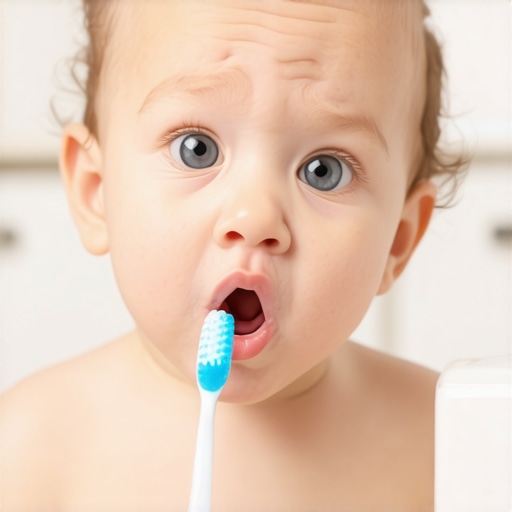
It happened again yesterday. I watched in frustration as my little one eagerly gobbled up their toothpaste, but when it was time to spit, they just closed their mouth tight, refusing altogether. I’ve been there—wondering if I was doing something wrong or if my child’s stubborn streak was just too strong. Turns out, many parents face this same challenge, and understanding why can make all the difference.
Understanding Why Toddlers Resist Spitting Out Toothpaste
Many parents assume their child is simply being stubborn or stubbornly ignoring instructions. But the truth runs deeper. Young children often haven’t yet developed the motor skills or understanding needed for spitting properly. Their mouths are still learning how to coordinate complex movements, and spitting can feel unfamiliar or even uncomfortable.
Additionally, some toddlers have a natural gag reflex that makes spitting unpleasant. This reflex is essential for protecting their airway, but it can make the act of spitting feel like a threat—prompting them to swallow or resist altogether.
On top of that, many kids associate toothpaste with a sensation they don’t enjoy—too minty, too foamy, or just too strange. This can lead to them avoiding spitting altogether, especially if they haven’t been introduced to the process gradually. I learned this the hard way early on, mistakenly pushing my child to spit without easing them into the routine, which only heightened their resistance.
But here’s the good news: with patience and the right approach, you can help your toddler become comfortable with spitting out toothpaste. Tomorrow, I’ll share the practical strategies that transformed our brushing routine—and I promise, these tips are backed by both experience and expert advice. Curious if your child’s resistance points to a larger dental issue? Keep reading.
Now, have you faced the ongoing struggle of teaching your toddler to spit after brushing? If so, you’re not alone. Many parents find this especially tricky, but knowing the reasons why can turn the challenge into an opportunity for growth. Developing effective oral hygiene habits early on sets the stage for a lifetime of healthy teeth.
Before diving into specific techniques, it’s essential to understand the common mistakes parents make which can inadvertently make things worse. For example, I once tried to force my child to spit, thinking that was the quick fix. That approach only increased their anxiety and resistance. Recognizing these missteps is the first step toward a more successful routine.
So, if you’re ready to turn the tide in your child’s oral care habits, stay tuned. We’ll look at simple, gentle methods that encourage spitting without causing discomfort or frustration. In the meantime, remember—patience and understanding are your best tools, and every little progress counts.
Use Demonstration and Play to Set an Example
First, show your child how to spitting by demonstrating yourself. Use a cute, exaggerated gesture, such as pretending to spit into the sink with a big smile. Make it fun and engaging, like a game. I remember holding a small sponge and miming a gentle spitting motion, which made my daughter giggle and imitate me. This visual cue helps kids understand the action without pressure, making the process less intimidating.
Break Down the Routine into Small, Manageable Steps
Instead of expecting your toddler to spit perfectly right away, divide the task. Start by having them rinse with a small amount of water, then gently encourage them to tilt their head forward and spit into a cup or sink. Use a visual aid, like a colorful sticker on the sink, to encourage the gesture. I once placed a rainbow sticker on the basin as a target, and my son loved aiming for it. Gradually, they gain confidence and master the motion.
Create Positive Associations with Spitting
Children are more receptive when they associate spitting with rewards. After each successful attempt, praise them enthusiastically or give a small sticker as a token of achievement. For example, I used a sticker chart, and my daughter eagerly looked forward to earning her rewards. This reinforces the behavior as something positive, reducing resistance and building habits over time.
Use Flavorful Mouth Rinses to Ease Discomfort
If your child resists spitting because of the taste or sensation, try introducing a mild, kid-friendly rinse or simply warm water with a splash of fruit juice. I remember diluting a tiny amount of fruit juice in water, making the routine more pleasant. This reduces the gag reflex and helps children associate brushing with comfort rather than discomfort. Be sure to consult your family dentist to find safe options—[learn more about oral health tips for your family](https://familydentistpro.com/top-oral-health-tips-for-your-familys-bright-smiles).
Practice Regularly with Gentle Persistence
Repetition is key. Set aside a specific time after brushing to practice spitting in a calm environment. Stay patient; progress might be slow and messy initially. I remember my son trying repeatedly, spilling water everywhere, but each attempt built familiarity. Consistent practice, combined with encouragement, gradually makes spitting routine and effortless.
Adjust Your Approach Based on Your Child’s Cues
Watch your child’s reactions—if they seem overwhelmed, take a break and try again later. Sometimes, a longer play session focusing on mouth movements can help desensitize them. Remember, every child is unique; what worked for one may need tweaking for another. Building this skill requires patience, but the long-term benefits for oral health are worth the effort.
< }Many patients and even some dental professionals hold misconceptions about common dental treatments, thinking they are straightforward or universally applicable. However, understanding the nuances can dramatically improve outcomes and patient satisfaction. For instance, a prevalent myth is that Invisalign is only suitable for mild cases, but recent advancements and expert insights show it can address complex alignments as well. To fully grasp this, visit [Invisalign myths debunked](https://familydentistpro.com/invisalign-myths-debunked-what-you-need-to-know-today), which explains the evolving scope of clear aligners.
A common oversight in family dentistry concerns the importance of personalized care. Many assume that standard routines suffice, but each family member’s oral health requires tailored strategies. For example, overusing whitening agents without professional guidance can lead to tooth sensitivity or enamel erosion, as highlighted in [top oral health tips](https://familydentistpro.com/top-oral-health-tips-for-your-familys-bright-smiles). Recognizing this nuance can prevent costly corrections later.
When it comes to crowns, a widespread mistake is underestimating their longevity and the importance of choosing the right material. Many believe all crowns are similar, but expert advice emphasizes that material selection impacts durability, aesthetics, and compatibility. Check out [crowns vs. veneers](https://familydentistpro.com/crowns-vs-veneers-which-is-better-for-your-smile-cure-at-429-pm) for a comprehensive comparison. An incorrect choice can compromise your oral health and lead to additional procedures.
In considering overall oral health, many think regular brushing and flossing are enough. While essential, these habits are just part of a larger picture involving diet, hydration, and routine dental checkups. Ignoring these facets can lead to preventable issues like tartar buildup or gum disease. In fact, [family dentistry trends](https://familydentistpro.com/family-dentistry-trends-improving-oral-health-for-all-ages) reveal that integrating advanced cleaning techniques and patient education enhances oral health dramatically.
What about the mistakes that are less obvious but equally impactful? One critical trap is neglecting early signs of dental problems, assuming they’ll resolve on their own. For example, minor sensitivity or gum bleeding might seem benign but could indicate underlying health issues. Recognizing these signs early and consulting with your dentist can prevent more severe complications, as discussed in [how to tell if your crown is cracked](https://familydentistpro.com/how-to-tell-if-your-dental-crown-is-actually-cracked).
Making assumptions about dental treatments can cause unintended damage. The key takeaway from my experience and expertise is that personalized care, informed decisions, and awareness of advanced nuances lead to healthier smiles and more satisfying results. Don’t fall into these common traps—educate yourself and ask your dental professional about what’s best for your unique needs. Have you ever fallen into this trap? Let me know in the comments.Maintaining optimal oral health requires more than just good brushing habits; it involves using the right tools and methods to ensure long-lasting results. One key aspect is investing in quality dental care items like electric toothbrushes, water flossers, and professional-grade whitening products. I personally prefer the **Philips Sonicare ProtectiveClean**, which offers superior plaque removal through sonic vibrations, significantly improving my daily routine. For touched-up cleanings and spot treatments at home, I rely on the **AirFloss Ultra**; its targeted blasts help remove debris from areas regular floss might miss, especially around crowns and bridges. Additionally, I utilize a **Gauss whitening pen** for occasional touch-ups, which keeps my smile bright without excessive sensitivity.
When it comes to professional tools, dental professionals often recommend investing in **ultrasonic scalers** for effective plaque removal during cleanings. These devices use high-frequency vibrations to dislodge tartar and debris, providing a thorough clean that extends the lifespan of restorations like crowns and veneers. Regular maintenance with such tools prevents decay and gingival inflammation, saving you from costly procedures down the line.
The future of oral health maintenance is steering towards **smart toothbrushes** equipped with Bluetooth connectivity, allowing both patients and dentists to track brushing habits and identify areas needing improvement. I see this trend becoming a standard in family dentistry, making routine care more engaging and aligned with professional recommendations.
How do I keep my dental restorations in tip-top shape over time?
One effective method is adhering to a dedicated cleaning schedule that includes gentle brushing with non-abrasive toothpaste, and using specialized brushes designed for crowns and veneers. For instance, a **TePe Interdental Brush** helps clean around bridges and along gum lines where floss might not reach comfortably, preventing plaque buildup that could compromise the restoration.
In addition, scheduling regular check-ups with your dentist ensures that any signs of wear or damage are addressed early. During these visits, the dental team might recommend professional polishing with **ultrasonic polishers** and applying sealants or protective coatings on crowns to prevent stain absorption and deterioration.
By integrating these tools and routines, you’ll not only prolong the lifespan of your dental work but also support your overall oral health. Remember to stay updated on the latest innovations—such as **digital impression systems**—which improve the accuracy of restorations and foster better long-term results. For more insights into preserving your dental investments, visit [why crowns are a game-changer in restorative dentistry](https://familydentistpro.com/why-crowns-are-a-game-changer-in-restorative-dentistry).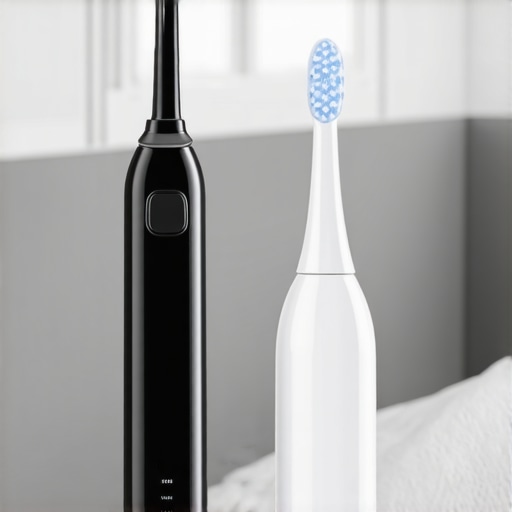
Keep one step ahead by trying out a **smart toothbrush** or a **professional-grade water flosser**; these tools make consistent maintenance easier and more effective. Don’t wait until damage occurs—start today to ensure your smile remains healthy and confident for years to come.
What I Wish I Knew About Embracing Imperfection in Dental Care
The number one lesson I learned was that perfect technique isn’t necessary for progress. Early on, I believed every brushing session should be flawless, but I realized that small, consistent efforts trump perfection. This realization eased my stress and made routines more sustainable for my family.
Why Trusting Your Unique Smile Benefits Everyone
Every smile tells a story, and understanding that personalized care surpasses generic treatments has transformed my approach. By consulting experts about treatments like crowns or Invisalign, I learned that tailored solutions lead to better long-term health. It’s about quality over quick fixes, which I now recommend wholeheartedly.
The Power of Patience in Restorative Procedures
Waiting for the right moment in dental treatments—like allowing healing time after crown placement—makes all the difference. Rushing can cause setbacks, so I now embrace patience as a key to successful outcomes, ensuring my family’s oral health remains in prime condition.
Curated Resources for Confidence in Dental Decisions
One resource I trust is The Ultimate Guide to Crowns. It offers clear, comprehensive insights that have empowered me to make informed choices. Additionally, comparing Invisalign and braces helped me understand options suitable for my children’s needs. Lastly, Top Oral Health Tips keeps our routines effective and fresh.
Now It’s Your Turn to Take Charge of Your Oral Health
Remember, every effort you make toward understanding family dentistry and Invisalign progress is an investment in your child’s future. By applying these lessons, you can create more confident, healthier smiles for your loved ones. Don’t wait—start today, and watch your family’s oral health thrive. Which step will you try first to improve your family’s dental routine? Share below—I’d love to hear your plans!