
Why your toddler’s gums look swollen before a new tooth arrives
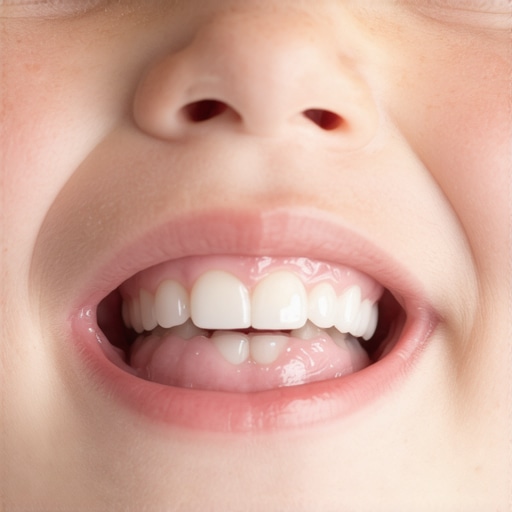
It was late at night, and I was gently trying to soothe my restless toddler. I noticed her gums were puffy and swollen—something I hadn’t seen before. Stay with me because that lightbulb moment changed the way I understood my child’s teething process. Many parents feel confused or even worried when they see swollen gums just before a new tooth erupts. Believe me, I’ve been there. The good news is, understanding why this happens and knowing how to handle it can make the teething journey smoother for everyone.
Why Your Toddler’s Swollen Gums Signal a Coming Tooth
Swollen gums are often a sign that a new tooth is on its way. During teething, the little tooth pushes through the gum tissue, causing inflammation and swelling. This process is completely normal—despite how upsetting it might look. What caught me off guard early on was thinking that the swelling meant an infection or something more serious. But in reality, it’s part of a natural process that every child goes through. Recognizing this can save you from unnecessary worry and help you provide better comfort for your little one.
Interestingly, according to the American Academy of Pediatrics, swelling during teething can sometimes be mistaken for gum disease or infection, so knowing the difference is vital. If your child’s gums look inflamed but they are still enjoying normal eating and sleeping habits, chances are they’re just teething.
Now, many parents ask, “Is swollen gums actually a sign of something more serious?” or “Could it be an infection?” These questions are valid because health concerns naturally creep in, especially if you’re new to all of this.
Initially, I made the mistake of assuming any gum swelling was alarming and rushing to the doctor. It wasn’t until I learned to distinguish typical teething symptoms from signs needing medical attention that I felt more confident. For example, persistent fever or rash alongside swollen gums could warrant a pediatrician’s visit.
In the next section, I’ll guide you through practical ways to soothe swollen gums and support your toddler through this uncomfortable stage. If you’ve noticed similar signs in your little one and want proven tips on managing teething discomfort, you’re in the right place. Let’s dive into some effective strategies to help your child (and you!) get through it more peacefully.
Apply Gentle Gum Massage to Ease Discomfort
Using clean fingers, gently massage your child’s swollen gums in circular motions. I once tried this during a restless night when my toddler was inconsolable; the soothing touch provided quick relief and helped her settle for a while. Remember, the key is gentle pressure—never force or press hard. This simple method stimulates blood flow and can reduce inflammation, making teething a bit more comfortable.
Offer Chilled Teething Toys for Instant Relief
Providing a cold teething ring or a chilled washcloth can significantly reduce swelling and soothe sore gums. I recommend chilling a clean, firm toy in the refrigerator—avoid freezing it completely to prevent frostbite. When my son was teething, giving him a cold teething ring distracted him and eased his discomfort. The cold numbs nerve endings and diminishes swelling, much like applying ice to a swollen finger.
Use Over-the-Counter Remedies with Caution
For severe discomfort, consider age-appropriate teething gels or pain relievers. Always consult your child’s pediatrician before administering any medication. I once hesitated to use teething gel but, after a quick chat with our doctor, felt more confident applying a small amount as directed. These remedies can numb pain temporarily but should be used sparingly to avoid any adverse effects.
Maintain Good Oral Hygiene to Prevent Infection
Wipe your child’s gums with a soft, damp cloth after feedings. Keeping the area clean helps prevent potential infections that can mimic or exacerbate swelling. During my experience, I developed a routine to gently clean her gums, which not only kept her mouth healthy but also made her more accustomed to oral care—an essential habit that benefits lifelong oral health. Regular cleaning removes bacteria and debris, reducing inflammation and promoting healing.
Monitor Dietary Choices for Comfort and Nutritional Support
Offer soft, cool foods such as yogurt or bananas that are easy on swollen gums. Avoid sweet or acidic foods that could irritate the tissue. I learned this by observing how my daughter reacted to different textures, and gradually we shifted to gentle, soothing options. Proper nutrition supports overall health and can diminish teething pain by reducing inflammation. Ensuring she stayed hydrated with water or diluted juice also helped soothe her gums.
when to Seek Professional Advice
If swelling persists beyond a few days, is accompanied by high fever, or seems excessively painful, consult your pediatric dentist or family dentist. I once noticed my child’s gums remained swollen and red after a week, and a quick visit to our dentist clarified that it was a normal stage of teething. However, persistent or worsening symptoms might indicate infections or other dental issues that need professional attention. Regular check-ups can also help monitor development and catch any anomalies early.
While many believe that crowns are merely cosmetic fixes or that all dental treatments are straightforward, the reality is far more nuanced. As an experienced family dentist, I’ve encountered numerous misconceptions that can lead patients astray, causing unnecessary costs or even jeopardizing oral health. Let’s explore some lesser-known facts and common pitfalls that you should be aware of to make informed decisions about your dental care.
Do Crowns Always Guarantee Long-Term Success?
Contrary to popular belief, not all crowns are created equal. Many assume that a crown is a one-size-fits-all solution that will last for decades without issue. However, the longevity of a crown depends on factors like material choice, placement technique, and your oral hygiene habits. For example, porcelain crowns are aesthetically pleasing but can be brittle if not properly designed. Additionally, improper fitting or neglecting regular check-ups can lead to crown failure or microleakage, increasing the risk of decay beneath the restoration. According to a study published in the Journal of Prosthetic Dentistry, well-fitted crowns made from durable materials can last over 15 years, but neglect can drastically reduce their lifespan. For insights on choosing the right expert for these procedures, check out [this guide](https://familydentistpro.com/choosing-the-right-crown-expert-advice-for-long-lasting-results).
Myths Surrounding Invisalign That Could Cost You
Many think Invisalign is just about aesthetics and that it’s suitable for everyone. While it’s true that Invisalign offers a clear and removable alternative to braces, it’s not a perfect fit for all cases. Severe bite issues or complex tooth movements may require traditional orthodontics. I’ve seen cases where patients prematurely switched to Invisalign believing it would resolve all alignment issues, only to face prolonged treatment or unsatisfactory results. One common trap is underestimating the importance of compliance—success with Invisalign hinges on wearing the trays as prescribed. Moreover, newer innovations like [Invisalign upgrades](https://familydentistpro.com/invisalign-vs-braces-which-solution-fits-your-lifestyle) have expanded options, but only a skilled practitioner can tailor the right approach for your unique needs. Regular consultations ensure you avoid costly errors and achieve optimal results.
The Overlooked Role of Family Dentistry in Preventive Care
Many perceive family dentistry as just routine check-ups, but it holds a pivotal role in preventing complex issues before they develop. Effective preventive strategies include early detection of cavities, gum disease, or even early signs of oral cancer. Neglecting these can lead to invasive procedures like crowns or extractions down the line. I often advise families to prioritize regular visits, as they serve as the frontline defense against advanced dental problems. Modern family practices integrate technology like digital x-rays and laser diagnostics, enhancing early detection. To stay ahead, explore the latest trends with [this comprehensive article](https://familydentistpro.com/family-dentistry-trends-improving-oral-health-for-all-ages). Remember, investing in preventive care saves time, discomfort, and money in the long run.Maintaining optimal oral health and ensuring the longevity of dental restorations like crowns and Invisalign aligners requires the right tools and techniques. Over the years, I have refined my toolkit to include specific equipment and software that enhance precision, comfort, and durability. One essential tool I rely on is the **digital intraoral scanner**. Unlike traditional impression methods, digital scanners provide high-resolution 3D images of the oral cavity, allowing for accurate fit and faster turnaround times. I personally use the iTero Element system because of its user-friendly interface and seamless integration with CAD/CAM software, which is crucial for fabricating precise crowns and aligners. This technology minimizes patient discomfort and reduces the chances of remakes, ultimately saving time and costs.
Throughout my career, I’ve uncovered lessons that many professionals and patients alike often overlook. These insights can dramatically shift how you view dental care in the broader context of crowns, oral health, and family dentistry. Let me share some of the most impactful perspectives I’ve gained along the way.
What I Learned About Long-Term Crown Success That Changed Everything
One of the most profound lessons is that the material choice and proper fitting are just the beginning. Regular maintenance and understanding your unique bite are equally critical. A poorly monitored crown can lead to unforeseen complications, prompting unnecessary replacements. This realization pushed me to emphasize educating patients about ongoing care, not just the procedure itself.
The Hidden Power of Preventive Family Dentistry
Many assume that visits are just about cleaning and checkups. I discovered that early intervention in children’s oral development saves countless future pain and expenses. Establishing strong habits and monitoring growth trends can prevent complex restorative needs down the line, reaffirming that prevention truly is better than cure.
My True Eye-Opener About Invisalign and Lifestyle Compatibility
Initially, I believed Invisalign was suitable for almost everyone with minor misalignments. However, over time, I understood that detailed examination and patient compliance are vital. For some cases, traditional solutions outperform clear aligners, especially when addressing complex bite issues. Recognizing this helped me tailor treatments more effectively, ensuring better outcomes and satisfaction.
The Role of Advanced Technology in Elevating Oral Care
Introducing digital intraoral scanners and CAD/CAM systems transformed my approach. These tools enable precise restorations and aligner fittings while enhancing patient comfort. Embracing such innovations underscores that staying at the forefront of technology directly benefits patient results and trust.
In embracing these lessons, I’ve learned that successful dental care hinges on continuous education, personalized treatment plans, and integrating technology wisely. These aren’t just concepts but actionable steps that can elevate your experience with crowns, family dentistry, and Invisalign.
Embark on Your Smiles Journey with Confidence
Remember, your smile is an evolving chapter—not a fixed moment. Whether you’re considering crowns, preventive care, or Invisalign, embracing these insights can make the process more rewarding. I encourage you to discuss these strategies with your dental professional and take proactive steps toward optimal oral health today.
Have you ever experienced a turning point in your dental journey that changed your outlook? Share your story below—I’d love to hear how you’ve transformed your approach to oral care!