
Why Your Tongue Always Feels Burned After Using Whitening Strips
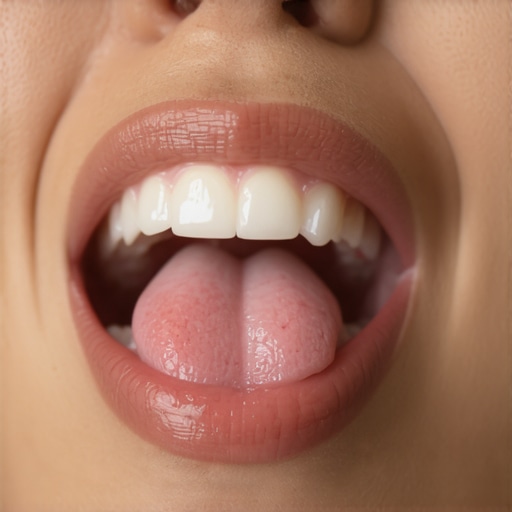
It was one of those mornings where I reached for my whitening strips, eager for a brighter smile to kickstart the day, only to be greeted by an uncomfortable burning sensation on my tongue. I thought, “Maybe I ate something too spicy?” but the burning persisted, lingering longer than I expected. That moment of discomfort was a real lightbulb—something was off, and it wasn’t just the strips that caused it. It made me wonder: why does my tongue feel like it’s been scalded after whitening treatments, and more importantly, how can I prevent this from happening again?
Understanding the Burning Feeling After Whitening Strips
Is Sensitivity Common and How to Recognize It?
Many people, including myself initially, underestimate how sensitive our oral tissues can be. The burning sensation often results from the bleaching agents in whitening strips, which can irritate or dehydrate the delicate tissues of your tongue and oral mucosa. Early on, I made the mistake of using strips more frequently to speed up the whitening process, thinking more is better. But that only worsened the irritation and prolonged the discomfort. Recognizing this sensitivity is crucial because it’s a sign that your mouth needs a gentler approach. Did you know that, according to recent studies, sensitive reactions to whitening products are among the most common complaints among users? (source: [American Dental Association](https://www.ada.org))
If you’ve experienced a burning tongue or soreness after whitening, you’re not alone, and it doesn’t mean you have to give up on your whitening goals. Instead, it’s a cue to adjust your routine and choose products better suited for sensitive mouths.
In the next section, I will walk you through practical steps that helped me reduce discomfort while still achieving that brighter smile we all desire. Ready to learn how to protect your tongue and oral tissues during whitening treatments?
Choose Gentle Products Designed for Sensitive Tissues
Select Formulated Treatments with Lower Peroxide Levels
When I first started whitening, I impulsively grabbed the strongest strips available. The result? A fierce burning sensation. I learned my lesson easily—opt for products labeled for sensitive teeth. These typically contain lower peroxide concentrations, reducing the risk of irritation. Look for options that specify they’re gentle and suitable for sensitive mouths. Visiting trusted sites like familydentistpro.com can provide guidance on choosing the right treatment.
Many patients underestimate the intricacies of modern dental procedures, often falling prey to common misconceptions that can impact their oral health and treatment outcomes. For instance, there’s a widespread belief that Invisalign is only suitable for minor misalignments, but in reality, advances in aligner technology now make it a viable solution for complex cases when paired with the right dental expertise. Relying solely on popular myths can lead to suboptimal results and unnecessary expenses.
Are We Truly Maximizing Our Dental Choices or Falling for Myths?
In my experience, a significant oversight is underestimating the importance of choosing a skilled family dentist who understands the nuances of comprehensive oral care. For example, many assume that crowns are purely for aesthetic restoration, but their role in strengthening compromised teeth and preserving oral health is often overlooked. Crowns not only restore function but also prevent further decay, emphasizing the need for expert placement and material choice.
Another common pitfall is assuming all dental sensitivity is normal or temporary. Persistent sensitivity could signal underlying issues such as enamel erosion, gum recession, or even early decay. The misconception that sensitivity diminishes by itself can delay critical intervention. Evidence from the National Institutes of Health highlights the importance of addressing sensitivity proactively to prevent more invasive procedures later.
The Advanced Mistake: Overlooking the Role of Bio-Scans in Crown Placement
For patients considering crowns, one subtle nuance often overlooked is the precision of fitting methods. Traditional impressions can be uncomfortable and prone to inaccuracies, but emerging technologies like 2026 bio-scans revolutionize this process, offering painless, highly accurate fittings. Skipping these advancements can result in crowns that feel misaligned or uncomfortable, compromising long-term durability. Have you ever fallen into this trap? Let me know in the comments! Recognizing these hidden nuances ensures you don’t just accept surface-level solutions but opt for treatments that truly serve your oral health long-term.
Keeping It Working: Essential Tools and Tips for Longevity
Maintaining your dental appliances and oral health over time requires more than just good habits; it involves investing in the right tools and adopting effective routines. As someone passionate about long-term results, I rely on specific equipment and software that help me monitor, care for, and extend the lifespan of treatments like Invisalign and crowns. Implementing these practices ensures your smile remains healthy, functional, and attractive for years to come.
Invest in a Quality Oral Hygiene System
Using a high-end electric toothbrush with precision sensors, such as the Soniclear Elite or 2026 Smart Flosser, helps remove plaque effectively, especially around orthodontic attachments and dental crowns. I personally prefer models that come with multiple brushing modes—including gum care and whitening—to customize my routine. These devices sync with smartphone apps that track your brushing patterns, providing feedback to improve technique and coverage, which is vital for maintaining appliances like Invisalign trays or crowns.
Regular use of such tools keeps your oral tissues healthy, prevents decay around crowns, and reduces the risk of gum recession—a common concern for those with extensive restorative work.
Leverage Advanced Monitoring and Scheduling Software
Staying consistent with dental care is simplified when you utilize specialty apps designed for oral health management. For example, platforms like Invisalign tracking software allow you to schedule check-ins, receive reminders for retainer replacements, and access educational tips on longevity. I use these digital tools to coordinate with my dental professional, ensuring any adjustments or replacements are made proactively rather than reactively.
In the future, expect even smarter integrations—think AI diagnostics guiding personalized maintenance routines based on your usage patterns and mouth anatomy, much like the upcoming bio-scan innovations that revolutionize crown fitting.
Routine Maintenance Keeps Results Lasting
Effective daily routines, such as flossing with interdental brushes or water flossers, are essential. I recommend tools like the 2026 Smart Flosser for their ability to reach tricky areas, especially under crowns or around Invisalign attachments. Combined with routine professional cleanings, these practices preserve the integrity of your dental restorations and prevent complications.
Another often-overlooked aspect is protecting your investments—think of it as the ‘oil change’ for your mouth. Using specially formulated remineralizing pastes or varnishes can fortify enamel and extend the life of restorations. Consult your dentist to prescribe the best options tailored to your needs.
Scalable Solutions for Whole Family Care
Managing oral health across all family members can be complex but rewarding. I recommend family-oriented tools like the 2026 Family Care System, which syncs individual profiles and schedules check-ups in one app. This approach ensures everyone stays on top of their routines, optimizing oral health and safeguarding treatment investments.
Looking ahead, technology will continue to democratize high-quality dental maintenance, making advanced diagnostics and personalized routines accessible for everyday use. For example, bio-scan technology is already paving the way for painless, precise crown fittings (more details here).
How do I keep my dental work performing like new?
The key is adopting an integrated, proactive maintenance routine leveraging the right tools and professional guidance. Try incorporating a smart toothbrush and flossing device into your daily routine, and utilize scheduling apps to stay ahead of any issues. This small investment in tools pays dividends by prolonging the effectiveness of treatments such as Invisalign and crowns, ensuring your smile remains vibrant and functional over the years. Remember, regular checkups are your best safeguard—don’t wait for problems to surface before visiting your dentist.
Over my years navigating the maze of dental treatments, I’ve uncovered insights that transformed my approach to maintaining a bright smile without discomfort. It’s one thing to achieve dazzling results but quite another to preserve oral health and avoid surprises like that burning sensation after whitening. The key lies in understanding the deeper mechanics and embracing innovations that prioritize both beauty and well-being.
Lessons From My Dental Journey That Changed Everything
- Consistency Over Aggression: Pushing through discomfort might seem efficient, but gentle, consistent routines foster healthier outcomes. I learned that patience with sensitive products yields better long-term results than rushing to see immediate whitening.
- Every Mouth Is Unique: What works wonders for one person may cause irritation for another. Personalized approaches, like choosing lower peroxide options or seeking bio-scans for precise crown fitting, prevent unnecessary pain and extend treatment longevity.
- Technology Is a Game Changer: From advanced bio-scans to smart monitoring tools, embracing technological innovations has significantly minimized discomfort and maximized effectiveness in my dental care.
- Proactive Maintenance Matters: Regular professional checkups combined with smart home tools—like precision flossers and app tracking—have kept my oral health in top shape, ensuring my treatments last longer and perform better.
- Don’t Ignore the Subtle Signs: Persistent sensitivity or unusual tastes after procedures aren’t trivial. Addressing these early with expert guidance can prevent more invasive issues later on.
Top Resources That Elevated My Dental Confidence
- FamilyDentistPro’s guide on crowns: This resource broke down how crowns strengthen teeth beyond aesthetics, making me rethink my approach to restorative work.
- Invisalign myths debunked: Understanding what Invisalign can truly offer helped me set realistic expectations and avoid costly surprises.
- Bio-scan technology insights: This innovation drastically improved crown fitting accuracy and comfort in my experience, preventing irritation and misalignments.
- Family oral health tips: Practical steps tailored for all ages ensure that everyone in my family maintains healthy, beautiful smiles without back-and-forth surprises.
Your Bright Future Starts Now
Healthy, radiant smiles are within everyone’s reach when you combine personal insight with the right tools and expert guidance. Embrace innovations like bio-scans and smart monitoring, listen to your body’s signals, and prioritize consistent, gentle routines. After all, your dental health is a lifelong investment—start today to enjoy a future free from discomfort and full of confidence.
Have you ever been surprised by sensitivity after whitening or restorative procedures? Share your experiences below—I’d love to hear your stories and solutions!