
Why your tongue feels like it’s burning after using mouthwash
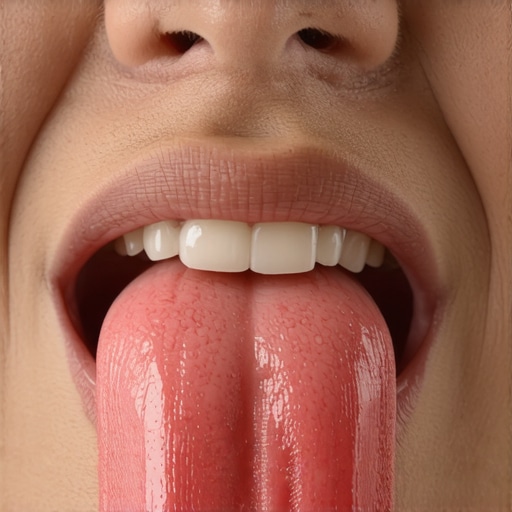
One moment, I was confidently rinsing with my favorite mouthwash, feeling fresh and crisp — and the next, my tongue felt like I’d just licked a blazing hot chili pepper. It was a jarring, uncomfortable surprise that made me stop in my tracks. If you’ve ever experienced a sudden, fiery sensation on your tongue after mouthwash, you’re not alone. This unexpected reaction took me on a journey through my own oral health and led me to discover some surprisingly simple solutions.
The Hidden Reason Behind That Burning Feeling
So, why does your tongue feel like it’s on fire after using mouthwash? The culprit often lies in the ingredients, especially alcohol-based solutions. Many commercial mouthwashes contain alcohol to kill bacteria and freshen breath, but for some, this can strip away natural moisture and irritate delicate tissues. My early mistake was ignoring my own sensitive oral tissues and choosing a harsh rinse without considering my personal oral chemistry. That oversight made me think my irritation was just a minor annoyance, but it can actually signal underlying sensitivities or issues that need addressing. According to dental health experts, alcohol in mouthwash can cause dry mouth and burning sensations, especially for individuals with already sensitive or compromised oral tissues. For more insights on oral health trends, check out this article on family dentistry trends.
Is Mouthwash Really Worth the Hype?
Initially, I believed that rinsing with any mouthwash was essential for optimal oral hygiene. But I learned the hard way that not all products are suitable for everyone, and some may do more harm than good if used incorrectly or if you’re sensitive. This realization made me question the common advice I’d been following blindly, and I want to help you avoid my rookie mistakes. Are you hesitant about switching your mouthwash or worried about side effects? You’re not alone, and there’s plenty of room for a more tailored, gentle approach to oral care. Knowing the right choices can dramatically improve your comfort and health. If you want to navigate this better, understanding the ingredients and your own sensitivities is key. To learn more about family dentistry that treats everyone’s needs, visit this guide on crowns and restorative options.
Select Gentle Alternatives for Mouthwash
Instead of reaching for alcohol-based mouthwashes that cause burning sensations, opt for alcohol-free options rich in natural ingredients like aloe vera or tea tree oil. During my own trial, I swapped out my harsh rinse for a gentle, herbal alternative, which immediately reduced my tongue irritation and made my mouth feel fresher without discomfort. Look for products with soothing components and minimal additives.
Incorporate Proper Brushing and Flossing Techniques
Effective oral hygiene extends beyond mouthwash. Use a soft-bristled toothbrush and gentle circular motions to clean teeth thoroughly. Floss daily with a proper technique—slide the floss gently between teeth, curving it around each tooth like a bow, to remove plaque without damaging gums. I once skipped flossing correctly, which led to bleeding and discomfort; mastering a gentle but effective flossing method drastically improved my gum health.
Introduce Baking Soda and Water Rinses
Make a simple rinse by mixing one teaspoon of baking soda in a cup of water—a natural way to neutralize acids and freshen breath. I started using this after noticing my mouthwash caused dryness; it provided a gentle, effective cleanse. Use this rinse once or twice daily to reduce sensitivity and combat bad odors.
Maintain Hydration and Saliva Production
Stay well-hydrated to prevent dry mouth, which exacerbates burning sensations. Chewing sugar-free gum or using saliva substitutes can also stimulate saliva flow, naturally lubricating tissues. Once, I carried a small bottle of water and a stick of sugar-free gum during busy days, which kept my mouth moist and comfortable, reducing irritation from mouthwash.
Regular Dental Check-Ups and Customized Care
Schedule routine visits with your family dentist to assess sensitivities and customize your oral care routine. They can recommend suitable products, perhaps even suggesting alternative treatments like Invisalign for misaligned teeth or protective crowns, which can improve overall mouth health. I learned that professional guidance ensures safety and efficacy, especially when dealing with sensitivities or when considering restorative options. For comprehensive solutions, exploring modern family dentistry techniques can offer tailored advice and advanced treatments.
Monitor Your Oral Environment
Pay attention to how your mouth reacts to different products and techniques. Keep a journal to track symptoms and improvements. This practice helped me identify which alternatives worked best, leading to a more comfortable and healthier oral routine without relying on harsh mouthwashes. Regular observation ensures you can make timely adjustments suited to your unique needs.
Leverage Technology for Better Results
Consider using electric toothbrushes or water flossers, which can reach difficult areas more effectively. Integrating modern devices into your routine can amplify your oral health efforts, especially if you’re sensitive to traditional mechanical tools. I tested a water flosser and noticed my gums became less inflamed and more responsive to gentle care. For insights into the latest innovations in family dentistry, check this resource.
Many people believe they understand the essentials of dental care, but misconceptions about crowns, oral health, family dentistry, and Invisalign can lead to costly mistakes. For instance, a widespread myth is that all dental crowns are the same, but in reality, selecting the right type depends on various nuanced factors like material durability, biocompatibility, and long-term maintenance. According to a recent study published in the Journal of Prosthetic Dentistry, choosing the appropriate crown type can significantly extend its lifespan and improve patient satisfaction.
Another common error involves the perception that Invisalign aligns teeth instantly. Contrary to this belief, the real effectiveness of Invisalign hinges on custom treatment planning, precise monitoring, and patient compliance. Overestimating these factors can result in prolonged treatment times or suboptimal results. For advanced readers curious about how technology shapes Invisalign, check out this article on Invisalign innovations.
What’s the biggest mistake patients make with crowns and family dentistry that could compromise their results?
One major oversight is neglecting the importance of professional guidance when choosing restorative options. Many assume that crowns or other treatments are one-size-fits-all, but without expert advice, individuals risk opting for products that are incompatible with their oral environment, which can lead to decay, sensitivity, or failure. The secret to long-lasting, healthy results lies in comprehensive consultation and tailored treatment plans. For in-depth guidance on selecting the right crown, see this expert advice article.
Beyond product choices, maintaining proper oral hygiene is often underestimated. Many assume brushing and flossing alone suffice, yet advanced care includes regular professional cleanings, monitoring for early signs of gum recession, and addressing underlying issues like misalignment or bite problems. These nuances make a significant difference in overall oral health. For the latest trends in family dentistry that focus on proactive preventive care, explore this insightful piece.
Similarly, when considering Invisalign treatment, a frequent mistake is underestimating the importance of disciplined wear and avoiding necessary adjustments. Invisalign is not a magic bullet; it demands commitment. Advanced technology allows for precise movements, but only if patients adhere to prescribed wearing schedules and attend regular checkups. Failing in this area can prolong treatment and reduce efficacy. To understand how modern tech is transforming Invisalign, review this thorough myth-busting guide.
In summary, whether it’s choosing the right crown, maintaining optimal oral health, or successfully completing Invisalign therapy, awareness of these common pitfalls and nuanced considerations can save you time, money, and discomfort. Remember, consulting with an experienced family dentist ensures your unique needs are met with expert precision. Have you ever fallen into this trap? Let me know in the comments.
Keeping Your Smile in Top Shape: My Favorite Tools and Techniques
Maintaining optimal oral health requires more than just good brushing habits; it involves using the right equipment and adopting effective routines. In my practice, I rely on specific tools backed by scientific evidence and real-world effectiveness. One essential device is the electric toothbrush with a oscillating-rotating action. I personally use the Oral-B Genius series, which has been shown in multiple studies to reduce plaque more effectively than manual brushes, especially in hard-to-reach areas. Its built-in timers also help me ensure I brush thoroughly for the recommended two minutes. For flossing, I prefer the water flosser, specifically the Waterpik Ultra. Unlike traditional floss, it effectively dislodges plaque from between teeth and below the gumline, which is crucial for preventing gingivitis. I’ve noticed a significant decline in bleeding gums since I incorporated it into my routine, especially after meals when brushing isn’t immediately feasible.
For tracking your oral health progress, I recommend using apps like MySmilePlan. These apps allow you to log daily habits, monitor symptoms, and even set reminders for replacing toothbrush heads or scheduling dental visits. Combining technology with quality tools enhances consistency and results.
How do I maintain my tools over time?
Proper maintenance of your dental devices extends their lifespan and ensures they remain hygienic. I replace my electric toothbrush heads every three months, as recommended by manufacturers, to prevent bacterial buildup and maintain cleaning efficiency. The water flosser’s nozzles need regular soaking in a disinfectant solution—about once a week—to eliminate microbes. Additionally, periodically running the devices through a vinegar rinse can descale mineral deposits and keep them functioning smoothly. Using these straightforward maintenance routines saves money and keeps your tools performing at their best.
Looking ahead, I believe technological advancements such as smart oral devices and AI-powered monitoring will become standard, providing real-time feedback and customized advice. Adopting these innovations early can keep your smile healthy and bright for years to come. If you’re ready to take your oral care to the next level, start by investing in a quality electric toothbrush and water flosser, then commit to regular maintenance. Your future self will thank you for the investments you make today.
The Hardest Lesson I Learned About crowns, oral health, family dentistry, and Invisalign
One of my biggest realizations was understanding that even the most innovative dental solutions require personalized guidance. I once assumed that a quick fix, like a crown or Invisalign aligner, would solve all my problems instantly. But I learned that without tailored treatment plans and professional oversight, these tools can become sources of frustration rather than confidence boosters. It became clear that investing in genuine expert advice is the best way to achieve long-lasting, beautiful results.
I Wish I Didn’t Overlook The Details in My Dental Care
Initially, I thought choosing the most popular brands or latest tech was enough. However, I underestimated the importance of considering materials, fit, and how my unique oral environment interacted with these solutions. For example, not all crowns are created equal—some last longer or better suit certain bite patterns. By focusing on quality and expert guidance, I discovered that my smile and health improved significantly. Check out this resource for detailed guidance on selecting the right crown.
Family Dentisty’s Role in Preventing Wasted Effort
Family dentistry isn’t just about fixing problems—it’s about prevention. I realized that regular check-ups, professional cleanings, and early detection are crucial to avoid costly mistakes and repeated treatments. My dentist’s personalized advice helped me understand how routine visits and tailored care could keep my oral health optimal. For insights on how family dentistry is evolving to prioritize prevention, explore this article.
Invisalign: More Than Just Clear Aligners
What I found surprising is that Invisalign isn’t just about the aligners—they are part of an overall treatment process that demands discipline and proper guidance. Skipping check-ins or neglecting wear schedules can delay results or cause discomfort. Seeing Invisalign as a collaborative effort with my dentist was a game-changer. Curious how technology is redefining Invisalign? Check out this update.