
Why Your Tongue Feels Raw After Using Alcohol-Based Mouthwash
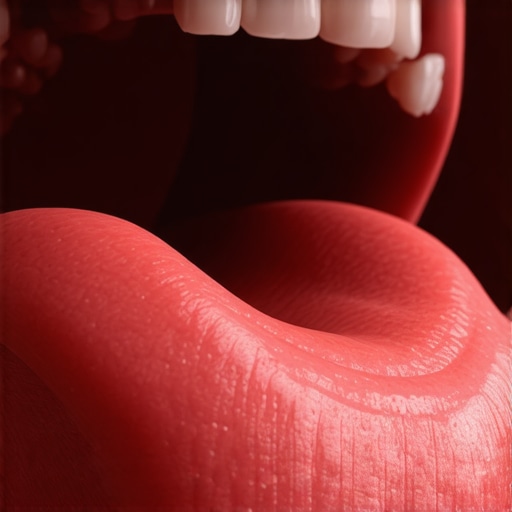
I vividly remember the first time I used an alcohol-based mouthwash before bed and woke up with my tongue feeling like I had just chewed on a handful of sand. It was shocking—an intense, burning sensation that lingered for hours. At first, I thought I had bitten my tongue or somehow damaged it during sleep, but then I realized it was the mouthwash. That uncomfortable rawness became a recurring issue, and I knew I wasn’t alone in this experience.
The Hidden truth behind that burning sensation
Many of us rely on mouthwash to keep bad breath at bay and maintain good oral hygiene. But what if the very product meant to help us aggravates our sensitive tissues instead? That burning and raw feeling after using alcohol-based mouthwash isn’t a coincidence. It’s often caused by the harsh ingredients that strip away the mouth’s natural protective layer, leaving behind irritation and soreness. According to a study published in the Journal of Clinical Periodontology, alcohol can be quite drying and damaging to oral tissues, especially when used excessively or without proper dilution. This is why so many people, including myself, face that uncomfortable aftermath.
If you’re like me, you might have made the mistake early on of choosing a mouthwash solely for its freshening power—without considering how your mouth might react. Trust me, I learned the hard way. Selecting the wrong formula can turn a helpful routine into a source of pain. The good news? With a few simple adjustments, you can prevent that raw feeling and restore comfort to your mouth. We’ll explore practical solutions to keep your smile fresh without muting your tissues’ natural defenses.
Is the hype around alcohol-based mouthwash worth it?
In my initial days, I believed that stronger was better—more alcohol meant fresher breath, right? Not quite. I found out the hard way that alcohol can be an irritant, especially if you have sensitive gums or tongue. Early on, I also overlooked the importance of reading labels carefully, which is a mistake I urge you to avoid. When it comes to oral health, choosing products tailored to your needs—like alcohol-free options—can make a world of difference. For further tips on maintaining healthy oral tissues, check out this guide.
Now that we understand why that raw feeling occurs, it’s time to look at practical steps to protect your tongue and oral tissues. Ready to transform your mouthwash routine? Let’s dive into the solutions that can give you relief and keep your breath fresh, naturally and comfortably.
Switch to Alcohol-Free Options for Gentle Freshness
Start by selecting an alcohol-free mouthwash designed for sensitive mouths. During my own experience, I replaced my harsh brand with a natural, alcohol-free variant. The first time I tried it, I noticed an immediate reduction in burning and soreness. This switch acts like replacing a rough brush with a soft one, gently cleaning without damaging delicate tissues.
Read Labels Carefully and Choose the Right Product
Always scrutinize the label before purchasing. Look for terms like “alcohol-free,” “gentle,” or “for sensitive mouths.” For example, I once grabbed a mouthwash simply because it promised fresh breath, but it was loaded with alcohol, leading to more irritation. Now, I read labels diligently, which is crucial—think of it as choosing the right tool for a delicate task.
Incorporate Rinsing Strategies That Minimize Rawness
Instead of rinsing vigorously, use a gentle swirling motion and avoid swishing excessively. When I started rinsing softly, I noticed my tongue and gums feeling less raw. This technique is akin to watering delicate plants carefully instead of using a heavy spray, preserving their natural defenses.
Use Diluted Mouthwash for Extra Care
Diluting your mouthwash with water reduces its strength, diminishing the likelihood of irritation. I experimented by mixing equal parts water and mouthwash; the burn was significantly less, yet my breath stayed fresh. Think of it like thinning paint—you get the color, but with less harshness.
Time Your Rinse and Avoid Overuse
Limit mouthwash use to once or twice daily and avoid rinsing immediately after brushing. Using it excessively, like overwatering a plant, can weaken natural defenses. My own routine now involves rinsing after meals or as needed, which keeps my mouth balanced and comfortable.
Maintain Oral Hygiene with Complementary Practices
Combine gentle mouthwash with daily flossing and brushing using a soft-bristled toothbrush. This holistic approach ensures effective cleaning without reliance on harsh chemicals. When I integrated these habits, I found my mouth remained fresh longer, and irritation diminished—it’s like strengthening your house’s foundation rather than just patching leaks.
Seek Professional Advice for Personalized Care
If irritation persists, consult your dentist for tailored recommendations. Like choosing a custom crown or Invisalign, personalized advice ensures you avoid damage and promote healing. Professional guidance can help you find the most suitable products and routines for your sensitive tissues, preventing future discomforts.
By adopting these straightforward, concrete steps, you can preserve your oral comfort while maintaining freshness. Remember, protecting your mouth’s natural defenses is key—think of your tissues as a delicate garden that needs gentle care to thrive.
 While many patients believe they’re well-informed about restorative and cosmetic dental options, misconceptions still persist that can jeopardize long-term oral health. One prevalent myth is that all dental crowns are created equal; in reality, selecting the wrong type or material without proper guidance can lead to issues like sensitivity or microleakage. For example, choosing a porcelain-fused-to-metal crown without understanding its wear implications may cause damage to opposing teeth, a nuance often overlooked by patients. Additionally, many assume that Invisalign is only suitable for mild alignment problems, but in complex cases, untreated misalignments can worsen over time, affecting bite function and even leading to temporomandibular joint disorders. It’s vital to recognize that not all dental treatments are equally effective for all situations, which is why consulting a seasoned family dentist—like those who specialize in comprehensive care—is crucial. Often, patients underestimate the importance of maintaining routine checkups alongside these treatments, assuming the devices or crowns will last indefinitely. This mistake can result in overlooked decay or underlying issues developing around restorations, leading to costly repairs. For a deeper understanding of how choosing the right crown can ensure lasting results, check out this comprehensive guide. Similarly, misconceptions about Invisalign treatment include believing it’s just a cosmetic fix rather than a health-enhancing procedure that can prevent future dental problems if properly managed. Studies in the American Journal of Orthodontics & Dentofacial Orthopedics confirm that early correction mitigates the risk of decay and wear, emphasizing the importance of timely intervention. One advanced trap to watch out for is neglecting the significance of attaching to a qualified provider; many assume that any provider offering Invisalign is equally capable, but expertise makes a substantial difference in outcomes. Improperly fitted aligners can cause discomfort, uneven movements, or relapse post-treatment. To avoid this, seek professionals experienced in the latest Invisalign techniques—details on how to choose the right expert are available here. On a broader level, some believe that regular family dental visits are only necessary when problems arise. However, routine checkups are essential for catching subtle issues like early caries or gum disease that can be missed by self-examination. Preventive care, supported by current trends in family dentistry, reduces the need for invasive procedures and saves costs over time. For insights into upcoming trends improving oral health for all ages, visit this page. In summary, debunking these myths and understanding the nuances of dental treatments empowers you to make informed decisions. Don’t fall into the trap of assumptions that can harm your smile and health; always consult with qualified professionals who prioritize personalized, evidence-based care. Have you ever fallen into this trap? Let me know in the comments.
Maintaining your dental work and oral health over the years requires more than just routine brushing and flossing. I rely on specific tools and methods that have proven effective for me personally, and I recommend them to anyone committed to keeping their smile in top shape. First and foremost, I swear by the use of an electric toothbrush equipped with a sonic cleaning action. Devices like the Oral-B Genius series or Sonicare DiamondClean provide superior plaque removal by generating thousands of vibrations per minute, which manual brushing simply can’t match. I found that using these regularly reduces build-up around crowns and Invisalign attachments, preventing long-term complications such as microleakage or decay.
Beyond brushing, I incorporate water flossers into my routine. Models like the Waterpik Ultra not only remove debris from hard-to-reach areas but also help reduce inflammation around dental restorations by flushing out bacteria. I particularly appreciate the variable pressure settings that allow me to tailor my flossing intensity without causing gum trauma. For me, this has been essential in maintaining healthy gums around sensitive crowns and implants, especially as I age.
In addition, I use specialized interdental brushes—tiny, cone-shaped tools that fit between teeth more efficiently than standard floss. These are particularly beneficial around crowns and bridges where flossing can sometimes be less effective. Regular use prevents plaque accumulation, which could otherwise lead to margin decay or secondary caries. For example, I personally prefer the TePe Interdental Brushes, which come in various sizes to match specific spaces in my mouth. This targeted cleaning is a proactive step that saves me from costly repairs down the line.
To keep track of my oral health over time, I utilize digital monitoring tools such as the BrushSmart app, synced with my electric toothbrush. The app provides feedback on my brushing patterns, encouraging me to maintain optimal technique and duration. Regular self-assessments combined with professional checkups—ideally twice a year—are the foundation of my strategy for long-term success. As dental technology evolves, I predict that personalized, AI-driven oral health management will become mainstream, providing tailored advice and early detection alerts, similar to advancements described in Dental Tech News.
How do I maintain dental restorations like crowns or Invisalign over time?
One of the most effective ways to preserve the integrity of crowns, Invisalign, and other restorations is by adopting a comprehensive routine that includes gentle yet thorough cleaning with the right tools. For instance, after each meal, use interdental brushes to prevent plaque buildup near restorations, which helps prevent microleakage and recurrent decay. Regular dental checkups are crucial—they allow your dentist to spot issues early, before they develop into more complex problems. In my experience, requesting a focused evaluation of the margins around crowns and checking the fit of Invisalign trays ensures problems are addressed promptly. Remember, proactive maintenance with high-quality tools and professional guidance can extend the lifespan of your dental work significantly.
Challenge yourself to switch to a sonic toothbrush and incorporate water flossing into your daily routine—these small changes can have a profound impact on your oral health and the longevity of your restorations. Staying ahead of potential complications ultimately saves you time, money, and discomfort, helping you enjoy a confident smile for years to come. Ready to elevate your dental care? Try integrating a water flosser today and experience the difference firsthand.
What I Wish I Knew When I Started My Dental Journey
- Realized early that not all dental treatments are one-size-fits-all, prompting me to seek personalized advice rather than relying on generic solutions.
- Discovered that waiting too long to address minor issues with crowns or Invisalign can lead to more complex, costly problems, emphasizing the importance of routine checkups.
- Learned that beginner misconceptions about dental materials, like assuming all crowns last equally long, can result in unnecessary replacements and discomfort, highlighting the need for expert guidance.
- Understood that maintaining long-term oral health requires a proactive mindset—tools, habits, and professional support working together—as opposed to reactive visits only when problems become acute.
My Go-To Resources for Smarter Dental Choices
- Top Oral Health Tips for Your Family’s Bright Smiles: Provides evidence-based advice that I trust to keep my family’s teeth healthy, age-proofing our routines.
- Why Crowns Are a Game-Changer in Restorative Dentistry: Offers deep insights into choosing durable crowns—the backbone of long-lasting restorations.
- Invisalign Myths Debunked: Clarifies common misconceptions, helping me make informed orthodontic decisions for myself or loved ones.
- Ultimate Guide to Crowns: An invaluable resource for understanding treatment options and longevity strategies.
Keep Your Smile Growing Brighter Every Day
Embarking on a journey toward better crowns, Invisalign results, and oral health isn’t just about quick fixes—it’s about cultivating habits, seeking expert guidance, and trusting resources that genuinely understand your needs. Remember, every smile is unique, and your care routine should be too. Take charge today by integrating these insights and begin building the resilient, healthy smile you’ve always wanted. What’s your biggest challenge when it comes to maintaining your dental health? Share below—I’d love to hear about your experiences and help you navigate toward a brighter future together.
}#What I Wish I Knew When I Started My Dental Journey
- Realized early that not all dental treatments are one-size-fits-all, prompting me to seek personalized advice rather than relying on generic solutions.
- Discovered that waiting too long to address minor issues with crowns or Invisalign can lead to more complex, costly problems, emphasizing the importance of routine checkups.
- Learned that beginner misconceptions about dental materials, like assuming all crowns last equally long, can result in unnecessary replacements and discomfort, highlighting the need for expert guidance.
- Understood that maintaining long-term oral health requires a proactive mindset—tools, habits, and professional support working together—as opposed to reactive visits only when problems become acute.