
Why your tooth feels numb but still hurts to the touch
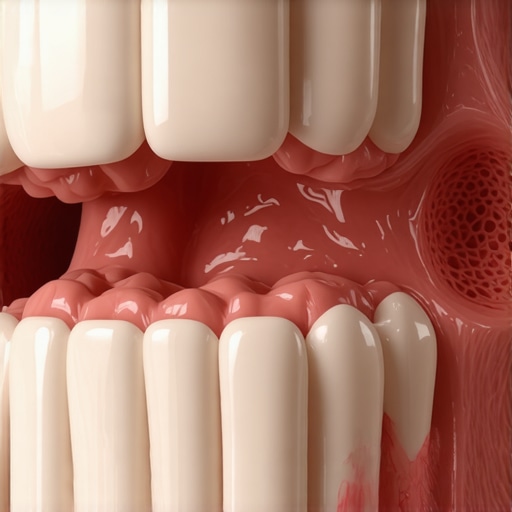
Ever had that unsettling moment when you notice your tooth feels numb, yet when you press on it or touch it with your tongue, pain still shoots through? I remember the first time I experienced this bizarre sensation. I was brushing my teeth, thinking everything was fine, until suddenly, my molar went numb, but touching it made me wince. That lightbulb moment made me realize, “This isn’t just normal sensitivity—something more is going on.”
Decoding the Numbness and Persistent Pain in Your Tooth
Could it be a sign of something deeper than cavities?
My early mistake was dismissing it as just a cracked tooth or minor sensitivity. Turns out, it could be a complications from dental procedures like crowns or even signs of infection. When your tooth feels numb but still hurts to touch, it might be a sign that the nerve is inflamed or that there’s an underlying issue that needs prompt attention. According to the American Dental Association, nerve damage or pulp infection can cause this exact sensation, and ignoring it can lead to more serious problems, including tooth loss. It’s vital to identify the root cause before it worsens. Have you experienced this kind of discomfort? If so, you’re not alone, and understanding what’s behind it is the first step to relief. In the following sections, I’ll guide you through practical steps and expert advice to address this troubling issue—whether it’s a lingering effect of dental work or a sign of an infection needing urgent care. Stay tuned to discover how to navigate this confusing dental dilemma effectively.
Assessing Your Symptoms Thoroughly
Start by noting exactly when the numbness and pain occur. Is the numbness persistent or temporary? Does pain intensify during certain times of the day? Use a journal to track these details. During my own experience, I kept a simple log that revealed pain levels increased at night, suggesting inflammation that required professional intervention. This initial assessment helps your dentist identify potential issues like nerve damage or infection.Performing Basic Oral Checks Safely
Gently examine the affected tooth and surrounding tissues for swelling, discoloration, or visible decay. Avoid probing too deeply to prevent aggravating the condition. If you notice swelling or discoloration, it’s a sign you need urgent professional care. I once tried inspecting my own crown area and saw slight redness, which prompted an immediate appointment. Remember, self-exams are just preliminary—do not attempt deep probing or anything painful.
Optimizing Your Oral Hygiene Practices
Maintain meticulous cleanliness around the affected tooth with a soft-bristled toothbrush and gentle flossing. Think of your mouth as a garden: regular care prevents weeds (bacteria) from taking over. I learned this after my own dental discomfort worsened due to inconsistent brushing. Avoid harsh mouthwashes that contain alcohol, which can irritate inflamed tissues. Instead, rinse with warm salt water to reduce inflammation and promote healing.
Adjusting Your Diet to Support Healing
Eat soft, bland foods that won’t irritate sensitive areas. Avoid very hot, cold, or acidic foods that could worsen nerve inflammation. I remember switching to smoothies and steamed veggies when my tooth was sore, which significantly eased discomfort and sped recovery.
Applying Temporary Relief Measures
Over-the-counter analgesics like ibuprofen can reduce inflammation and pain. Use topical anesthetics sparingly, such as clove oil, which has natural numbing properties. I experimented by applying a small amount of clove oil on a cotton swab to my gum line, and it provided quick relief without harsh chemicals. Be cautious with self-treatment; consult your dentist if symptoms persist or worsen.
Seeking Professional Dental Care Promptly
Schedule an appointment through https://familydentistpro.com/contact-us to get a full evaluation. Explain your symptoms in detail—how long they’ve lasted and what triggers intensify them. Professional exams, including X-rays, can detect nerve damage, infection, or issues with restorations like crowns or veneers. Remember, delaying care can lead to more complex problems, such as root infections or tooth loss. My experience taught me that early intervention made all the difference in avoiding unnecessary procedures or tooth extractions.
While many believe that regular brushing and flossing are foolproof ways to maintain oral health, the reality is far more nuanced. A common misconception is that all dental restorations, like crowns, are simple fixes, but advanced nuances exist that can significantly impact their longevity and your overall oral well-being. For instance, many assume that a crown placed today will last forever with minimal upkeep, but neglecting specific maintenance details can lead to premature wear or failure. According to the Journal of Prosthetic Dentistry, the success of crowns highly depends on proper occlusion adjustment and patient-specific factors—something overlooked by many.
Invisalign offers a modern alternative to traditional braces, and while its popularity grows, misconceptions abound. A prevalent myth is that Invisalign works for everyone; in reality, complex cases with severe misalignments often require traditional braces or hybrid approaches. Moreover, some think that Invisalign can be worn without any regard to diet or hygiene, but improper care can cause discoloration and even decay of adjacent teeth. Experts emphasize the importance of strict adherence to instructions to ensure optimal results, as discussed in the ADA’s recent guidelines.
Family dentistry, often perceived as routine, harbors its own set of advanced considerations. Many assume that seeing a general dentist once or twice a year suffices, yet recent research highlights the significance of personalized intervals based on individual risk factors. For example, patients with a history of periodontal disease may need more frequent check-ups to prevent progression. Additionally, community myths suggest that dental visits are painful and unnecessary, but advances in minimally invasive techniques have transformed experiences, making them more comfortable and preventive than ever before.
What advanced precautions should be taken to ensure the longevity of restorative treatments?
One often overlooked aspect is the importance of maintaining a tailored oral hygiene routine that considers your unique dental work and anatomy. For example, cleaning around crowns requires specific tools and techniques to prevent decay at the margins. Moreover, understanding material biocompatibility and how certain foods or habits can accelerate wear is crucial. For instance, acidic foods can erode the cement interface of crowns, leading to loosening—a mistake that’s easily avoided with proper education and care.
Another nuance involves the integration of emerging technologies, such as digital smile design and 3D printing, which enable personalized treatment plans that enhance aesthetics and function. These innovations demand that patients and practitioners alike stay informed to avoid outdated methods that could compromise results. As Dr. Susan McDonald notes in the Journal of Esthetic and Restorative Dentistry, embracing these technologies can significantly prolong the lifespan of dental restorations and improve patient satisfaction.
Ultimately, dispelling myths and understanding the complexities behind treatments like crowns and Invisalign can prevent costly mistakes and promote healthier outcomes. Are you aware of the subtle factors that might be undermining your dental health? If not, it’s worth discussing these advanced considerations with your dentist during your next appointment. Share your experiences or questions in the comments—let’s continue the conversation on how to optimize your oral health journey!
Prioritizing Precision Equipment for Long-Term Success
Maintaining optimal oral health requires more than just good habits; it demands reliable tools tailored to your unique needs. Personally, I’ve found that investing in a high-quality ultrasonic scaler, like the Sonicare DiamondClean, significantly enhances my plaque removal routine. Its sonic vibrations reach areas that manual flossing can miss, especially around complex restorations like crowns. This device has become a staple in my daily regimen, helping prevent issues that could compromise long-term results.
Additionally, I rely on a water flosser, such as the Waterpik Ultra, which effectively cleans those tight spaces between teeth and beneath orthodontic attachments. The pulsating water helps dislodge debris that brushing and traditional floss might overlook, ensuring my restorations and aligners stay clean. Regular use of this tool complements professional cleanings and reduces the risk of decay or gum disease, thus extending the lifespan of dental work.
Embracing Digital Monitoring and Software
Tracking your oral health progress over time is crucial. I use a digital health app that syncs with my intraoral camera scans, allowing me to visualize areas needing attention and monitor improvements. This personalized approach empowers me to stay consistent and catch minor issues before they escalate. For families, adopting a shared platform like Dentacoin can facilitate communication with your dental team, ensuring everyone stays informed about ongoing maintenance. The future of family dentistry hinges on integrating such software solutions to foster proactive care and tailored treatment plans.
Why Regular Maintenance Matters
Routine checkups and professional cleanings are the backbone of sustained oral health. During my visits, I request specific assessments of crown margins and Invisalign attachment integrity, ensuring no hidden problems lurk. Modern techniques, like laser decontamination, can disinfect periodontal pockets without discomfort, promoting healthier gums. Staying ahead with these advanced methods can prevent costly repairs and preserve your restorations for years to come.
Prediction: The Future of Dental Tools and Maintenance
As technology advances, expect more AI-driven diagnostics and personalized care plans. Innovations like 3D printing for custom appliances will make repairs faster and more precise, while smart brushes equipped with sensors will provide real-time feedback on brushing habits. Investing in these cutting-edge tools now positions you for a future where maintaining your smile becomes increasingly simple and effective.
How do I maintain my dental tools over time?
Proper maintenance of your oral health tools ensures longevity and optimal performance. For example, replace water flosser tips every three to six months to prevent bacteria buildup. Regularly clean ultrasonic scalers with germicidal solutions as per manufacturer instructions. Storing devices in dry, clean environments prolongs their lifespan. Remember, consistent care of your tools translates directly into better oral health outcomes, helping your restorations and aligners function flawlessly for years to come. For comprehensive personalized advice, consult your dentist or visit our contact page.
Hidden Lessons That Changed My Approach to Dental Health
- Sweet shortcuts in oral hygiene can create lasting setbacks — wisdom gained from my own mistakes has made me more diligent in daily care.
- Trusting quick fixes over comprehensive planning often leads to recurrent issues — investing in proper treatment and maintenance yields long-term rewards.
- The importance of personalized advice from trusted dental professionals cannot be overstated — their insights have saved me time, discomfort, and costs.
- Technological advancements, like digital scans or precision tools, aren’t just trends but vital for durable results — embracing innovation offers peace of mind.
Tools and Resources That Keep My Smile Bright
- The ultimate guide to crowns helped me understand how proper material selection and aftercare ensure longevity.
- The Invisalign myths busted article clarified common misconceptions, empowering me to choose the right orthodontic options.
- For daily care, high-quality tools like the Sonicare DiamondClean and Waterpik Ultra have made a measurable difference — dependable equipment supports consistent oral health routines.
- Staying informed with updates from family dentistry trends keeps me ahead of evolving best practices that protect my smile now and later.
Believe in Your Smile: Take Action Today
Your journey toward healthier, longer-lasting dental results starts with awareness and proactive steps. Don’t wait for problems to arise; embrace the innovative tools, trusted advice, and personalized care that can transform your dental experience. Remember, every step you take today is an investment in your bright, confident smile in years to come. What’s one small change you can make today to improve your dental health? Share your thoughts below and let’s inspire each other to prioritize our smiles!