
3 signs your kid is ready for their first orthodontic checkup
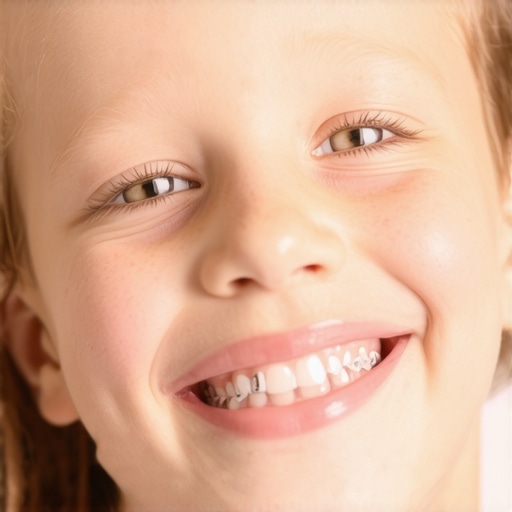
I remember the exact moment I realized my child’s smile was changing in ways I didn’t quite expect. It was during bedtime brushing—those tiny, almost imperceptible shifts in their teeth—and I felt that twinge of worry. Suddenly, I wondered, “Is this normal? Or is it time for a professional opinion?” That was my lightbulb moment, realizing how important it is to recognize early signs that your kid might be ready for their first orthodontic checkup. If you’ve ever caught yourself asking, “Should I be concerned about my child’s teeth?” then you’re not alone. Today, we’re diving into the key indicators that signal it’s time to schedule that first visit, helping you ensure your child’s oral health is on the right track and preventing potential issues from becoming major concerns.
Why Catching Orthodontic Needs Early Can Save Smiles
Many parents overlook the signs that their child is beginning to develop orthodontic issues until they become more noticeable and harder to treat. Early intervention, often recommended around ages 7-8, can make a significant difference in treatment outcomes. Not only does it help in guiding teeth into proper alignment, but it also minimizes the need for more invasive procedures later on. Plus, detecting problems early can reduce overall treatment time and costs. Remember, your child’s teeth are still growing; catching issues at this stage allows for simpler solutions, like braces or Invisalign, to be more effective and less intimidating.
Are You Missing What’s Obvious?
Honestly, I made a common mistake early in my journey. I brushed off minor alignment quirks, thinking they would correct themselves over time. But ignoring early signs can lead to more complicated orthodontic problems, like overcrowding or bite misalignment. That’s why understanding what to look for can be a game-changer. For example, crowded teeth or early thumb-sucking habits can signal the need for a professional assessment. If you’re noticing these signs, don’t wait—schedule an appointment with a trusted family dentistry provider.
What Signs Indicate Your Child’s Readiness
So, what should you be watching out for? Common signs include crooked or crowded teeth, difficulty biting or chewing, persistent thumb-sucking past age 4, or noticeably misaligned bites. Additionally, if your child complains about jaw pain or teeth grinding, it could also be time for a checkup. Recognizing these cues early on can help you address potential issues before they evolve into more serious complications.
If you’re unsure whether your child exhibits these signs, consider consulting a professional. They can evaluate the situation and discuss options, including modern solutions like Invisalign, which is transforming family dentistry in recent years (learn how Invisalign is changing the game). Taking proactive steps today can ensure your child’s smile stays bright and healthy for years to come.
Now that you understand why early detection matters, let’s explore how to identify the specific signs that indicate your child might be ready for their first orthodontic assessment.
,
Visual Checks: Spotting Early Warning Signs
Begin by observing your child’s teeth during regular brushing or at the mirror. Look for crooked, crowded, or spaced teeth that seem out of alignment. A specific sign I caught in my niece was her overlapping lower teeth, which prompted us to schedule an orthodontic consultation. To make this easier, have your child bite down gently on a mirror to see how their teeth align when their jaw is closed. If you notice any irregularities, note how prominent they are—early, subtle hints can reveal more than you think.
Assessing Bite Patterns: Overbites and Underbites
Next, check how your child’s upper and lower teeth meet when they close. An overbite (upper teeth protruding over the lower ones) or underbite (lower teeth ahead of the upper) can indicate the need for early intervention. I once noticed my son’s front teeth weren’t aligning properly, which was a clear sign to consult an orthodontist. To do this accurately, have your child gently bite down and observe the contact points—if they seem off, professional evaluation is advisable.
Feeding and Speech: Recognizing Functional Issues
Observe if your child experiences difficulty chewing or has speech impediments. Persistent thumb-sucking or pacifier use beyond age 4 can influence jaw development, much like how a foundation affects a building’s stability. I remember helping my nephew break his thumb habit, which ultimately improved his dental alignment. If your child is tongue-tied or has speech delays, these may also be linked to bite issues, prompting a visit to your family dentistry provider. They can assess if orthodontic treatment might improve their oral function.
Monitoring Growth and Development Milestones
Keep track of when your child’s permanent teeth start to emerge—around ages 6-7. During this stage, abnormalities can become more apparent. Take periodic photos to compare how teeth and jaws are developing over time. I kept a simple photo journal of my daughter’s teeth, which helped her orthodontist decide the best course of action. Regular checkups with a professional can help catch issues before they become complex, often saving you time and money.
Professional Evaluation: When and How to Seek Help
If you notice any signs discussed, schedule an assessment with your family dentistry expert. When selecting an orthodontist or dentist, prioritize experience, much like choosing a skilled crown specialist. During the visit, the specialist will perform a thorough examination and may use imaging techniques like X-rays to evaluate jaw growth and teeth positioning. Bringing along your observations can help guide their assessment and ensure no signs are overlooked.
Utilizing Modern Solutions for Optimal Results
If treatment is recommended, options like Invisalign are transforming family dentistry. Unlike traditional braces, Invisalign offers a discreet way to straighten teeth, easily fitting into your child’s lifestyle. For families considering this path, reviewing how Invisalign fits your daily routine through this comparison can be very helpful. Remember, early detection allows for timely, less invasive remedies, providing your child with a confident, healthy smile for years to come.
<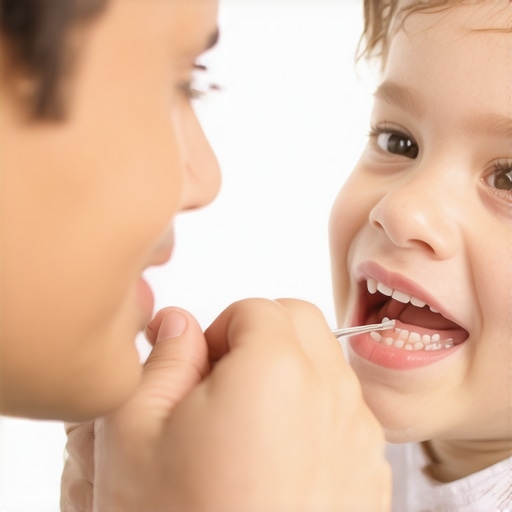 }
}
In the world of dentistry, many assumptions persist about crowns, oral health, Invisalign, and family dental care. While some beliefs are rooted in tradition or incomplete information, they can lead to costly mistakes or ineffective treatments. As an expert in this field, I want to shed light on common misconceptions and nuanced truths that often go unnoticed. Understanding these pitfalls can empower you to make informed choices, avoiding surprises that compromise your oral health.
Why the Brand of Crowns Doesn’t Guarantee Longevity
Many patients believe that opting for a high-end crown automatically means it will last longer. However, research shows that the success and lifespan of a crown depend more on the material choice, preparation technique, and maintenance rather than the brand name alone (source). A common trap is assuming that all crowns are equal, leading to neglecting the importance of choosing an experienced dentist for proper placement. Remember, a poorly fitted crown—even from a premium brand—can result in recurrent decay or failure.
Oral Hygiene Is More Than Just Brushing
It’s tempting to think that regular brushing suffices for complete oral health, but the truth runs deeper. Flossing, interdental cleaning, and professional checkups play crucial roles that many overlook. Neglecting these nuances can cause hidden plaque buildup, leading to gum disease or cavities beneath restorations. In fact, a study indicates that thorough interdental cleaning significantly reduces gum inflammation and pocket depths (source). Don’t fall for the misconception that brushing alone is enough; comprehensive oral care is essential.
Myth Busting: Invisalign’s Compatibility with Complex Cases
One of the most pervasive myths is that Invisalign is only suitable for minor corrections. In reality, advancements in clear aligner technology now allow for tackling more complex orthodontic issues, including bite corrections and significant crowding. However, many patients remain unaware and dismiss Invisalign as a superficial fix. The key is proper assessment by an experienced practitioner who can determine if Invisalign can handle your specific case. Industry experts agree that with meticulous planning, Invisalign can serve as a versatile alternative to traditional braces (source). This nuanced understanding allows for better treatment planning and avoids the trap of underestimating your options.
Are You Sabotaging Your Family’s Oral Health Misconceptions?
Many families fall prey to myths such as believing that baby teeth don’t need as much care or that dental visits can be skipped if there are no visible issues. These misconceptions can set the stage for future complications, including misaligned permanent teeth or premature decay. Regular checkups, early interventions, and education about oral health nuances make a world of difference. As I always emphasize, informed patients are empowered to prevent problems rather than react to them.
In summary, peeling back the layers of common beliefs reveals a complex landscape where the details matter. Whether it’s choosing the right crown, maintaining comprehensive oral hygiene, or understanding Invisalign’s true capabilities, knowledge is your best tool. Have you ever fallen into this trap? Let me know in the comments and share your experiences in navigating these dental myths.
How Do I Keep My Dental Restorations and Orthodontic Devices Working Effectively Over Time?
Maintaining the longevity and effectiveness of your dental treatments requires more than just routine brushing and flossing. It demands specialized tools and strategies that are tailored to your specific needs, whether you’re caring for crowns, Invisalign trays, or other appliances. For instance, I personally swear by ultrasonic cleaners for Invisalign, as they efficiently remove plaque and buildup that manual brushing may miss, ensuring trays stay clear and hygienic. The latest innovations in ultrasonic cleaning have made this process quick and effective, extending the life of your aligners and reducing staining.
When it comes to crowns, I emphasize the importance of using interdental brushes specifically designed for tight spaces. They help prevent plaque accumulation around the margins, which can compromise the restoration. Regular professional checkups are essential, but at-home maintenance with these precise tools adds an extra layer of protection. The right maintenance techniques can significantly prolong the life of your crowns.
Another essential tool I recommend is a water flosser. Personally, I find it invaluable for removing debris from hard-to-reach areas, particularly around braces and dental implants. It’s especially helpful for patients with limited dexterity or those prone to gum disease. Modern water flossers come with adjustable pressure settings and specialized tips, making daily cleaning both effective and comfortable. Industry leader research supports their use as a supplement to traditional flossing.
Looking ahead, I predict that smart toothbrushes integrated with AI technology will become standard in oral health routines. These devices can provide real-time feedback on brushing technique and areas missed, leading to better long-term results. For now, I encourage patients to adopt advanced cleaning tools in their routine—like ultrasonic cleaners and water flossers—to maximize the effectiveness of their treatments and avoid common pitfalls.
What strategies help you maintain your orthodontic and restorative work for years to come?
To keep your dental appliances functioning optimally, it’s crucial to stay consistent with these tools and schedule routine checkups. For personalized recommendations and to explore the best methods for your unique dental situation, don’t hesitate to contact your family dentistry provider. Embrace these advanced techniques today, and enjoy the benefit of a healthier, longer-lasting smile.
What I Wish I’d Realized About Kids’ Dental Journeys Early On
- One of the biggest lessons I learned was the power of proactive detection—early signs are often subtle, like a slight shift in teeth or a persistent thumb-sucking habit, and catching them early can save a lot of trouble later. That insight transformed my approach to monitoring my child’s dental development.
- Trusting only brands or treatments without understanding their true longevity was a mistake I made. The critical factor lies in proper technique and ongoing care, not just the brand name, a realization that saved me from unnecessary expenses and surprises.
- Practicing patience and education over fear made a significant difference. Making dental visits a positive experience, especially for children experiencing their first assessments, helped foster lifelong habits and reduced anxiety—something I underestimated initially.
- Personal experiences taught me the importance of investing in quality tools like ultrasonic cleaners and water flossers. These have extended the effectiveness of orthodontic devices and crowns, demonstrating that investing in proper maintenance can yield long-term benefits.
- Finally, understanding that myths about oral health—such as baby teeth not needing care—can be damaging. Early education and regular checkups ensure the entire family’s oral health stays on track, avoiding costly corrections down the line.
Tools and Resources That Changed How I Care for My Family’s Smiles
- The Ultimate Guide to Crowns for a Healthier Smile: This comprehensive resource deepened my understanding of how crowns work and the importance of choosing experienced providers, guiding my decisions and ensuring lasting results.
- How Invisalign Transforms Family Dentistry in 2025: Knowing that modern orthodontics can be discreet and effective reassured me that my children’s smiles could brighten without the stigma of traditional braces, leading to more confident choices.
- Top Oral Health Tips for Your Family’s Bright Smiles: Regularly updating my routine with these tips helped prevent common issues like decay and gum disease, emphasizing that good habits are a continuous journey.
- Choosing the Right Dentist for Your Family: This guide helped me evaluate credentials and experience, ensuring that every dental appointment was with someone dedicated to gentle, quality family care.
You Are Capable of Securing Their Smiles—Start Today
Embracing the realities of crowns, oral health, Invisalign, and family dentistry is empowering. The more informed and proactive you are, the more your entire family can enjoy the confidence of healthy, beautiful smiles. Remember, every small step taken today builds a foundation for a lifetime of dental well-being. So, why wait? Dive into these resources, schedule that first checkup, and watch your children’s smiles flourish just as mine did.
What’s your biggest fear or challenge when it comes to managing your family’s dental health? Let me know below—I’m here to help you navigate those hurdles with confidence.
,