
Why your child needs a mouthguard even for non-contact sports

It was a sunny Saturday afternoon, and I watched in horror as my then-8-year-old took a running leap during a casual soccer game. His face contorted painfully after a messy scramble, revealing a tooth that was suddenly jagged and bleeding. I had always believed mouthguards were only for serious contact sports—football, hockey, boxing. But that moment was my wake-up call. It hit me hard: injuries can happen anywhere, anytime, even during the most seemingly innocuous games.
Protecting Smiles in Every Play: The Hidden Necessity of Mouthguards
So, what exactly made me realize that a simple mouthguard could make all the difference? It’s the unpredictable nature of childhood sports—whether it’s a rough-and-tumble game of basketball or a friendly neighborhood kickabout. Children’s teeth are more vulnerable than we often think. According to the American Dental Association, dental injuries are among the most common traumatic injuries among school-aged children, with over 200,000 teeth lost each year due to sports accidents. Shockingly, the majority of these injuries could have been prevented with the right protective gear.
Is Wearing a Mouthguard for Non-Contact Sports Actually Worth the Hype?
When I first heard about kids needing mouthguards for non-contact sports, I admit I was skeptical. It sounded a bit overzealous—like insurance in case of a freak accident. But early on, I made the classic mistake of dismissing the importance of protection, thinking it wasn’t necessary for a casual game or a friendly match. That oversight was a lesson I learned the hard way. As parents, we tend to focus on the obvious risks and forget that even gentle, low-contact activities can lead to unexpected injuries.
This realization prompted me to research further and consult dental professionals. What I discovered is compelling. Mouthguards are not just for collision sports; they provide a buffer that absorbs impact, reducing the risk of chipped teeth, knocked-out teeth, or worse. And given how quickly a dental injury can escalate into costly and painful procedures—like crowns or implants—I knew I needed to get proactive.
If you’ve ever watched your child fall while riding a bike or stumble during a game, you understand how vulnerable their teeth really are. My goal is to help you see beyond the immediate play and consider long-term oral health. Because in the end, protecting their smile is investing in their confidence and overall well-being.
Ready to explore the types of mouthguards and how you can ensure your child’s dental health isn’t a victim of a missed opportunity? Let’s dive into the benefits and practical tips to keep those smiles safe.
—
If you’ve faced similar worries or surprises during your child’s sports activities, you’re not alone. And the good news is, there are simple steps you can take today to safeguard your little athlete’s smile. Want to learn more about choosing the right mouthguard? Check out this guide to find out how to get started with effective protection for your child’s active lifestyle.
Start with Thorough Dental Cleanings
Schedule professional cleanings at least twice a year. These cleanings remove plaque and tartar that regular brushing might miss, preventing cavities and gum disease. When I took my son for a cleaning and noticed early signs of plaque buildup, I learned the importance of consistent dental visits to maintain oral health.
Implement Effective Daily Oral Hygiene Routines
Master Proper Brushing Techniques
Brush twice daily with a soft-bristled toothbrush. Use gentle circular motions covering all surfaces. I once rushed through brushing, which led to stubborn plaque; once I adopted proper technique, my teeth felt cleaner, and issues like sensitivity decreased.
Integrate Flossing into Your Day
Floss once daily to remove debris between teeth. Make it a habit after brushing, using gentle back-and-forth motions. My experience showed that flossing can be awkward at first, but with patience, it became a quick, effective step to prevent cavities between teeth, especially around crowns or restorations.
Complement Routine Care with Specialized Products
Use mouthwash with antibacterial properties to reduce oral bacteria. For sensitive teeth, opt for desensitizing toothpaste. During a rough patch, I added mouthwash to my routine, which significantly improved my breath and reduced gingival issues.
Monitor and Address Dental Issues Promptly
Pay attention to signs of dental trouble such as bleeding gums, persistent cavities, or discomfort. Catching problems early can prevent more extensive procedures like crowns or implants. Once, I ignored minor sensitivity, which evolved into a cavity needing restorative treatment; early action saved my tooth and reduced costs.
Invest in Restorative Dental Solutions for Long-Term Health
When necessary, opt for crowns to restore damaged teeth. Crowns act like sturdy caps, protecting weak teeth from further decay. I explored the benefits of crowns and worked with my dentist to choose the best material, improving both function and appearance. Learn more about this process at this detailed guide on crowns.
Consider Advanced Orthodontic Options Such as Invisalign
If misalignment affects your oral health or confidence, Invisalign offers an discreet alternative to braces. I had a consultation and discovered that Invisalign straightens teeth progressively with clear trays that are easy to wear. Read about how Invisalign can transform family dentistry at this article.
Maintain Consistency and Regular Checkups
No plan works if neglected. Consistent visits enable your dentist to catch issues early, recommend preventive treatments, and adjust care routines. My routine includes annual checkups, ensuring that both my children and I stay on track with our oral health goals.
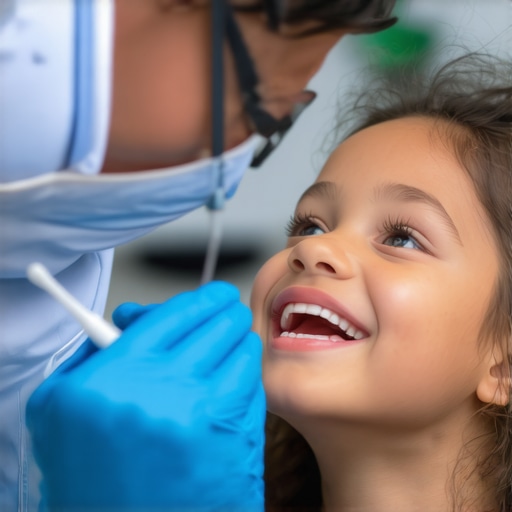 Many people believe that Invisalign treatment is just a cosmetic fix rather than a functional orthodontic solution, but in reality, it can help correct bite issues and improve overall oral health when applied properly. A widespread misconception is that family dentistry involves only basic cleaning and cavity fillings; however, modern family practices now incorporate preventive care, orthodontics, and even minimally invasive procedures, emphasizing holistic oral wellness.
What Are the Advanced Pitfalls Dentists and Patients Often Overlook with Crowns?
One of the most overlooked nuances is the importance of proper crown placement and future maintenance. Many assume that a crown is a standalone fix, but without correct fitting and regular checkups, it can lead to issues like gum recession or decay underneath. The American Dental Association highlights that a well-fitted crown can last 10-15 years, provided the patient maintains good oral hygiene. Ignoring this can result in costly repairs or replacements. Also, many dismiss the potential of crowns to restore not just function but also preserve the natural tooth structure when chosen with expertise. Learn more about how crowns are truly a game changer in restorative dentistry at this comprehensive guide.
Another common myth revolves around oral health habits; many believe that brushing harder results in cleaner teeth. In fact, excessive force can damage enamel and gums, leading to sensitivity and recession. Gentle, thorough brushing with the right technique is proven to be more effective and safer, which is emphasized in authoritative studies and dental guidelines. Incorporating soft-bristled brushes and flossing correctly can make a significant difference in maintaining healthy gums and preventing recession. For detailed tips, check out top oral health tips.
Advanced patients might also overlook the importance of inspecting their own oral health for subtle signs. For example, new or unusual gum discoloration could hint at underlying health issues that require professional attention. Recognizing these early signs and seeking prompt consultation can prevent minor issues from escalating. Additionally, understanding the nuances between different restorative options like traditional crowns versus newer materials and techniques helps in making informed decisions. For a deeper dive, visit this expert advice.
In essence, staying informed about the subtle details and debunking common myths can significantly impact your oral health journey. Regular professional checkups combined with a nuanced understanding of treatments enable you to avoid costly mistakes and enjoy a healthier, brighter smile. Have you ever fallen into this trap? Let me know in the comments.Maintaining your oral health and ensuring your dental treatments stand the test of time requires the right tools and routines. Personally, I swear by a combination of high-quality electric toothbrushes, advanced water flossers, and trusted dental apps that keep me accountable. Investing in a **Sonicare DiamondClean** has transformed my daily brushing. Its sonic technology provides superior plaque removal and gum stimulation, something I find invaluable for long-term maintenance. Additionally, I incorporate a **Waterpik Aquarius Water Flosser** into my routine, enabling me to reach areas traditional floss can’t, which is essential around crowns and implants. Regularly using these tools prevents plaque buildup and helps identify early signs of issues like recession or decay—saving me from costly repairs later on.
Embracing technology has also made a big difference. Dental apps like **MySmilePlan** sync with your oral hygiene devices, reminding you when to brush and floss, and tracking your progress. I find this accountability motivates me to stay consistent, much like how a fitness tracker keeps me on top of my workouts. For professionals managing family dentistry in the long term, I recommend combining these tools with regular checkups, which are crucial for catching problems early. Learning about the latest trends and treatments, such as advances in crowns or Invisalign, can be game-changing; for ongoing insights, explore the latest family dentistry trends.
Looking ahead, the integration of AI-driven diagnostics and personalized care plans promises to revolutionize oral health maintenance. In the meantime, mastering your daily routine with reliable tools is the best way to keep your smile healthy and strong for years to come.
How do I maintain my dental tools over time?
To ensure your tools remain effective, clean your electric toothbrush heads every three months, and replace water flosser tips as recommended—usually every six months. Regularly inspect your devices for wear and tear, and store them properly to prevent mold and bacteria buildup. Incorporating these simple habits extends their lifespan and maintains their performance, giving you consistent results in your oral health routine.
And if you’re considering adding crowns or exploring Invisalign options, remember that proper maintenance and routine checkups are key. For detailed advice on crowns, check out this comprehensive guide. Staying proactive today ensures a healthier, brighter smile tomorrow.
One of the most profound insights I gained isn’t just about teeth—it’s about embracing the small, often overlooked details that can elevate long-term dental health. I used to think that regular brushing and checkups were enough, but uncovering the subtle signs of early wear or misalignment changed my perspective entirely. Recognizing that preventive care is an ongoing dialogue with your dentist, rather than a set-it-and-forget-it task, has truly transformed my approach to oral health.
Another lightbulb moment came when I realized that materials and techniques in restorative dentistry aren’t just about fixing problems—they’re about preserving natural beauty and functionality for decades. Whether it’s crowns that blend seamlessly or Invisalign trays that gently steer teeth into position, choosing quality and expertise makes a tangible difference, often underestimated by many families.
Finally, I discovered the incredible impact of being proactive—educating myself about emerging treatments and asking the right questions. This empowered me to make decisions aligned with my lifestyle and my family’s unique needs, rather than settling for one-size-fits-all solutions. Embracing this mindset keeps me one step ahead, ensuring that my smile isn’t just healthy but resilient for years to come.