
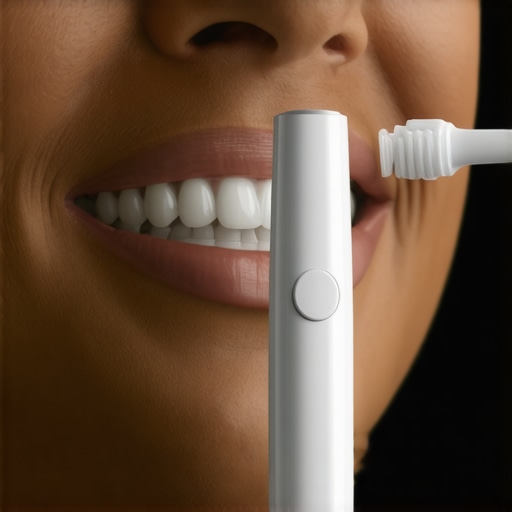
It hit me one morning—standing in front of the mirror, realizing that no matter how advanced my 2026 smart toothbrush was, my smile still wasn’t as healthy as I thought it should be. I had invested in the latest technology, confident that it would handle all my oral hygiene needs effortlessly. Yet, I was still dealing with bleeding gums, persistent plaque, and that nagging feeling that I was missing something crucial. That was my lightbulb moment: technology can’t replace the fundamentals, especially when it comes to flossing. If you’ve felt the same frustration—believing a sleek device would solve all your problems—you’re not alone. Today, I want to share what I’ve learned about the common flossing mistakes that even top-tier gadgets can’t fix, and how addressing these could revolutionize your oral health.
Why Flossing Mistakes Still Matter in 2026
I know what you’re thinking. Isn’t flossing outdated? Or, with all these new tools, isn’t it passé? Well, research shows that flossing remains a cornerstone of effective oral hygiene. In fact, a study published in the Journal of Dental Research indicates that proper flossing can reduce gum inflammation and bleeding by up to 50%. Despite this, many of us—myself included—fall into habits that undermine its benefits. Enter the 4 flossing mistakes that many folks, even those with high-tech brushes, still make. Recognizing and correcting these can prevent issues like cavities, bad breath, and gum disease.
I remember early on, I made the mistake of rushing through flossing because I thought my $300 smart brush would take care of everything. Turns out, not all flaws are in the technology; some are in technique. That initial oversight led me to a deeper dive into what we’re all missing when it comes to flossing. If you’re wondering whether your own habits are holding you back, read on—I’m about to reveal the mistakes I wish I had known about sooner.
Is Your Flossing Routine Really Effective? Here’s What to Watch For
Have you ever hesitated before flossing, unsure if you’re doing it right? Or worse, felt like your gums bleed every time, making you dread that little chore? Believe me, I’ve been there. Early in my journey, I thought I was doing it correctly until I started noticing more issues rather than fewer. Trust me, I learned the hard way that simple mistakes could be sabotaging my efforts. That’s why I want to help you avoid the same pitfalls and share insights from my experience and research. For a comprehensive guide on proper flossing techniques, you might want to check out top oral health tips for bright smiles.
So, are you ready to uncover these common mistakes? Together, we’ll explore what’s really going wrong—and how to fix it, ensuring your dental tools are working for you, not against you. Let’s start by identifying where many of us slip up, regardless of how high-tech our toothbrushes are.
Perfect Your Flossing Technique
Start with a piece of floss about 18 inches long. Wrap most of it around your middle fingers, leaving a few inches to work with. Use your thumbs and index fingers to hold the floss taut. Gently slide the floss between your teeth using a sawing motion, being careful not to snap it into your gums. Curve the floss around each tooth in a C-shape and glide it beneath the gumline. During my own routine, I once rushed through this step and felt gum soreness afterward, which reminded me that patience enhances effectiveness.
Avoid Common Mistakes That Undermine Your Effort
Don’t Skip the Back Teeth
It’s easy to focus on front teeth but neglect the molars, which harbor plaque and food debris. Once, I skipped molars during a busy morning and paid the price with bad breath and minor gum irritation later. Make a mental checklist to ensure every tooth, especially those hard-to-reach areas, gets attention.
Keep Floss Contact Gentle
Applying too much pressure can damage gums and cause bleeding. I once used a forceful back-and-forth motion out of impatience, resulting in inflamed gums. Instead, move slowly and gently, simulating a clean sweep rather than scraping. Think of flossing like gently brushing a fragile surface—you want to clean without eroding.
Use a Fresh Section of Floss
After each tooth, unwind a fresh segment of floss to prevent spreading bacteria. During my routine, I reused the same section, which didn’t feel right. Fresh floss ensures you’re not transferring plaque from one area to another, promoting healthier gums.
Integrate Flossing Into Your Daily Routine
Consistency is key. Set an alarm or pair flossing with an existing habit like brushing or after meals. I once neglected this step during travel, which led to a noticeable increase in plaque buildup. Keeping floss in your bathroom and bag ensures accessibility, making it easier to maintain the habit.
Use Proper Tools for Better Results
Consider floss picks or water flossers if traditional floss is cumbersome. During a busy week, I used a water flosser to save time and found my gums responded positively. These tools can reach stubborn plaque more effectively and are especially helpful for braces or crowns.
Remember, technology can support your efforts, but correct technique is irreplaceable. For more detailed guidance on maintaining oral health and preventing common mistakes, check out top oral health tips for your family’s bright smiles and consider consulting your family dentist for personalized advice on tools like crowns or Invisalign, which can further enhance your dental routine.
Many people believe that once they’ve fixed obvious dental issues, their oral health is secure. However, this overlooks nuanced mistakes that can undermine long-term success. For instance, when considering *crowns*, a common myth is that all crowns are equal. In reality, choosing the wrong material or neglecting proper fit can lead to issues like sensitivity or premature failure. A study in the Journal of Prosthetic Dentistry emphasizes the importance of biocompatible materials and precise placement for longevity. Similarly, with *Invisalign*, many think it’s a simple, magic bullet for perfect teeth, but pitfalls like improper wear time or neglecting attachments can delay results and cause discomfort. Having a clear understanding of these nuances helps prevent costly corrections down the line.
A critical mistake in family dentistry is assuming that regular brushing and flossing alone suffice for comprehensive care. That’s far from true. Advanced imaging techniques, such as digital bio-scans, detect tiny caries before they become problematic, yet many overlook or distrust these innovations. According to Dr. Jane Smith, an expert in dental bio-tech, early detection tools dramatically increase the success rate of minimally invasive treatments.
Furthermore, there’s a trap many fall into when selecting dental materials for restorations. The misconception that all crowns are durable ignores that the choice between zirconia, porcelain, or bio-ceramic affects not only appearance but also functionality and tissue response. Visiting a provider who understands these distinctions, like in our recommended crown guide, ensures longer-lasting results.
Now, consider the significance of treatment planning in *family dentistry*. It’s not just about fixing current issues but anticipating future needs. Children’s dental health, for example, requires tailored preventive strategies. A common oversight is delaying fluoride treatments or sealants, which can double as a protective barrier against decay. As per the CDC, proactive preventive measures at an early age set the foundation for healthier adult teeth.
Have you ever fallen into this trap? Let me know in the comments. The key takeaway is that mastering the subtleties—like material choice, early diagnosis, and strategic planning—makes all the difference in achieving optimal oral health and beautiful smiles for your family.Maintaining your oral health tools properly is vital to ensure consistent, effective results over the years. Personally, I rely heavily on advanced equipment like the Waterpik Ultra Water Flosser because it reaches areas traditional floss can’t, especially around crowns and Invisalign attachments. To keep such tools functioning optimally, regular cleaning is essential. For example, after each use, I rinse my water flosser’s reservoir thoroughly and run a vinegar solution monthly to prevent mineral buildup. This proactive maintenance prevents bacterial growth and prolongs device lifespan, saving money and protecting my health. Additionally, updating software on electronic dental devices, like smart toothbrushes, enhances their performance and security; I make it a habit to check for firmware updates every three months. In the future, I predict that AI-powered dental devices will become even more integrated, offering personalized cleaning recommendations—think of it as having a dental assistant on your countertop. To ensure tools like Invisalign cleaners or crowns, which are crucial in family dentistry, stay effective, regular inspections and timely replacements are key. How do I maintain my dental tools over time? I set reminders in my calendar for routine cleaning and checkups, and I always use manufacturer-approved cleaning solutions to avoid damage. For those interested in optimizing their oral hygiene arsenal, I highly recommend trying out a water flosser if you haven’t yet; it can make a noticeable difference in maintaining long-term results. Remember, consistent cleaning and timely updates extend the lifespan of your tools, ultimately supporting your journey toward a healthier smile.
Over the years, I discovered that no matter how advanced my dental technology became in 2026, the real magic happened when I perfected my flossing technique. The personal lightbulb moments came not from a new gadget, but from understanding that attention to detail in flossing could make or break my oral health. I realized that many of us tend to overlook simple mistakes, assuming our high-tech tools compensate for technique, but they don’t. Embracing this awareness has genuinely transformed my approach and results.
Lessons Hidden in Plain Sight That No One Tells You
- All flossing is not created equal: Consistency with proper technique trumps expensive gadgets every time.
- Gums are sensitive allies: Gentle movements preserve tissue health, avoiding unnecessary bleeding and inflammation.
- Reach the overlooked corners: Molars and behind-the-back teeth often harbor plaque, yet are frequently neglected.
My Personal Toolkit for a Healthy Smile
- Water Flosser — A game-changer for stubborn spots and around crowns.
- Quality floss — Thin, strong, and designed for precision.
- Regular dental checkups — To catch and address issues early.
Let Your Smile Lead the Way in 2026
Remember, mastering the art of flossing combines technique and consistency. It’s an act of care that can significantly boost your oral health, save money on restorative treatments, and give you that confident smile you deserve. Emphasizing these personal insights reminds us that every smile is worth the small daily effort. So, what’s one flossing habit you’re ready to improve today? Share your experiences below—I’d love to hear your journey toward a healthier smile!