
Why Your Gums Throb Only at Night After a New Dental Crown
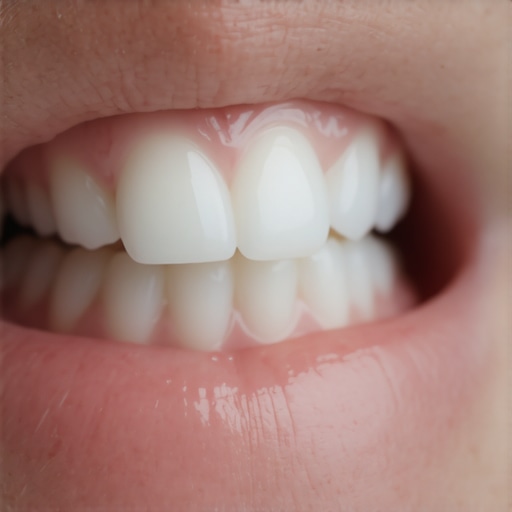
I’ll never forget the night I first noticed my gums throbbing just after getting a new dental crown. One moment, everything felt fine, and the next, I was lying in bed, feeling like my jaw had become a pulsating drum. It was unsettling, to say the least. I kept thinking, “Is this normal? Should I be worried?” That restless night was my lightbulb moment—realizing how confusing and frustrating it can be when your oral health doesn’t quite follow predictable patterns.
Understanding the Nighttime Gum Throbbing Dilemma
If you’ve recently had a dental crown placed and find yourself waking up with throbbing or aching gums, you’re not alone. This phenomenon can be disconcerting, especially when you’re unsure whether it’s a normal part of healing or a sign that something’s off. The good news is, with a little insight, you can pinpoint the cause and take effective steps to find relief.
Is This Normal or a Cause for Alarm?
Early in my journey, I made the mistake of dismissing minor discomforts as just part of the healing process—something I now understand isn’t always the case. Recognizing the difference between normal post-procedure sensations and signs of issues like infection or improper fit is crucial. If your gums throb primarily at night and persists, it might be a signal that your body is reacting to something that needs professional attention. It could be related to an ill-fitting crown, gum inflammation, or other factors.
According to dental experts, understanding that nightly discomfort isn’t necessarily “normal” can prevent complications from worsening. Therefore, it’s essential to monitor your symptoms closely and consult your dentist if the throbbing continues or worsens.
If this scenario sounds familiar, don’t hesitate to reach out to a trusted family dentist. They can evaluate your situation, ensure your crown fits correctly, and address any underlying issues before they escalate. For more information on how crowns can improve your oral health, check out this guide.
In the sections ahead, we’ll explore common causes of nighttime gum throbbing and practical steps you can take to ease your discomfort and protect your smile for the long haul. Ready to get to the bottom of this?
Pinpoint the Root Cause of Your Gum Throbbing
Identify whether your discomfort links to crown fit issues or inflammation by examining changes in your oral routine. For instance, I once noticed persistent throbbing after adjusting my flossing technique—deliberately increasing my flossing to remove debris from around the crown. If discomfort worsens or persists beyond a few days, schedule an appointment with your dentist through this contact page.
Assess the Fit of Your Crown
Perform the Bite Test
To determine if your crown is causing excess pressure, bite gently on a piece of soft wax or a clean finger to feel for uneven contact points. I recall a time when I lightly bit on a piece of gum to compare pressure distribution; I soon realized the crown was slightly high, pressing against my opposing tooth. If you experience a sharp or inconsistent bite, consult your dentist for possible adjustments or replacement options, detailed at here.
Reduce Inflammation and Discomfort
Implement anti-inflammatory measures such as rinsing with warm saltwater—mix a teaspoon of salt in a cup of warm water—and avoid irritating foods like very spicy or acidic items. I found that swishing with saltwater twice daily significantly alleviated my gum soreness, which in turn reduced throbbing sensations. Don’t forget, persistent inflammation warrants a professional exam to rule out infection or gum disease, which might require professional intervention.
Optimize Oral Hygiene Practices
Use a soft-bristled toothbrush to prevent gum irritation and employ gentle circular motions, especially around the crown margins. In one instance, I switched from a medium-hard brush to a soft one after noticing increased gum sensitivity—this simple change greatly improved my comfort and decreased nighttime throbbing. Consistent, gentle cleaning prevents plaque accumulation that can exacerbate inflammation.
Manage Nighttime Discomfort with Targeted Techniques
Applying a cold compress to your jaw for 10-15 minutes before bed can numb the area and reduce throbbing. I used a cold pack wrapped in a cloth; the reduction in discomfort helped me sleep better and minimized waking up with gum pain. Elevating your head while sleeping may also decrease blood flow to the gums, alleviating throbbing caused by pressure. Remember, lifestyle factors like stress or teeth grinding could worsen symptoms, so consider stress-reduction techniques or mouth guards if needed.
Recognize When Professional Help is Essential
If your discomfort doesn’t subside after these steps or intensifies, contact your dentist without delay. A professional evaluation can uncover issues like crown misfit, an underlying infection, or gum disease. They may adjust your crown, perform a thorough cleaning, or recommend further treatments. For comprehensive guidance on crown care, review this resource.
Monitoring and Preventive Measures
Keep a symptom diary noting the times and intensity of throbbing to help your dentist diagnose patterns or triggers. Regular dental checkups—at least every six months—are crucial, especially after crown placement. Noticing early signs of inflammation or fit issues can prevent more severe problems later. The first step is proactive communication with your healthcare provider to ensure your oral health remains optimal, which is fundamental in preventing night-time discomfort.
Many believe that maintaining good oral health is simply about brushing twice a day and visiting the dentist regularly, but there’s more beneath the surface. A common misconception is that all dental crowns are created equal; in reality, the choice of materials and the expertise behind placement can significantly influence long-term success. For instance, some think that composite crowns are just as durable as porcelain, but studies show porcelain crowns often last longer and resist staining better, especially when properly fitted—learning this helps you make better decisions, as detailed in this comprehensive guide. Additionally, many overlook the importance of family dentistry adapting to technological advances. Embracing tools like digital scans and AI-driven diagnostics can improve early detection of issues, going beyond traditional methods. It’s a trap to believe that Invisalign is only for crooked teeth; in fact, its subtle, effective approach can also correct crowding, gaps, and bite problems, and many assume it takes years—yet with proper planning, results often come quicker than expected, as discussed in this detailed analysis. What’s the most common myth you’ve encountered? Remember, choosing the right provider with advanced skills makes a huge difference. Don’t fall into the trap of assuming that all dental treatments are interchangeable; the nuances in technique and material choice can prevent costly revisions and ensure your smile lasts. Have you ever fallen into this trap? Let me know in the comments.
How do I keep my dental work functioning smoothly over the years?
Maintaining oral health, especially with crowns and Invisalign, requires more than just good brushing. I rely on specialized tools and diligent routines to ensure my restorations last and my smile remains bright. One device I swear by is the Sonicare ProtectiveClean electric toothbrush. Its sonic vibrations effectively remove plaque without irritating sensitive gums, a crucial feature for those with crowns or soft tissue concerns. I personally use the recommendation from experts to choose gentle yet thorough cleaning tools.
Complementing my toothbrush, I incorporate Waterpik Ultra Water Flosser. Unlike traditional floss, this device blasts away debris around crowns and braces, reaching areas that brushing may miss. I’ve found that using it at least once daily drastically reduces inflammation and keeps my gums healthy, prolonging the life of my dental work. For those concerned about durability, the nano-seal protective layer can be monitored through advanced techniques, but keeping the area clear of plaque is the first step.
What about digital tools to support my dental maintenance?
Modern technology offers smart solutions. I utilize Dental Monitoring software that syncs with my smartphone, allowing my dentist to review my oral health remotely. This proactive approach catches issues early, like minor discolorations or plaque buildup, before they escalate. I believe that integrating AI diagnostics will further revolutionize family dentistry, making personalized prevention more accessible. In the future, I predict these tools will become standard, helping everyone maintain their smile longer.
Long-term results depend on consistent care and smart tools
By adopting these specific devices and routine checks, I’ve managed to extend the lifespan of my crowns and Invisalign trays significantly. Regular professional cleanings, combined with at-home tech and advanced cleaning solutions, create a comprehensive defense against decay and damage. It’s wise to schedule periodic evaluations through professional consultations to ensure ongoing success.
Don’t forget, staying ahead with the latest tools isn’t just about preserving your current smile—it’s an investment into your overall health. Try incorporating a Waterpik and a smart monitoring app into your daily routine today, and experience how these small but powerful tools make a big difference in your long-term oral health.
Reflecting on my own journey through dental restorations, I realized that many common experiences—like nighttime gum throbbing—hide crucial lessons that can empower patients. The hardest lesson I learned was the importance of proactive communication with my dentist; addressing discomfort early can prevent minor issues from becoming major problems. Another insight is that not all sensations are normal, and trusting my body’s signals helped me seek timely professional advice. Lastly, I discovered that combining diligent home care with advances in dental technology creates a powerful defense against persistent discomfort, ensuring long-term success for your smile.
My Trusted Tools and Resources for Maintaining Dental Health
One resource I rely on is the comprehensive guide on crowns. It offers insights that help me understand the materials and techniques that lead to durable, comfortable restorations. I also trust the top oral health tips from family dentistry experts—they provide practical advice for daily routines. Additionally, I incorporate smart tech like remote monitoring tools, which enable proactive care and early detection of issues, keeping my dental health on track.
Your Smile, Your Power: Take the Next Step
Remember, understanding the nuances of nighttime gum throbbing and taking proactive steps can dramatically improve your comfort and oral health. Don’t wait for minor discomforts to become bigger problems—your smile deserves attentive care. Embrace innovative tools, stay informed, and maintain open communication with your dental team. Your journey toward a healthier, happier smile starts today—are you ready to take control of your oral health and make a lasting difference? Share your experiences or questions below to inspire others in their path to wellness.