
Why Brushing Your Kid’s Teeth Harder Is Actually Making Their Cavities Worse
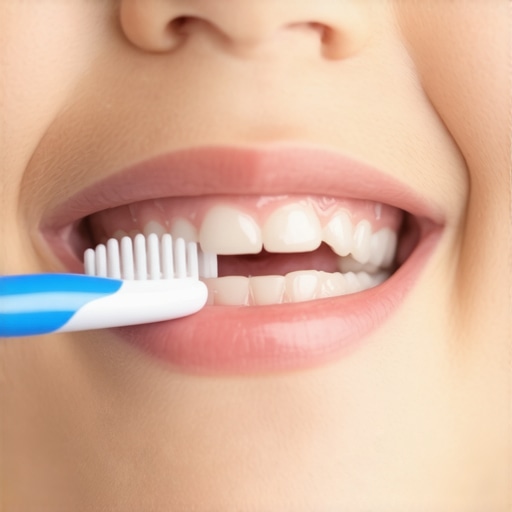
I remember the first time I cheerfully told my toddler to “brush harder!” in the hopes of fighting off stubborn cavities, only to realize days later that his teeth were more sensitive, and the little guy was developing more decay. That moment of realization hit hard—I had been unintentionally making the problem worse. If you’ve ever found yourself thinking that a firmer brush stroke would do the trick, you’re not alone. Many parents believe that intense scrubbing is the best way to keep cavities at bay, but science and experience tell a different story.
Why More Pressure Can Lead to More Cavities
Is Brushing Harder Really Better?
It’s a common misconception among parents that pushing harder when brushing can scrub away more plaque and bacteria. However, the opposite is often true. Overly aggressive brushing can damage gum tissue, wear down enamel, and create tiny spaces where cavities can develop. I learned this the hard way early in my parenting journey, when I overlooked gentle techniques and noticed my child’s gums receding and his teeth becoming more prone to decay. Such mistakes can accelerate dental problems instead of solving them.
Research from the American Dental Association supports this idea, emphasizing that gentle brushing with the right technique is far more effective and safe than applying brute force. If you’re wondering whether your brushing habits might be doing more harm than good, consider this: are your efforts leaving your child’s mouth healthier or more vulnerable?
Questions like these lead us to the core of effective dental care—understanding the right way to brush. So, how do you tell if you’re on the right track? And what can you do to actually prevent those pesky cavities without risking damage? Stay tuned because we’re about to explore proven strategies that have helped countless families clean safely and keep their kids cavity-free.
Have you ever struggled with convincing your child to use a gentle yet effective brushing technique? Share your experiences; I’ve been there too, and together, we can find solutions that work.
Master the Art of Gentle But Effective Brushing
Start with a soft-bristled toothbrush, which acts like a gentle paintbrush, cleaning without damaging delicate tissues. I vividly recall the time I switched to a smaller, softer brush for my son after noticing gum irritation from aggressive brushing. The result was noticeable—gums recovered, and cavities decreased. Use gentle circular motions, positioning the toothbrush at a 45-degree angle to the gums, covering every surface systematically.
Implement a Routine: Frequency and Timing
Establish a consistent schedule: twice a day, ideally after breakfast and before bed. Make it a family affair — set a timer or sing a song to ensure lasting at least two minutes. I once used a sand timer with my toddler, turning it into a game, which significantly improved brushing duration and coverage, leading to healthier teeth.
Focus on All Tooth Surfaces
Don’t just brush the front — target the chewing surfaces, inner surfaces, and along the gumline. Think of your mouth as a busy city; neglecting certain areas is like ignoring hidden alleyways where plaque gathers. I learned this when I noticed stubborn stains on my teenager’s molars despite regular brushing, prompting me to guide them on comprehensive coverage. Use the tip of the brush for gumline areas and the broader surface for the enamel.
Use Proper Technique to Avoid Damage
Apply light pressure—imagine brushing as gently as you would tickle a baby’s cheek. Too much force wears down enamel and causes gum recession—precursors to cavities. I once saw a family member’s gum recession worsen after unknowingly brushing too hard, which motivated me to teach the correct method. Remember, effective cleaning isn’t about pressure but technique.
Complement with Flossing and Mouthwash
After brushing, floss between teeth to remove plaque missed by the brush. Use a gentle sawing motion rather than snap-and-pull, which can hurt gums. I adopted this tip from a family dentist and instantly saw less bleeding. Finish with an alcohol-free mouthwash to reach areas the brush can’t, reinforcing your defense against decay. Visit this guide for more oral health tips.
Make It a Family Routine
Consistency is key. Create a visual chart or reward system to motivate kids to brush correctly and thoroughly. I turned brushing into a family challenge last month, and the positive peer pressure made a noticeable difference. Remember, proper technique and routine go hand-in-hand for a cavity-free smile. For advanced tips, explore family dentistry trends that incorporate behavioral strategies.
 When it comes to family dental care, many people get caught up in misconceptions that can undermine their efforts to maintain a healthy smile. One pervasive myth is that more frequent visits necessarily mean better oral health, but in reality, the quality and focus of each appointment matter more than frequency. Regular checkups are essential, but overdoing them without addressing underlying habits or misconceptions can lead to unnecessary anxiety or treatments. A more nuanced approach involves targeted preventive care based on individual risk factors.
Are Modern Dental Technologies Like Invisalign Truly Foolproof or Just Overhyped?
Many assume that clear aligners like Invisalign are a perfect solution for everyone, but they have limitations that aren’t always obvious. For instance, people often believe Invisalign can correct severe malocclusions just as effectively as traditional braces. However, studies, such as the one published in the Journal of Orthodontics, show that in cases with complex bite issues, traditional braces or even crowns may still be necessary for optimal results. It’s crucial to consult with an orthodontic specialist to assess whether Invisalign suits your specific situation.
Beware of the Silver Bullet Mentality
Another common trap is expecting a single treatment, like crowns, to solve all dental aesthetic and functional issues. Many think that crowns are just a cosmetic fix, but they are actually a complex restorative option that can protect damaged teeth and restore bite function. Yet, improper placement or neglecting underlying causes of decay or wear can lead to recurrent problems. For example, a crown that doesn’t fit correctly can cause gum overgrowth or pain, as detailed in advice from restorative experts. Always ask: Am I addressing the root cause or just patching the symptom? To learn more about how crowns can be a game-changer when used appropriately, visit this comprehensive guide.
Watch Out for Advanced Mistakes That Slip Past Beginners
Many well-meaning patients overlook subtle issues like uneven bite after Invisalign or incorrectly calibrated crowns, which can lead to long-term complications. An advanced mistake I’ve seen involves neglecting the importance of proper adhesion and fitting techniques during crown placement, risking microleakage and recurrent decay. Experts emphasize that precision in these procedures determines longevity and effectiveness. A simple mistake like ignoring a small overhang can cause gum irritation or bacterial buildup. Ensuring your family dentist uses state-of-the-art diagnostic tools and adheres to best practices is key. For sophisticated insights into maintaining optimal oral health, explore these proven tips.
Have you ever fallen into this trap? Let me know in the comments. Recognizing these misconceptions and nuanced issues ensures your family’s smile stays healthy and beautiful for years to come.Maintaining your family’s oral health over years requires more than just regular visits; it demands reliable tools and systems that ensure consistent results. Personally, I swear by the use of advanced electric toothbrushes like the Sonicare DiamondClean for their superior plaque removal and gum health benefits. Their high-frequency sonic vibrations reach beyond traditional brushing, cleaning hard-to-access areas and reducing biofilm buildup effectively. Paired with a quality water flosser such as the Waterpik Aquarius, I find that interdental cleaning becomes more thorough, especially for children or those with braces. Its pulsating jet dislodges plaque from tight spaces that manual floss often misses, and its adjustable pressure settings protect sensitive gums. For tracking long-term oral health, I recommend smart devices like the Oral-B iO Series, which analyze brushing patterns and provide feedback to improve technique. These tools integrate seamlessly with apps, offering personalized tips and reminders to maintain proper brushing angles and timing. In the future, I predict the rise of AI-powered diagnostics embedded within home devices, making preventive care more accessible and proactive. How do I maintain my family’s tools over time? Regularly replacing brush heads and floss tips as per manufacturer recommendations is vital. I also schedule monthly deep cleanings of my electric brush to remove mineral deposits, ensuring peak performance. Consistent calibration and updating software on my smart devices keep them functioning accurately. I advise families to establish a dedicated cleaning routine for their tools, much like dental checkups, to prevent bacteria buildup and ensure longevity. For a comprehensive approach, combining these trusted devices with yearly professional assessments creates a resilient foundation for oral health. Want to optimize your family’s dental routine? Try integrating a high-quality electronic toothbrush and a smart flosser this month, and observe how your oral health improves. For more insights on staying ahead in oral care, visit our recommended tips page.
Lessons That Changed My Approach to Family Dentistry
One of the biggest insights I gained was understanding that gentle, consistent care beats aggressive brushing every time. Early on, I believed that scrubbing harder would protect my kids’ teeth—only to realize it was causing more harm than good. Learning to approach dental health as a gentle art, focusing on technique rather than force, transformed my family’s oral habits and outcomes.
Another valuable lesson was realizing that routine isn’t just about frequency but about meaningful, mindful interactions. Making brushing fun and educational turned these moments into bonding opportunities rather than chores. It taught me that fostering positive feelings around dental care encourages kids to develop lifelong habits that are effective and stress-free.
Lastly, I discovered that trusting in science and experienced professionals is the key to sustainable oral health. Blindly following trendier solutions or myths can derail progress. Instead, I prioritized evidence-based practices, such as using soft-bristled brushes and personalized routine plans, which proved far more beneficial for my family’s smiles.
Tools That Revolutionized My Family’s Oral Hygiene Routine
My top recommendation is the Sonicare DiamondClean electric toothbrush. Its advanced sonic vibrations reach deep between teeth and along the gumline, making manual brushing seem primitive. I also swear by the Waterpik Aquarius water flosser, which simplifies interdental cleaning—especially for my children with braces. It’s gentle and thorough, clearing what traditional floss often misses. For ongoing progress tracking, I rely on the Oral-B iO Series, which analyzes brushing patterns and helps us improve technique over time. Combining these tools with a smart routine has made a tangible difference.
For further reading and in-depth insights, the expert tips on family oral health offer practical advice to elevate your family’s dental care game. Embracing innovative tools and science-backed routines set a foundation for healthier, happier smiles for years to come.
Your Turn to Embrace Better Dental Habits
Remember, creating a cavity-free family starts with small, consistent steps rooted in knowledge and gentle care. Don’t underestimate the power of proper technique combined with the right tools — your family’s smiles are worth it. Are you ready to rethink your approach to family dental health and incorporate these proven strategies? Share your experiences or questions below, and let’s grow together in our oral health journey.
,
Comments are closed.