
The Simple Reason Your Breath Still Smells After Using a Tongue Scraper
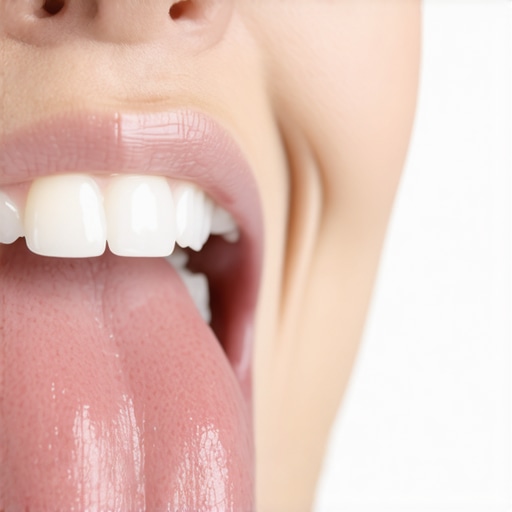
Ever had that moment in the mirror, fresh out of your morning routine, only to be hit by an unpleasant surprise? Despite diligently scrubbing your tongue with a scraper, the stubborn smell persists. It’s almost as if your mouth is mocking your effort, whispering, “Nice try, but I’m still the star of this show.” Believe me, I’ve been there, feeling frustrated and questioning my hygiene routine.
The Real Culprit Behind Lingering Bad Breath
Those helpless mornings made me realize that using a tongue scraper alone isn’t enough. The truth is, the causes of persistent breath odors are more complex and often overlooked. Early on, I made a big mistake—assuming that massaging my tongue was sufficient. Turns out, bacteria hiding in tiny crevices and other parts of the mouth play a major role. According to the American Dental Association, bacteria and dead cells lingering in the mouth can cause halitosis even when your tongue appears clean.
Why Your Breath Still Smells Post-Scraping
Many folks, including myself initially, think that a quick scrape eliminates all bacteria. But in reality, bacteria can thrive in areas that scraping misses or can reappear quickly. Plus, some odors aren’t just about the tongue; gums, teeth, and even the sinuses can contribute. So, if you’re wondering whether tongue scraping is enough, you’re not alone. Many have faced this exact dilemma and wondered if their efforts are wasted.
So, what’s the answer? Is there a more effective approach? Absolutely. Today, I’ll share insights from personal trials and research, aiming to help you finally conquer that persistent bad breath. By understanding the multilayered reasons behind odors, you can adapt your routine for real results.
Should You Ditch Your Tongue Scraper Completely?
Deep Clean Your Mouth with Proper Oral Hygiene
Start by replacing your quick rinse with a thorough cleaning routine. Use a soft-bristled toothbrush and fluoride toothpaste to brush at least twice daily, ensuring you reach all corners—especially along the gum line and in between teeth. A personal experience I had involved dedicating two minutes to carefully brushing each quadrant, which noticeably reduced morning breath odors by the next day. This approach helps eliminate plaque buildup that can harbor odor-causing bacteria.
Incorporate Flossing for Hidden Spaces
Flossing targets the stubborn plaque and food particles lodged between your teeth where brushes can’t reach. Make it a daily habit to floss thoroughly. I once skipped flossing for a day and woke up with a stronger smell; after committing to daily flossing, the morning odor diminished significantly. Recognizing the importance of this step is key to reducing bacteria that contribute to halitosis.
Use Antiseptic Mouthwash to Reduce Bacteria
After brushing and flossing, rinse with an alcohol-free, antibacterial mouthwash. It helps kill residual bacteria in the mouth. I experimented with different brands, noting that those containing chlorhexidine or essential oils provided longer-lasting freshness. Avoid overusing strong chemical rinses, as they can upset your natural oral flora. Incorporating mouthwash effectively decreases bacterial colonies responsible for foul odors.
Target Trouble Spots with Tongue Scraping and More
Complement tongue scraping with the use of a scraper or soft toothbrush on your mouth’s other bacteria hotspots—gums, inside cheeks, and the roof of your mouth. When I first added this to my routine, I noticed an immediate improvement. Spend 30 seconds on each area, paying attention to crevices where bacteria hide. This step reduces the bacterial load that can cause morning breath.
Schedule Regular Dental Checkups
Visit your family dentist regularly, ideally every six months, to ensure no underlying dental issues contribute to bad breath. Conditions like decay, gum disease, or crowns that don’t fit properly can trap bacteria. During one visit, a professional cleaning and assessment revealed a crown that needed adjustment—since then, my breath has stayed fresh longer. Expert intervention helps address persistent sources of odor that at-home care may miss.
Address Underlying Health and Lifestyle Factors
Stay aware of habits that can worsen breath, such as smoking, poor hydration, or certain foods. Additionally, conditions like sinus infections or gastrointestinal issues might require medical attention. I found that improving hydration and reducing processed foods made a notable difference in my morning freshness. Recognizing and managing these factors complements your oral care efforts.
Consider Advanced Dental Solutions When Needed
When standard cleaning isn’t enough, explore options like crowns, fillings, or Invisalign, which can restore or improve oral health, preventing bacteria build-up. For example, poorly fitted crowns can trap debris, exacerbating bad breath. Consulting with your [family dentist](https://familydentistpro.com/contact-us) can help determine the best restorative or orthodontic approach. Modern treatments ensure you maintain a clean, healthy mouth long-term.
Maintain Consistency and Awareness
The key to beating persistent bad breath is consistent care and awareness of your oral health status. Keep a checklist or routine journal, just like I did, to track improvements or setbacks. Over time, these targeted actions compound, leading to fresher mornings and healthier gums.
Many individuals operate under misconceptions about family dentistry and cosmetic procedures like Invisalign and dental crowns, often leading to avoidable mistakes. One prevalent myth is that Invisalign is only suitable for mild misalignments, but in truth, **advancements in aligner technology now handle complex cases** effectively. To explore this, check out [how Invisalign transforms family dentistry](https://familydentistpro.com/how-invisalign-transforms-family-dentistry-in-2025). Another misconception is that crowns are a quick fix for all dental issues; however, **selection of the right crown material and expert placement significantly impact durability** and aesthetics, as detailed in [choosing the right crown](https://familydentistpro.com/choosing-the-right-crown-expert-advice-for-long-lasting-results).
One hidden nuance many overlook is the importance of considering the biological response to dental materials. Not all crowns are created equal—some may cause sensitivity or allergies if not selected properly. For instance, recent studies indicate that **zirconia crowns often offer better biocompatibility** than metal-based options, thus reducing irritation and promoting healthier gums.
An often-overlooked mistake involves neglecting the advanced technology that enhances treatment success. Digital scans and 3D imaging, for example, allow for **precise fitting of crowns and aligners**, minimizing discomfort and optimizing longevity. Visiting [family dentistry trends](https://familydentistpro.com/family-dentistry-trends-improving-oral-health-for-all-ages) can reveal how these innovations are shaping patient outcomes.
Moreover, an advanced understanding suggests that patient cooperation and maintenance are vital for long-term results. Many assume that dental work is a one-and-done solution, but **regular checkups and proper hygiene practices** are essential to preserve treatments. The subtlety here is that even the best materials can fail if oral health isn’t maintained, highlighting the importance of ongoing professional guidance.
In my experience, some patients also underestimate how lifestyle choices impact dental restorations. Smoking, poor diet, and inconsistent brushing can accelerate wear and complicate recovery. Recognizing these factors can dramatically improve your results and lifespan of procedures like crowns and aligners.
Have you ever fallen into this trap of oversimplification or overlooked these nuances? Share your experiences or questions below—I’d love to hear what you think! Remember, understanding these complexities helps you make informed decisions and get the most from your family dental care.
Maintaining an effective family dentistry routine requires more than just brushing and flossing; it demands the right tools and consistent application of proven methods. One of my personal staples is the use of a sonic toothbrush like the Oral-B Genius X. Its oscillating and pulsating technology effectively disrupts plaque buildup, especially in hard-to-reach areas, ensuring a deeper clean that manual brushes often can’t achieve. I’ve found that investing in a quality electric toothbrush not only enhances cleanliness but also motivates my family to stick to daily routines because of its ease of use and real-time feedback.
Another critical tool I strongly recommend is a water flosser, such as the Waterpik Aquarius. It’s particularly effective for family members with braces or crowns, as it flushes out debris from crevices that traditional floss might miss. Regular use of a water flosser complements brushing and helps prevent gum disease, which is vital for maintaining long-term oral health. In fact, recent studies suggest that water flossers can reduce bleeding and inflammation more effectively in some patients with periodontal issues.
Beyond physical tools, embracing advanced software like AI-powered dental apps has transformed my approach to oral hygiene. These apps, such as BrushUp, analyze your brushing patterns via connected devices and offer personalized tips to improve technique. They’re excellent for ensuring the entire mouth gets uniform attention, especially for children or elderly family members who might neglect certain areas.
Looking ahead, the trend clearly points toward integrating smart technology with daily oral care routines. Devices that track and analyze oral health data are set to become more accessible, providing insights that can help catch issues before they escalate. For example, AI-integrated crown scanners now offer near-instant assessments of fit and integrity, reducing the need for repeated visits. You can learn more about how these innovations are shaping the future of family dentistry at this article.
How do I maintain my dental tools over time?
Keeping your dental tools functional and hygienic involves simple, routine maintenance. Rinse electric toothbrush heads thoroughly after each use, replacing them every three months or sooner if the bristles fray. Water flossers should be cleaned weekly with white vinegar or specialized cleaning tablets to prevent bacterial buildup. Charging stations or batteries should be checked regularly to ensure consistent performance. Just like any other device, these tools benefit greatly from proper care, which prolongs their effectiveness and ensures a healthier smile for years to come. For more tips on long-term oral health, visit this resource.
Finally, consider scheduling periodic professional assessments—modern tools like bio scans help monitor your dental health comprehensively. Incorporate these advanced approaches now to ensure your family’s smiles stay bright and healthy long-term. Don’t hesitate to try a high-quality sonic toothbrush and water flosser today—your future self will thank you for the investment in your oral health.
3 Lessons That Changed My Family Dentistry Journey
- Never underestimate the power of personalized treatment plans. I learned that each smile requires a tailored approach; generic solutions rarely lead to lasting results. Consulting your dentist to explore options like [Invisalign vs Braces](https://familydentistpro.com/invisalign-vs-braces-which-solution-fits-your-lifestyle) can make all the difference.
- Tools can transform your oral health routine. Investing in a sonic toothbrush or water flosser genuinely improved my family’s dental cleanliness. Discover my recommended tools in this article.
- Professional assessments catch issues before they become problems. Regular visits and modern diagnostics like bio scans help keep your family’s smiles healthy and bright.
My Essential Toolkit for Long-Lasting Smiles
- Electric toothbrushes like the Oral-B Genius X provide deeper clean and motivate our family to brush properly.
- Water flossers such as Waterpik Aquarius help remove debris from tricky spots, especially with braces or crowns.
- Dental apps and smart devices analyze brushing habits and identify areas that need extra attention—making your routine smarter and more effective.
- Regular professional care through checkups and advanced diagnostics ensures persistent issues are addressed early. For more about modern tools, check out how Invisalign transforms family dentistry.
Your Next Step in Caring for Smiles
Taking control of your family’s oral health might seem daunting, but with the right tools and knowledge, you can make lasting improvements. Remember, a healthy smile is a source of confidence that lasts a lifetime. Embrace these insights, and don’t hesitate to explore modern solutions like the right crowns or the latest in cosmetic dentistry. Your future self will thank you for prioritizing your family’s oral health today.
What’s Your Biggest Smile Win? Let Me Know Below
Have you ever experienced a breakthrough that transformed your approach to family dentistry or cosmetic care? Share your story or ask questions—I’m here to help you on your journey to healthier, happier smiles.
,