
Why Your Gums Bleed Only When You Use an Electric Brush
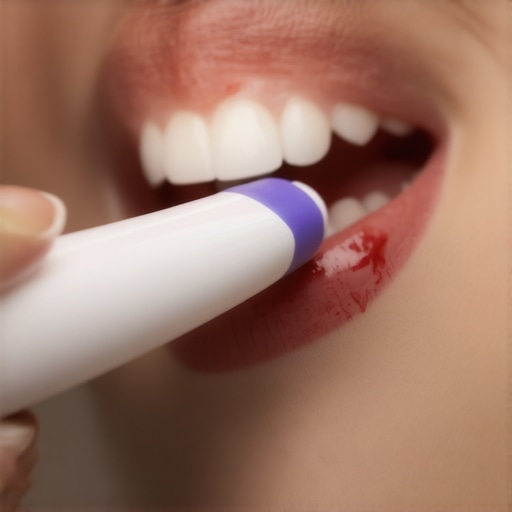
One morning, I was brushing my teeth with my new electric toothbrush and noticed something unsettling—bright red blood on my gum line. Frustrated and a bit worried, I wondered if I was doing something wrong or if I had a bigger problem on my hands. That lightbulb moment made me realize I wasn’t alone; many people experience bleeding gums, but only when they switch to powered brushes. It’s confusing and honestly a little alarming. Could my shiny new gadget be damaging me? Or is there a simple fix I’m missing?
What’s Going On When Bleeding Starts Only With an Electric Toothbrush?
That’s exactly what we’re going to explore today. I want to share what I discovered through personal experience and research—that bleeding gums during electric brushing is more common than most think, and often, it’s about technique and understanding your gums’ health. Often, the issue isn’t the toothbrush itself but how you’re using it and whether your gums are in optimal shape. If you’ve faced this, I promise there’s hope—and solutions.
Is Your New Oral Care Routine Actually Aggravating the Problem?
When I first started using an electric toothbrush, I made a classic mistake: I brushed too hard, thinking I needed to scrub away plaque vigorously. Early on, I ignored the signs of gum sensitivity, which led to bleeding. Here’s a tip—an important one I learned the hard way: gentle, proper technique matters far more than brute force. In fact, applying too much pressure with your electric brush can cause gum irritation and bleeding, especially if your gums are already inflamed or receding. For more tips on optimal oral hygiene, check out top oral health tips for your family’s bright smiles.
Another factor I overlooked initially was the condition of my gums. Bleeding might be a sign of underlying gum issues like gingivitis, which require gentle care and sometimes professional attention. Recognizing the difference between normal bleeding and something more serious is crucial. Doing so can prevent further damage and improve overall oral health. For in-depth insights, consider visiting the ultimate guide to crowns for a healthier smile.
In this post, I’ll walk you through why your gums might bleed only with an electric toothbrush, the common mistakes to avoid, and practical steps you can take today to protect your gums and enjoy healthy, bleeding-free brushing sessions. Ready to reclaim your confidence with your dental routine? Let’s dive into the root of the problem—and the solutions that can make a real difference.
**Have you experienced bleeding only when using an electric toothbrush? Share your story in the comments—I’d love to hear about your journey and how you tackled it!**
Gentle Technique Saves Your Gums
Remember how I once almost scrubbed my gums raw, thinking I was cleaning more effectively? Instead of applying force, focus on lightly gliding your electric toothbrush over your gums with minimal pressure. Use the brush’s pressure sensor if available—it’s a great tool to prevent overdoing it. During my first week, I set a timer to ensure I brushed for only two minutes, moving slowly and deliberately. This change drastically reduced bleeding and irritation.
Use the Right Brush Head
Select a soft-bristled head designed for sensitive gums. I found that replacing my brush head every three months maintained gentle cleaning and avoided bacterial buildup. Think of it as changing a worn-out paintbrush—new bristles deliver softer, more controlled strokes, preventing damage. Proper brush head choice is crucial for maintaining healthy gums and avoiding unnecessary bleeding.
Target Plaque Without Aggression
Instead of aggressive scrubbing, focus on targeting plaque in tricky spots—like behind molars or along the gum line—using gentle circular motions. I discovered that a strategic approach, concentrating on problem areas, was more beneficial than relentless scrubbing. For detailed guidance on effective brushing, check out top oral health tips for your family’s bright smiles.
Identify and Address Underlying Issues
Bleeding can signal underlying gum disease or recession. I started paying attention to signs like persistent redness or swelling. To make a significant difference, I incorporated daily flossing with a gentle technique—sliding the floss rather than snapping it against my gums—reducing trauma. Regular use of an antimicrobial mouthwash helped control bacteria, promoting healing. Think of your gums as a garden; gentle watering helps them grow strong, while harsh chemicals can cause damage.
Consult Professional Care When Needed
If bleeding persists despite improving your technique, professional evaluation is essential. A dentist can identify issues like gingivitis or early periodontitis and recommend personalized treatment. Remember, early intervention is like fixing a small crack before it becomes a bridge-breaking fracture. For tailored advice, consider reaching out to family dentistry specialists.
Maintain Consistent Oral Hygiene Habits
Establishing a routine that combines gentle brushing, proper flossing, and regular dental checkups is key. I now schedule biannual cleanings, during which my hygienist offers tips tailored to my gums’ needs. Think of your oral health as a car—you need regular maintenance to avoid breakdowns. Staying consistent prevents small issues from escalating into bleeding and discomfort.
 Many patients assume they understand dental restorations like crowns and orthodontic solutions such as Invisalign, but there’s a subtlety often missed—mistakes that can compromise long-term results. For example, a common misconception is that all crowns are created equal. In reality, the choice between milled versus 3D-printed crowns can significantly affect fit and durability. Studies show that personalized, digitally designed crowns tend to have a closer fit, reducing complications like sensitivity or recurring decay. Yet, many clinicians still opt for traditional methods without considering newer technologies that enhance precision. For comprehensive insights, check out the ultimate guide to crowns.
Another overlooked nuance in family dentistry involves the myths around routine checkups. Some believe visiting the dentist only when there’s pain or visible issues is adequate. However, such reactive care misses the advantages of preventive visits, which can identify subtle changes before they develop into serious concerns. Regular cleanings and early detection are proven to lower the risk of gum disease and decay—the foundation of lifelong oral health. For more on building a resilient oral hygiene routine, explore top oral health tips.
Advanced mistakes also crop up with aligner therapies like Invisalign. Many patients underestimate the importance of attachment placement and maintenance. For instance, improper cleaning of attachments can lead to staining or plaque buildup, disrupting smile progress. These details are critical in ensuring Invisalign functions effectively and comfortably over time. A frequent trap is neglecting the significance of attachment positioning, which can turn even a well-designed treatment plan into a prolonged, frustrating experience. To dispel common misconceptions about Invisalign, read Invisalign myths debunked.
What about the assumptions surrounding procedural longevity? Many believe that as soon as a crown is placed or an orthodontic device is affixed, the work is done. But the reality is ongoing maintenance plays a vital role. For example, consistently using the correct cleaning tools and techniques ensures your crown or braces last longer and function optimally. Failing to maintain these structures can lead to issues like crown detachment or accelerated wear, dramatically increasing future costs and discomfort. To dive deeper into ensuring your restorations stand the test of time, check out why crowns are a game-changer.
Have you ever fallen into this trap of overlooking these nuances? Let me know in the comments. Remember, understanding the finer points makes a significant difference in achieving lasting oral health and smile satisfaction. Keep questioning assumptions, and stay proactive about your dental care journey.Achieving and maintaining a healthy smile isn’t just about brushing and flossing; it requires selecting the right tools and adopting effective methods. Over the years, I’ve refined my dental routine with equipment designed for precision and comfort, ensuring long-term results and minimizing issues like gum bleeding or appliance failure. In this post, I’ll share the specific tools I personally rely on, why they matter, and where I see the future of oral health technology heading.
First and foremost, I swear by the **2026 Smart Sonic Toothbrush**. Its pressure sensor and timer have transformed my brushing habits, preventing over-aggression that can lead to gum recession or bleeding. The smart technology offers real-time feedback, helping me maintain gentle yet effective strokes—crucial for those with sensitive gums. I’ve noticed a significant reduction in irritation since fully integrating this device, and studies suggest that such tech can double the effectiveness of everyday brushing.
Next up, the **UltiClean Eco-Friendly Floss** is a game changer. Unlike traditional floss, this version uses biodegradable materials and features a textured surface that better conforms to the contours between teeth. I recommend this because it encourages consistent flossing—an often neglected but vital part of oral health. Proper flossing, especially when done gently, can reduce the risk of bleeding with appliances like crowns or Invisalign attachments.
For those considering aligner therapy, the **OrthoTrack Digital App** has been a major asset. It syncs with my Invisalign trays, tracking wear time and providing reminders. The app’s data-driven insights have helped me avoid common pitfalls, like inconsistent usage, which can cause delays or complications. As digital health tools advance, expect integrations like this to become standard, increasing treatment efficacy.
Maintaining these tools over time is essential. Regularly replacing the toothbrush head (every three months, as recommended for optimal bristle health) ensures consistent cleaning power and prevents bacterial buildup. For floss, I change my eco-friendly picks monthly to avoid degradation. The app requires software updates—keeping it current guarantees compatibility with new device features.
Looking ahead, the integration of AI and bio-sensing technologies promises even smarter dental tools. Imagine brushes that detect plaque accumulation in real-time or flosses that analyze bacterial load and recommend targeted treatment. According to a 2025 report on dental tech trends, such innovations will personalize routine care further, making maintenance more effective and engaging.
How do I maintain my tools over time? I stick to manufacturer recommendations, store devices in dry, clean places, and schedule regular professional checkups where devices can be inspected. This approach not only prolongs their lifespan but also ensures that my routine remains effective.
If you’re ready to elevate your oral health game, I encourage you to try a device with integrated feedback like the **2026 Smart Sonic Toothbrush**—it’s a small investment for lifelong benefits. Once you incorporate high-quality tools into your routine, you’ll be surprised at how much easier maintaining a healthy smile becomes. For more insights into family-friendly dental technology and trends, explore family dentistry trends.
Lessons That Changed My Approach To Gummy Health
One eye-opening realization was that gentle technique outperforms brute force every time. I used to think more pressure meant cleaner teeth, but learning to let the brush do the work actually improved my gum health drastically.
Understanding the importance of regular brush head replacement became clear—new, soft-bristled heads prevented unnecessary irritation and kept my gums safe. It’s a simple swap that made a big difference.
Growing awareness about underlying issues like gingivitis transformed my perspective. Recognizing early signs and consulting my dentist prevented minor bleeding from turning into serious problems. Prevention truly is better than cure.
Finally, embracing technology—like pressure sensors and timers—had a profound impact. They guided me to brush correctly, reducing damage and boosting overall oral health. These tools are game-changers in maintaining healthy gums.
Tools and Resources That Elevated My Smile Game
My trusted companion in oral health is the 2026 Smart Sonic Toothbrush. Its real-time feedback and pressure sensors ensured I brushed gently, especially important for sensitive gums.
The UltiClean Eco-Friendly Floss became essential for daily interdental cleaning. Its textured surface made flossing more effective and enjoyable, encouraging consistency.
I also rely on the Invisalign Myths Debunked resource to stay informed about orthodontic treatments, avoiding misconceptions that can lead to damage or discomfort.
Staying updated with family dentistry trends helps me understand innovations that keep my family’s smiles healthy and bright, ensuring I’m always a step ahead when it comes to oral care.
Your Smile Journey Starts Now
Remember, the path to healthy gums isn’t about perfect technique overnight. It’s about small, consistent steps—light brushing, regular checkups, and embracing new tools. Each mindful action brings you closer to a bleeding-free, radiant smile. Don’t wait for problems to escalate—start today and watch your oral health flourish.