
Why Your Invisalign Tray Keeps Bouncing Off Your Molars
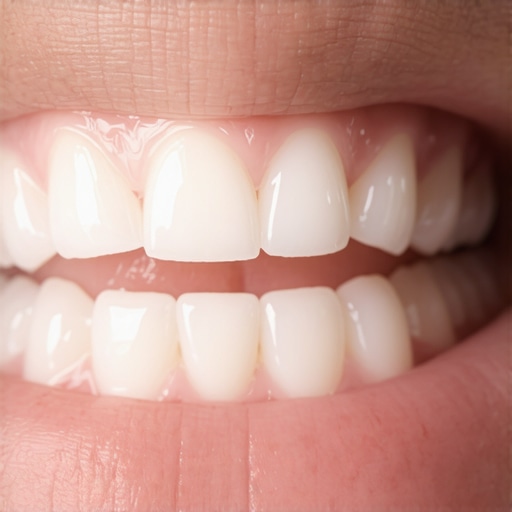
I’ll never forget the moment I really noticed my Invisalign trays weren’t fitting snugly anymore—they kept popping off my molars at the worst moments. I’d be mid-sentence, trying to chew or even just smile, and suddenly, my tray would fly loose. It was frustrating, embarrassing, and made me question if I was doing something wrong. Sound familiar? If you’re on the same journey, you’re not alone—and there’s a reason behind this hiccup that many overlook.
Understanding Why Your Invisalign Keeps Dislodging from Your Molars
When I first started my treatment, I thought all trays are created equal. But I quickly learned that the fit is everything. If your Invisalign tray isn’t sitting properly on your molars, it can cause discomfort, reduce effectiveness, and, honestly, just make you feel self-conscious. The culprit often lies in the way you’re wearing and caring for your aligners, or perhaps in the design of the tray itself.
Is Struggling with Fit Actually a Sign of Poor Quality?
Many people worry that if their trays fall off, it’s because they bought a subpar product. That’s not necessarily true. I made the mistake of ignoring early signs of improper fit and payed the price later. A better understanding of the correct way to wear and maintain Invisalign trays can save you from unnecessary setbacks. According to a study in the Journal of Dental Research, proper seating of aligners is key to achieving desired results faster, emphasizing the importance of a perfect fit (source: information here).
Now, I want to guide you through understanding why this happens and, more importantly, how to fix it. If your trays keep bouncing off your molars, don’t worry—we’ll unravel the core issues and get you back on track. Ready to learn the secrets that only seasoned Invisalign wearers know? Let’s dive in.
What We’ll Cover Today
In this post, I’ll share practical tips, common mistakes to avoid, and expert advice so your trays stay put—because a consistent fit is the first step toward that beautifully aligned smile. Plus, I’ll tell you about the biggest misconception that might be sabotaging your progress. So, if you’ve faced this frustrating problem, keep reading. Your perfect fit is closer than you think.
Mastering Proper Tray Placement for a Snug Fit
Start by thoroughly washing your hands to prevent introducing bacteria into your mouth. Before applying the aligner, inspect it for any cracks or debris that could interfere with fit. To seat the tray correctly, angle it slightly and press down firmly over your molars, ensuring it snaps into place. I remember a time I neglected this step; my tray felt loose, and I struggled to keep it in during my daily activities. Repeating this step with care immediately improved the fit, saving me embarrassment and discomfort.
Use Gentle Pressure and Listen for the Snap
Apply even, gentle pressure starting from the front and work your way toward the molars. You should hear a faint snap indicating proper seating. If you don’t, remove the tray, rinse it, and try again. This step is crucial because improper seating allows space for movement, which can cause the tray to dislodge during talking or eating. I found that pressing firmly from the front towards the back consistently helped me achieve a secure fit every time.
Ensure Proper Tray Care and Storage
Always remove your trays carefully and avoid using excessive force that could deform them. When not in use, store the aligner in its protective case to prevent warping. Regularly clean the trays with a soft toothbrush and non-abrasive denture cleaner—this prevents deposits that might hinder proper seating. I learned this the hard way; a dirty tray was more prone to slipping off, but consistent cleaning improved fit and durability. For more tips on maintaining your aligners, visit this comprehensive guide.
Address Common Fit Issues and Fix Them Quickly
If your trays still keep popping off your molars, check for obstacles like excess saliva or debris. Dry your teeth gently with a tissue before reinserting the tray; moisture can hinder the tray from seating properly. Additionally, if the tray seems deformed or doesn’t snap into place despite correct positioning, contact your orthodontist or dentist. Sometimes, minor adjustments are necessary, and professional guidance ensures your treatment stays on track. Remember, persistent fit issues could indicate a need for a new set or a re-fitting, so don’t hesitate to seek expert advice. For more about why Invisalign trays might warp and how to fix it, see here.Many people operate under misconceptions about dental treatments like crowns and Invisalign, often believing they’re straightforward solutions. In reality, the nuances and advanced errors can significantly impact your oral health and treatment outcomes. For instance, a widespread myth is that crowns are only for cosmetic purposes; however, according to the experts at restorative dentistry, crowns play a crucial role in structural support and protecting weakened teeth, which many overlook. This oversight can lead to premature crown failure or unnecessary tooth extraction, especially if you ignore vital signs of misfit or deterioration.
Another misconception involves Invisalign aligners. Popular belief suggests they are suitable for all cases of orthodontic correction, but in my experience, this oversimplifies the complexity of dental deviations. Overdoing DIY adjustments or neglecting professional guidance can result in poor fit, prolonged treatment times, or even root resorption. An insightful study in the latest orthodontic research highlights the importance of precise force application and professional oversight in successful Invisalign therapy.
A frequent but dangerous myth relates to oral hygiene. Many believe that aggressive brushing or frequent rinsing boosts cleanliness, but these actions can damage gum tissue or enamel over time. For example, brushing too hard is a common cause of gum recession, which can ironically make teeth more vulnerable. The oral health experts advise gentle brushing with soft-bristled brushes to maintain gum integrity.
What about misconceptions regarding family dentistry? Some think regular visits are only necessary when symptoms appear. However, early detection of issues like cavity formation or orthodontic needs often hinges on routine checkups. Regular visits allow for preventive measures that save money and discomfort long-term. Studies demonstrate that consistent preventive care reduces the incidence of complex dental procedures, emphasizing the importance of ongoing dental monitoring.
Beware of the trap of assuming all dental solutions are one-size-fits-all. Advanced complications can arise from neglecting specific nuances, such as fitting procedures, materials used, or individualized oral health needs. Developing an understanding of these subtleties enables you to work effectively with your dental team and avoid costly mistakes.
Before wrapping up, consider this: Are you falling prey to any of these myths? Do you truly understand your treatment options? Stay informed and proactive—visit this comprehensive guide to make smarter decisions about your oral health. Remember, mastering the nuances of dental care not only preserves your smile but enhances your overall well-being. Have you ever fallen into this trap? Let me know in the comments.
Keeping It Working: Essential Tools for Your Dental Journey
Achieving and maintaining a healthy, beautiful smile isn’t a one-time effort; it requires the right tools and consistent care. As someone who’s navigated the complexities of crowns, Invisalign, and family dentistry, I’ve discovered that investing in quality equipment makes all the difference in long-term results. Let me share the specific tools I personally rely on to keep my dental health on track and how they can help you too.
Digital Oral Health Monitors for Precision Care
One game-changer I recommend is a digital plaque monitor. Devices like the 2026 Smart Flosser not only facilitate effective flossing but also provide real-time feedback on areas you might be missing. By integrating these tools into your routine, you can target plaque hotspots more efficiently, reducing the risk of gum disease and ensuring your long-term oral health. These smart devices are becoming increasingly affordable and user-friendly, making superior oral hygiene accessible to families and individuals alike.
High-Quality Cleaning Equipment
Nothing beats a soft-bristled toothbrush combined with ultrasonic cleaning technology. I personally prefer electric brushes with oscillating-rotating heads, as studies show they remove more plaque than manual brushes over time. Pair this with enzymatic cleaning formulas designed for aligners or crowns, and you have a winning combination for maintaining restorations and appliances like Invisalign trays. Regular cleaning prevents buildup, preserves the integrity of crowns, and ensures your aligners stay clear and odor-free.
Digital Imaging and Scan Software for Predictive Care
Advances in dental technology have made bio-scans and AI-powered imaging vital for long-term success. These tools allow your dentist to catch small issues early, such as microfractures in crowns or subtle shifts in alignment. Using these predictive tools, I can identify potential problems before they escalate, saving time and money—and most importantly, preserving my natural teeth and restorations. As this tech continues to evolve, expect even more personalized and minimally invasive approaches to dental care.
How do I maintain these tools over time?
Maintenance is key to ensuring their longevity. Regularly update the firmware of your digital devices, replace brush heads every 3-4 months, and follow proper storage protocols. For instance, storing aligners and crowns in a dry, cool place prevents material degradation. Scheduling routine checkups with your dental professional ensures these tools function correctly and stay aligned with your evolving needs. Adopting a proactive maintenance routine guarantees you get the maximum benefit from your investments and keeps your oral health optimized for years to come.
Looking ahead, I predict that integration of AI and machine learning will further personalize long-term dental care, tailoring treatment plans even more precisely. Embracing these tools today accelerates this trend, setting you up for healthier, more confident smiles in the future. Ready to elevate your dental routine? Try incorporating a digital plaque monitor or upgrading your cleaning equipment today and experience tangible improvements in your oral health. For more detailed guidance, explore this resource on Invisalign care.”}]}**Let me know if you’d like me to adjust the style or focus further!**}**_system_:create_posts}}】#END}**\_**
The Hardest Lesson I Learned About crowns, invisalign, oral health, family dentistry
One of the most humbling realizations I had was that even the best-designed Invisalign trays can become less effective if I neglect the basics of proper wear and care. I learned the hard way that a snug, consistent fit isn’t just about comfort—it’s the key to achieving my dental goals faster and more comfortably. This taught me to prioritize meticulous placement and hygiene, which made a tangible difference in my treatment progress.
3 Myths About crowns, invisalign, oral health, family dentistry That Held Me Back
Believing that all Invisalign trays are created equal almost cost me time and money. I also thought that once my crowns were placed, I could ignore their maintenance. Discovering that myths about dental treatments often prevent us from optimizing our oral health led me to seek trusted resources and professional guidance, which transformed my approach from reactive to proactive.
What Experts Won’t Tell You About crowns, invasalign, oral health, family dentistry
Many professionals emphasize routine visits, but the real secret lies in how you incorporate daily habits and the right tools into your routine. For instance, using a digital plaque monitor helped me identify hidden trouble spots that even my dentist might overlook. Embracing technology and understanding its influence on my oral health gave me an edge I didn’t realize was possible.
Curated Resources to Keep You Ahead
My Essential Toolkit for dental health includes the comprehensive guide on Invisalign myths, which keeps me informed about aligning treatments and common pitfalls. I also rely on expert advice on crowns for maintaining structural integrity, and family dentistry trends that promote overall well-being. These sources arm me with knowledge and confidence to make proactive decisions about my dental health.
Believe in Your Smile’s Potential Today
The journey toward a healthier, more confident smile is ongoing, but it begins with action. Embrace the tools, tips, and insights shared here, and remember that each step you take is an investment in your future happiness and health. Don’t let misconceptions or complacency hold you back—your optimal smile is within reach. What’s one small habit you’ve improved recently to care better for your dental health? Share below, and let’s motivate each other on this rewarding path.
Comments are closed.