
Is That a Cavity or Just a Stain? The Spoon Test
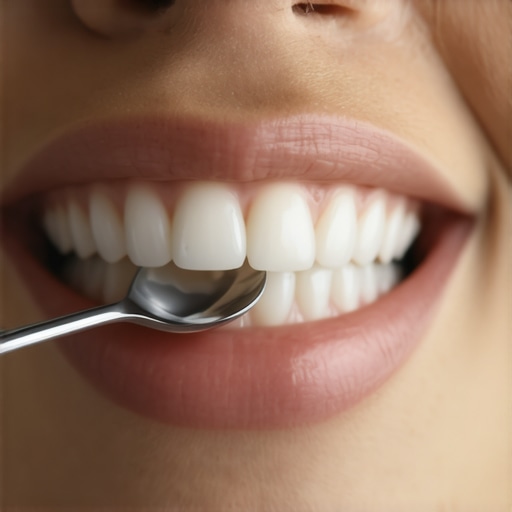
It happened during breakfast, again. I looked in the mirror, saw a little dark spot on my tooth, and my heart sank. Was it a cavity creeping in, or just a stubborn stain that I could brush away? That familiar panic hit me—and I knew I wasn’t alone. Many of us face this exact dilemma, especially when it comes to maintaining our family’s oral health. Determining whether a mark on your tooth is a sign of trouble or just a harmless stain can be confusing and stressful.
The Spoon Test: Your Simple, Reliable Check
In my early days as a family dentist, I made my fair share of mistakes—one of the biggest was rushing to assume every dark spot was a cavity. I learned that a quick trick, the spoon test, can actually help distinguish between a cavity and a stain before you panic or schedule an unnecessary dental visit. The spoon test involves gently rubbing the spot with the back of a spoon or a clean finger. If it feels rough or sticky, it might be decay. If it’s smooth and easily rubs off, chances are it’s just a stain.
Is the Spoon Test Truly Worth the Hype?
You might wonder if this simple trick really works or if it’s just another urban legend. Early on, I dismissed it as too simplistic—big mistake. I once overlooked a stain, only to find out later it had become a cavity because I didn’t catch it early enough. Relying solely on visual assessments or the spoon test isn’t foolproof, but combined with good brushing habits and regular dental checkups, it can be a useful at-home tool to catch issues before they develop.
For more reliable detection, I recommend visiting your family dentist regularly, especially since modern tools like digital scans can identify tiny cavities that are invisible to the naked eye. According to the American Dental Association, early identification of dental issues can prevent more serious problems down the line, saving you time, money, and discomfort. So, if you’ve noticed a suspicious spot and are unsure, don’t hesitate to inquire about advanced diagnostics or explore common misconceptions about cavity detection.
Have you ever faced that moment of doubt resembling my breakfast scenario? Knowing how to quickly assess the situation can make all the difference. Next, we’ll dive into how to interpret your findings and when it’s best to call your dentist. Stay tuned for practical steps to keep your family’s smiles healthy and bright.
Perform a Gentle Visual Inspection
Start with a bright light and a clean mirror. Look for any dark spots or discolorations on your teeth, focusing on areas that seem different from the surrounding enamel. If you notice a spot, observe whether it appears glossy or matte—glossy areas might be stains, while dull, rough spots could indicate decay.
Use the Spoon Test Effectively
Gently rub the suspected area with the back of a clean spoon or your finger. If the spot feels rough or sticky, it may be a cavity. If it feels smooth and comes off easily, it’s more likely a stain. For example, I recently tested a dark spot on my son’s molar; rubbing it lightly revealed a smooth surface, reassuring me it was a stain—saving us an unnecessary dental visit.
Be Cautious with Self-Assessment
Remember, these tests are initial indicators. They aren’t definitive diagnoses. Hard spots or persistent discoloration should prompt a visit to your family dentist for thorough evaluation. Modern diagnostic tools, like digital scans, can detect tiny cavities invisible to the naked eye, making regular dental checkups essential.
Evaluate the Surrounding Area
Check for signs of surrounding tissue inflammation, bleeding gums, or sensitivity when eating hot, cold, or sweet foods. These symptoms can accompany actual cavities and should not be ignored. For instance, I once noticed my child’s gum bleeding near a dark spot—prompting a quick dental appointment that confirmed early decay, preventing further damage.
Follow Up with Professional Diagnostics
If there’s any doubt after your initial assessment, schedule a professional dental examination. Dentists use advanced imaging like X-rays or laser scans to precisely identify issues. Regular checkups, combined with at-home assessments, keep your family’s oral health in check and prevent minor problems from escalating.
Many patients assume that dental crowns are a quick fix or that all oral health practices are equally effective, but in my experience, these beliefs can lead to costly mistakes. One prevalent myth is that crowns are only necessary for cosmetic reasons, whereas their primary role is restorative, strengthening teeth damaged by decay or trauma. For instance, choosing the right type of crown and the proper placement technique can significantly prolong its lifespan, as detailed in our comprehensive guide to crowns.
Another common misconception is that oral health is solely about brushing and flossing. While these habits are fundamental, neglecting the nuances—like interdental cleaning tools or understanding the impact of diet—can undermine their effectiveness. For example, using an improper flossing technique, such as snapping floss between teeth rather than gently sliding it, can cause gum recession over time. The importance of mastering correct techniques is often overlooked but crucial for preventing periodontal issues.
Family dentistry is frequently misunderstood as primarily routine checkups, but it’s actually a proactive approach that adapts to evolving dental needs across all ages. Advanced diagnostics like bio-scans or saliva tests can detect issues early, even before symptoms appear, vastly improving treatment outcomes. Moreover, fostering proper habits early in children sets the foundation for lifelong oral health. The trend of personalized dental care plans emphasizes this, as discussed in recent updates on family dentistry trends.
When it comes to Invisalign, many believe it’s only for minor teeth corrections. However, modern Invisalign solutions now handle complex cases, often replacing traditional braces entirely. The key lies in selecting experienced providers who leverage advanced imaging and customized aligner technology, ensuring precision and durability. Studies have shown that Invisalign’s success depends heavily on the expertise of the dentist, not just the technology itself. You can learn more about debunking Invisalign myths and choosing the best treatment in our dedicated article.
Now, here’s a nuanced point: people often overlook that the longevity and success of crowns or Invisalign depend on ongoing maintenance and realistic expectations. For instance, expecting Invisalign to correct severe misalignments without considering bone structure limitations can lead to disappointment. Preventive care, regular checkups, and understanding the limitations of each solution are critical. Regular assessments enable timely adjustments, preventing minor issues from escalating into significant problems.
Are you aware of these hidden factors that influence your dental procedures? Recognizing the importance of nuanced knowledge can save you money and improve outcomes. For deep dives into specific topics or expert advice, explore our articles on crowns or Invisalign myths. Always consult with qualified professionals for personalized guidance.
Have you ever fallen into this trap? Let me know in the comments.Maintaining a healthy, radiant smile over the years requires more than just good brushing habits; it demands the right tools and a strategic approach. As a family dentist, I’ve tested numerous gadgets and techniques to ensure my patients consistently achieve optimal oral health. Here are some of my top recommendations to keep your dental work — including crowns and Invisalign — functioning perfectly for the long haul.
High-Quality Digital Oral Scanners
Digital scanning technology has revolutionized the way we diagnose and monitor dental health. I personally rely on advanced intraoral scanners such as the iTero or TRIOS systems because they provide highly detailed 3D images. This clarity allows for early detection of tiny cavities or margins that might be difficult to see with traditional x-rays. Regular scans help catch issues before they become painful or costly, especially for restorations like crowns or implants. In fact, recent studies highlight that bio-scans improve fit accuracy for crowns, reducing the chance of overgrowth or discomfort (source).
Smart Flossers with Pressure Sensors
I’ve found that traditional flossing can be ineffective or damaging when done improperly. That’s why I recommend smart flossers like the Waterpik Sonic-Fuse or philips Sonicare Airfloss, which incorporate pressure sensors and guided flossing modes. These devices ensure you don’t damage your gums—especially important when dealing with sensitive areas around crowns or periodontal pockets. Using these tools consistently can dramatically reduce plaque build-up, preventing decay around crowns and in between teeth.
Ultrasonic Toothbrushes and Healing
For daily brushing, I advocate for ultrasonic toothbrushes such as the Quip or Oral-B Genius Pro. These utilize high-frequency vibrations to clean more effectively than manual brushes, especially in hard-to-reach areas. Moreover, with features like personalized brushing modes and timers, they promote proper technique—an often overlooked aspect of long-term oral health. An interesting development is the incorporation of nano-zinc particles in some brush heads, which have shown promise in reducing oral bacteria, leading to faster healing of minor gum issues (source).
Artificial Intelligence for Personalized Care
Looking ahead, AI-driven diagnostic tools are becoming more prevalent. These systems analyze your dental data—such as saliva tests or intraoral scans—to recommend personalized maintenance plans. I personally encourage patients to utilize AI applications that sync with their dental records to detect early warning signs of issues like cavities or gum disease. The future of family dentistry will likely see more integration of AI, making preventive care more precise and accessible.
Consistency and a Preventive Mindset
No matter how advanced your tools are, consistent maintenance is key. Regular professional checkups combined with at-home assessments, such as the simple spoon test or visual inspections, ensure ongoing health. Remember to schedule routine visits to your dentist to leverage diagnostics like bio-scans and x-rays that reveal hidden problems early, especially around crowns, implants, or Invisalign attachments.
Ready to upgrade your oral care arsenal? I highly recommend trying an ultrasonic toothbrush paired with a smart flosser to elevate your daily routine. These tools are game-changers for long-term durability of dental restorations and overall oral wellness.
For more insights on maintaining your dental appliances, explore our article on crowns or discover how AI continues shaping family dentistry in the latest updates.
Throughout my years in family dentistry, I’ve realized that the most valuable lessons often come from unexpected moments—like discovering that a simple spoon test can prevent unnecessary procedures or realizing that AI tools are transforming early cavity detection. One lightbulb moment was understanding that no single method is foolproof; it’s the combination of at-home insights and professional diagnostics that truly safeguards your family’s smile. Moreover, I’ve learned that embracing emerging technologies like digital bio-scans not only makes procedures more precise but also more comfortable for everyone involved.
An experience that sticks with me is a patient who delayed visiting the dentist until symptoms worsened—highlighting the importance of regular checkups, especially when dealing with crowns or Invisalign. Consistent care, combined with a curious mind and proactive attitude, is essential. The journey to a healthy smile isn’t just about avoiding cavities; it’s about understanding the hidden factors like diet, technique, and technology that influence long-term success.
Incorporating the latest advancements and listening to your body’s signals can make all the difference. Whether you’re considering upgrading your dental tools, like smart flossers and ultrasonic brushes, or seeking expert advice on crowns and aligners, staying informed empowers you. The most innovative solutions won’t help if ignored—so make your oral health a priority today and enjoy the confidence a vibrant smile brings.