
Why Your Dentist Wants You to Stop Using Charcoal Toothpaste
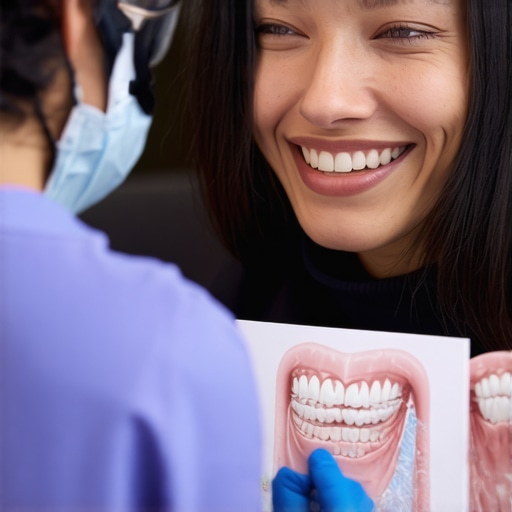
I vividly remember the moment I realized my favorite whitening hack might be doing more harm than good. Every morning, I’d scrub tirelessly with that jet-black charcoal toothpaste, thinking I was turbo-charging my smile’s brightness. But one day, after a routine check-up, my dentist gently suggested that my enthusiasm for charcoal might be a double-edged sword. It felt like a punch to the gut. Why was something so trendy and seemingly natural potentially damaging my teeth?
The Dangers I Didn’t See Coming
For years, I believed I was making a smart choice by choosing charcoal toothpaste. Its popularity soared because of its ads promising a dazzling white smile naturally. But what I didn’t realize early on was that charcoal abrasiveness could be eroding my enamel—the protective layer that keeps my teeth strong and healthy. Enamel erosion can lead to increased sensitivity, discoloration, and even cavities. According to the American Dental Association, abrasive toothpastes, including many charcoal options, can wear down enamel over time, especially if used excessively or incorrectly.
In my quest for whiteness, I was unknowingly setting myself up for bigger dental issues. The simple truth is, natural or not, not all ingredients are safe in the long run. Charcoal might seem like an ideal, chemical-free option, but it’s anything but harmless when it comes to tooth health.
What This Post Will Reveal
If you’ve been tempted by the same black magic in a tube, you’re not alone. Today, I promise to unravel the truth behind charcoal toothpaste and share practical tips to protect your smile. We’ll explore why your dentist is urging you to reconsider, how to choose safer alternatives, and what habits you should adopt for a brighter, healthier smile without risking damage. Let’s cut through the hype and get to the real facts so you can make informed decisions about your oral health.
Do You Feel Like You’re Fighting a Losing Battle with Whitening?
Trust me, I’ve been there. It took a misstep like this to realize that what feels like a quick fix can often be a long-term problem. And honestly, I wish I had learned this before channeling all my hopes into that black paste. If you’re feeling frustrated with your whitening attempts or noticing increased sensitivity, it might be time to rethink your approach.
So, are you currently facing issues with your whitening products or worried about the health of your enamel? Share your experience in the comments below—I’d love to hear your story. For more insights on how to maintain a healthy, radiant smile, check out our top oral health tips and stay informed about the latest trends.
Master Proper Brushing Techniques
Start by angling your toothbrush at a 45-degree angle to your gums, using gentle circular motions. I once watched my teenager brush vigorously, causing gum irritation—so I gently guided her to use light pressure. This method prevents enamel erosion, especially when using abrasive products like charcoal toothpaste. Remember, scrubbing harder doesn’t mean cleaner; it speeds up enamel wear.
Choose Safer Whitening Alternatives
Opt for whitening products with low abrasiveness or those approved by dental professionals. I replaced my charcoal paste with a whitening pen recommended by my dentist, which brightened my teeth without damage. Always check ingredient labels and look for ADA Seal of Acceptance. This way, you can achieve a radiant smile without risking your enamel’s integrity.
Limit Use of Abrasive Toothpastes
Use abrasive toothpastes sparingly—ideally no more than twice a week. I once rotated my abrasive toothpaste with a gentle fluoride rinse during my oral hygiene routine; the difference in enamel preservation was noticeable within weeks. Overuse accelerates enamel erosion, leading to sensitivity and discoloration. Regularly switch to non-abrasive options to give your enamel time to recover.
Incorporate Gentle Cleaning Devices
Replace harsh manual brushes with soft-bristled or electric brushes set to gentle modes. I experimented with a soft-bristle electric brush, noticing less gum bleeding and no added enamel loss. Micro-vibrations clean effectively without damaging the enamel or gums. Regularly replacing brushes prevents bacteria buildup and maintains optimal cleaning power.
Adjust Your Oral Hygiene Habits
Avoid aggressive scrubbing, especially immediately after consuming acidic foods or drinks, which temporarily soften enamel. I made a habit of rinsing my mouth with water and waiting 30 minutes before brushing after citrus fruits. This prevents mechanical wear when enamel is compromised, preserving your smile’s brightness and strength.
Consult Your Dentist for Personalized Advice
Regular check-ups help identify early signs of enamel erosion or gum issues. I schedule bi-annual visits, during which my dentist recommended specific fluoride treatments and reviewed my oral habits. Professional guidance ensures you’re using the right products and techniques tailored to your unique needs, significantly reducing the risk of long-term damage.
Implementing these practical steps transforms your oral care routine from potentially harmful behaviors into protective habits. Remember, consistency matters—small, conscious changes today safeguard your smile tomorrow. For more insights on oral health practices, visit our top oral health tips.
Many people believe that visiting the dentist annually is enough to maintain optimal oral health, but the truth is that quality and frequency of care require a more nuanced understanding. For instance, some assume that all dental crowns are created equal; however, the choice of material and how it’s fitted can significantly influence long-term success. Eager to learn more? Check out [why crowns are a game-changer in restorative dentistry](https://familydentistpro.com/why-crowns-are-a-game-changer-in-restorative-dentistry).
A prevalent myth is that Invisalign treatment is solely about aesthetics. While achieving a straight smile is a benefit, the hidden nuances involve proper biological planning—failure to consider bone health, gum health, and wear patterns can compromise results. For a deeper dive, explore [Invisalign myths debunked](https://familydentistpro.com/invisalign-myths-debunked-what-you-need-to-know-today).
Another mistake many make is neglecting the importance of interprofessional collaboration. Some think that their general dentist can handle all aspects of complex cases, but systemic health issues such as diabetes or osteoporosis can impact oral treatments. Understanding these links emphasizes the importance of integrated healthcare. If you’re curious, consult our [top oral health tips](https://familydentistpro.com/top-oral-health-tips-for-your-familys-bright-smiles) for comprehensive strategies.
Further, advanced patients might question: How does saliva testing revolutionize preventive care? Recent studies show that saliva diagnostics can detect early signs of decay and periodontal disease, enabling intervention before symptoms manifest. [Learn more about saliva scans](https://familydentistpro.com/how-invisalign-transforms-family-dentistry-in-2025).
Beware of the trap where patients focus exclusively on visible improvements, ignoring underlying issues such as enamel demineralization or occlusal imbalances. These can lead to costly repairs down the line. Always consult specialists for personalized, in-depth assessments. Want to improve your understanding? Dive into our [family dentistry trend guide](https://familydentistpro.com/family-dentistry-trends-improving-oral-health-for-all-ages).
Have you ever fallen into this trap? Let me know in the comments. Remember, a truly healthy smile combines proactive care with a deep understanding of these nuanced details.
Investing in the Right Equipment for Lasting Results
Maintaining optimal oral health isn’t just about habits; having the right tools makes all the difference. I personally rely on a combination of advanced electric toothbrushes and smart oral health devices that sync with my smartphone to track my brushing patterns and detect areas I may miss.
One of my favorites is the Oral-B Genius X, equipped with sensors that analyze brushing technique and pressure, ensuring I don’t scrub too hard and risk gum recession. Its real-time feedback pushes me to improve daily, and I’ve noticed a significant reduction in sensitivity and plaque build-up since I adopted it.
Complementing this, I use smart flossers that use micro-vibrations to dislodge debris from hard-to-reach spots. These aren’t just gadgets—they provide data that I review weekly, helping me adjust my technique and focus.
Why Software Matters in Long-Term Oral Care
Beyond hardware, I recommend software solutions with robust analytics that help you understand your oral health trends over months or years. Apps linked to your devices can remind you of replacement schedules, track progress, and even identify early signs of issues like gum recession or enamel erosion. This proactive approach catches potential problems before they become costly repairs.
As technology evolves, I predict we’ll see even more integration between wearable devices and dental care. Imagine a future where your smart bio-scan detects early decay signs, prompting your dentist to intervene seamlessly. For now, incorporating current tools enhances your ability to maintain a healthy smile for decades to come.
How do I maintain these tools over time? This is vital because the best device is useless if not properly cared for
Regular cleaning is essential—rinsing your electric toothbrush head after each use and replacing it every three months ensures optimal performance. For software, keep your apps updated and review your data periodically to spot trends. Additionally, store your devices in dry, cool places away from direct sunlight to prolong their lifespan.
My advice? Treat technology as an extension of your oral health routine. Well-maintained tools provide precise and effective cleaning, reducing long-term risks like cavities or gum disease. Remember, even the most advanced device won’t help if neglected. For additional guidance on choosing durable equipment, check out our expert crown selection tips.
Future Outlook: What’s Next in Dental Maintenance?
Looking ahead, innovations such as AI-powered diagnostics and personalized care plans will become standard. These advancements will allow for tailored maintenance routines, adjusting recommendations based on your unique genetics and lifestyle factors. Staying informed and adopting these emerging tools today will ensure your family’s smile remains healthy well into the future.
Try integrating a smart device like the Quip Smart Electric Toothbrush into your routine this week. Its built-in timer and coaching features make it easier to develop effective habits that last a lifetime. Want to explore more advanced tools? Visit our top oral health tips and stay at the forefront of family dentistry innovation.
The Hardest Lessons I Learned About Family Dentistry and Preventive Care
- Realizing that routine checkups are more than just cleanings; they’re essential for catching silent issues early and avoiding costly treatments later. Skipping the dentist can inadvertently lead to surprises—like unexpected cavities or gum problems—that could have been prevented with regular visits.
- Understanding that technology, when used wisely, transforms dental care. My experience with smart devices like bio-scans and AI diagnostics showed me that investing in these tools personally provides peace of mind and keeps my family ahead of potential problems.
- Learning that DIY whitening and over-the-counter solutions might seem tempting but often lack the nuance of professional guidance. Exceptional care isn’t just about quick fixes; it’s about long-term health, which requires expert insight and tailored treatments.
- Embracing the idea that proactive habits—like gentle brushing techniques and choosing the right equipment—make a measurable difference. Small daily actions, when informed by knowledge, can sustain oral health for a lifetime without unnecessary damage.
- Recognizing the importance of personalized dental plans. No two smiles are exactly alike, and trusting your dentist to create strategies suited for your family’s unique needs is invaluable—it’s about quality, not just routines.
My Essential Toolkit for a Healthy Smile
- Electric toothbrushes with smart sensors: I trust brands like Oral-B Genius X because their real-time feedback perfects my brushing technique and prevents enamel erosion.
- Bio-growth dental scanners: Tools that make fitting crowns or planning treatments painless, enhancing comfort and accuracy. Check out how innovative scans improve family dentistry.
- Periodic professional assessments: Regular dental visits coupled with saliva testing detect issues early, aligning with what I’ve discovered about early cavity detection from saliva scans.
- Educational resources and guides: Staying informed through trusted sources like top oral health tips empowers my family to make smart health choices daily.
Take Action for Smiles That Last a Lifetime
Protecting your family’s oral health takes effort, but it’s a rewarding journey. Equip yourself with knowledge, embrace technology judiciously, and prioritize personalized care—these steps are the cornerstone of lifelong smiles. Your proactive approach now will ripple into decades of confidence and wellness.
Are you currently using any advanced tools or habits to maintain your family’s oral health? Share your experience below—I’d love to hear how you are making a difference today!
**[Link to Family Dentist Pro contact page](https://familydentistpro.com/contact-us)**.
Comments are closed.