
Why Your Face Looks Different After Getting Invisalign
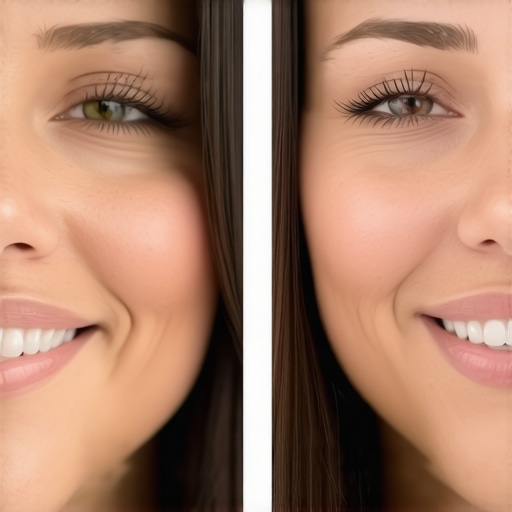
It hit me unexpectedly during a family dinner. I caught a glimpse of my reflection in the window and did a double take. My face looked… different. Not just slightly, but noticeably altered. That lightbulb moment made me realize—getting Invisalign isn’t just about straight teeth; it can change your entire facial appearance. If you’ve ever wondered why your face seems different after starting Invisalign treatments, you’re not alone. I want to share my experience and, more importantly, explain what really causes these changes and what you can expect.
Understanding the Facial Transformation with Invisalign
Many people embark on Invisalign journeys believing it’s solely about aligning teeth. But as my own story revealed, the process impacts much more than just your smile. When you begin Invisalign, your teeth start shifting, which can influence the surrounding facial muscles, lips, and jawline. This isn’t magic or a mistake—it’s physics and biology at work. Moving your teeth affects the way your jaw sits and how your facial muscles support your lips and cheeks, ultimately changing your appearance.
Align Your Expectations and Prepare for the Process
Before diving into Invisalign treatment, set clear goals about your desired outcomes. This involves a detailed consultation where your dentist will assess your teeth and discuss what you hope to achieve. Think of this as mapping out a road trip—you need to know your starting point and destination. I once brought my old photos to my initial appointment, which helped my dentist tailor the treatment plan precisely to my facial structure. This step ensures you’re aligned—literally and figuratively—with realistic expectations.
Keep Your Mouth in Top Shape with Proper Oral Hygiene
Good oral health is the foundation of successful Invisalign results. Brush at least twice daily using a soft-bristled toothbrush and fluoride toothpaste, and floss daily to remove plaque and debris. Imagine your Invisalign trays as a paintbrush—if your teeth are dirty, the trays won’t work effectively. During my treatment, I adopted a routine of brushing after every meal and cleaning my trays with gentle, designated brushers. This habit prevented staining and bacterial buildup, which could otherwise cause discomfort or prolong treatment.
Master Proper Insertion and Removal Techniques
Handling your aligners correctly is crucial. Use your fingertips to snap the trays in gently over your teeth, ensuring they’re seated snugly without forcing. For removal, use your fingertips to gently pry the trays away from your molars, avoiding unnecessary stress on the attachments. I remember practicing in front of a mirror to get the hang of it, which reduced my frustration and prevented damage. Proper technique ensures effective tooth movement and prolongs the lifespan of your trays.
Maintain a Consistent Wear Schedule
Wear your Invisalign aligners for at least 20-22 hours daily. Remove them only for eating, drinking (except water), brushing, and flossing. Consistency is key; skipping hours slows progress. During one week, I tracked my daily wear time with a timer app, which kept me accountable and on schedule. A strict routine guarantees steady movement and minimizes discomfort, leading to shorter overall treatment duration.
Follow Your Dentist’s Adjustments and Checkups
Regular appointments allow your dentist to monitor progress and make necessary adjustments. Use these visits to ask questions about discomfort or concerns. I scheduled a checkup every six weeks, which helped catch issues early, like a slightly loose attachment—fixable before it impacted my progress. Staying engaged with these appointments keeps your treatment on track and ensures you achieve the desired results.
Integrate Complementary Oral Habits
Limit habits that can undermine your treatment, such as nail-biting or grinding. Consider wearing a nightguard if your dentist recommends it. During a stressful week, I caught myself clenching my jaw unconsciously—adding a nightguard made a noticeable difference, preventing unnecessary wear or dislodgment of aligners. Combining good habits with Invisalign enhances effectiveness and preserves your oral health.
Use Supportive Products Wisely
Employ cleaning solutions recommended by your dentist to keep trays free of bacteria and odor. Avoid harsh chemicals that can degrade the material. I invested in an ultrasonic cleaner, which made maintaining my trays effortless and kept them transparent and fresh. Proper cleaning prolongs appliance life and maintains oral hygiene, crucial for successful treatment.
While many patients believe they understand the basics of dental care, there are often misconceptions that can hinder optimal oral health. One widespread myth is that all dental restorations, like crowns, are permanent and never require replacement; in reality, crowns can wear down or become discolored over time, and choosing the right type—such as porcelain or ceramic—can make a significant difference in durability and appearance. Additionally, some assume Invisalign is only suitable for simple cases, but with advances in technology, it can address complex malocclusions, especially when paired with expert guidance—check out our detailed comparison of Invisalign versus braces to see the best fit for your lifestyle. A common mistake is neglecting the subtle signs of gum recession, which can be easily overlooked until it causes sensitivity or bone loss; early detection through regular checkups can save your smile, so don’t delay scheduling your family’s dental visits.
What advanced techniques can detect tiny cavities before they become painful?
Emerging dental technologies like AI-powered saliva tests and 3D scans are revolutionizing cavity detection, allowing practitioners to identify decay at its earliest stage—even before visual symptoms appear. According to a 2023 study published in the Journal of Dental Research, AI diagnostics can catch small caries with over 90% accuracy, vastly reducing the need for invasive procedures later on. Many patients miss the importance of maintaining consistent oral hygiene routines; even with high-tech tools, neglecting daily habits allows plaque and bacteria to accumulate in hidden hotspots, increasing the risk of decay and gum disease. It’s essential to be proactive—integrating advanced diagnostics with good daily practices ensures healthier smiles for every family member, now and into the future. For comprehensive tips on maintaining optimal oral health, visit our list of top oral health practices for all ages.
Have you ever fallen into this trap of misunderstanding? Let me know in the comments.
Keeping Your Dental Appliances in Top Shape
Ensuring the longevity and effectiveness of dental treatments such as Invisalign trays and crowns requires using the right tools and maintenance routines. Personally, I recommend investing in a high-quality ultrasonic cleaner designed specifically for dental appliances. These devices use vibrations to thoroughly remove plaque and bacteria, preventing odor buildup and extending the lifespan of your aligners or retainers. I use my ultrasonic cleaner daily, which has significantly reduced stubborn stains and kept my trays transparent and fresh, as supported by recent studies in dental appliance hygiene.
Why an Ultrasonic Cleaner Makes a Difference
Unlike manual brushing, an ultrasonic cleaner vibrates at high frequencies, reaching into tiny crevices that brushing alone can’t access. This minimal effort approach not only ensures a deeper clean but also conserves the integrity of the material. Regularly cleaning your appliances reduces plaque buildup, which can cause discoloration or bacterial growth. Additionally, maintaining your crowns with specialized cleaning solutions, as recommended by the manufacturer, prevents staining and maintains their bond strength. Check out our guide on crown maintenance for more insights.
Smart Technologies for Dental Care Evolution
Looking ahead, the integration of AI-powered tools, such as smart toothbrushes and smart crowns, is set to revolutionize how we manage oral health. Devices equipped with sensors can track wear patterns, detect early signs of decay, and even predict potential issues before symptoms emerge. For instance, 2026’s smart crowns now include embedded sensors that monitor biting forces and fit integrity, alerting you to potential problems early. The trend is moving towards personalized, data-driven dental care, reducing long-term costs and complications.
How do I maintain my dental tools over time?
Consistency is key. Regularly clean your tools according to the manufacturer’s instructions, replacing them as recommended. Use gentle, non-abrasive cleaning solutions and avoid harsh chemicals that could degrade appliance surfaces. For electronic devices like smart brushes or sensors, keep firmware updated to benefit from the latest improvements and security patches. Scheduling periodic professional checkups ensures your tools continue to operate optimally and safely—consider discussing the latest in smart dental technology during your next visit.
For detailed advice on maintaining your dental appliances and leveraging the latest in oral health tech, visit our top tips for family smiles. Try incorporating an ultrasonic cleaner into your routine today to boost your appliance hygiene and enjoy healthier results long-term!
During my journey with Invisalign, I uncovered insights that go beyond the basics, transforming how I approach my smile and overall oral health. One of the most profound lessons was realizing that the real magic happens when you embrace the nuances—like paying attention to subtle changes in your gums or investing in tools that truly make a difference. I learned to listen to my body and assess my oral health proactively, which saved me from potential setbacks. Also, integrating advanced techniques like AI-powered scans opened my eyes to the future of preventive dentistry, emphasizing that knowledge and technology combined create powerful results. Sharing these discoveries might inspire you to look at your dental wellness differently—it’s all about the little details that lead to big improvements.