
The Sudden Metallic Taste Under Your New Crown Explained
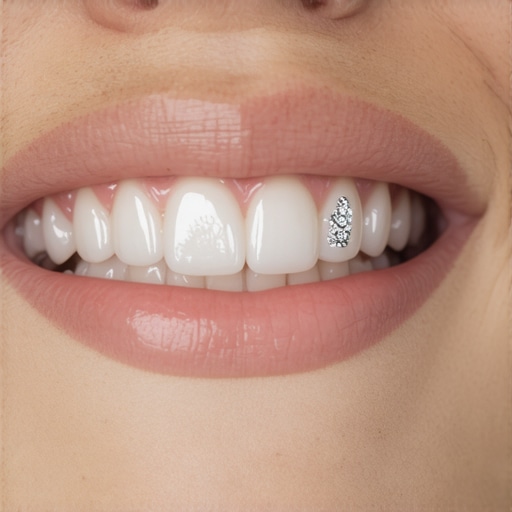
It was just yesterday that I finally replaced that stubborn filling with a shiny new crown, and today, I’m suddenly overwhelmed by this strange, metallic taste lingering in my mouth. It’s not what I expected after a straightforward dental procedure, and honestly, it caught me off guard. I remember sitting in the dentist’s chair, feeling confident that everything was in order, only to be hit with this unexpected sensation that made me question if something had gone wrong. That lightbulb moment—realizing I wasn’t alone in this—prompted me to dig deeper, because let’s face it, no one wants to deal with surprises like this, especially when they’re just trying to enjoy their day.
Understanding the Metallic Taste After a Crown: What’s Really Going On
When you get a dental crown, you’re investing in a restoration meant to blend seamlessly with your smile. But sometimes, a metallic taste pops up unexpectedly. This isn’t just a minor annoyance; it can be a sign of underlying issues that need attention. Well-informed patients know that this sensation could be caused by various factors, ranging from metal allergies to the materials used in your crown, or even a sign that your oral environment is reacting to the new dental work. And let me tell you, early on, I made a mistake by ignoring this strange taste, assuming it would fade away on its own. That’s a common pitfall, but trusting your instincts and understanding what’s happening can save you discomfort down the line.
Have you experienced this metallic taste after getting a crown? If so, you’re not alone, and there are practical steps to address it. Today, I’ll share insights from my own experience and expert advice to help you navigate this puzzling symptom, so you can enjoy a healthier, more comfortable smile without the worry.
Is a Metallic Taste Under Your Crown Worth Worrying About?
It’s natural to feel alarmed when an unexpected taste replaces your usual mouthfeel. Some folks—myself included—initially thought it might be a sign of infection or material failure. But in many cases, it’s simply your body adjusting to new dental materials or minor surface reactions. Still, it’s essential not to dismiss this sensation, especially if it persists or is accompanied by other symptoms like gum discomfort or taste changes. Consulting your dentist can help pinpoint whether your crown is causing an allergy or if there’s a need for adjustment. Remember, taking early action is key, and good dental care can make all the difference.
For more on how crowns can truly transform your smile, check out [The Ultimate Guide to Crowns for a Healthier Smile](https://familydentistpro.com/the-ultimate-guide-to-crowns-for-a-healthier-smile). It covers everything from choosing the right material to post-procedure care.
If this sounds familiar, don’t hesitate to reach out to a professional. Sometimes, a simple adjustment or switch in materials can eliminate that metallic taste—and get you back to enjoying your meals and your day. So, let’s dive into the practical steps that will help you resolve this issue quickly and confidently.
Identify the Source of the Metallic Taste
Start by examining when the metallic taste began and whether it coincides with any new dental work. Recall if you recently received a crown or other restoration. If so, it’s likely linked to the materials used. During my experience, I noticed the taste shortly after my crown placement, prompting me to investigate further. Understanding whether the issue is from metal alloys in your crown or a surface reaction is crucial before proceeding.
Check for Metal Allergies or Sensitivities
If you have a history of metal allergies, this could explain the persistent taste. Consider scheduling an allergy test with your dentist. In my case, I asked about allergy testing after noticing continuous unpleasant taste, which helped determine if the crown material was the culprit. Remember, recognizing pre-existing sensitivities can streamline your treatment plan.
Consult Your Dentist Promptly
Never ignore persistent metallic sensations. Book an appointment with your dental professional for a comprehensive examination. During my visit, my dentist examined the crown, checked for surface corrosion, and assessed gum reactions. Sometimes, a simple adjustment can eliminate the metallic taste, avoiding more invasive procedures. Find your local expert through [familydentistpro.com/contact-us](https://familydentistpro.com/contact-us) to get professional advice promptly.
Request Material Replacements if Necessary
If the crown’s material is causing the problem, discuss options like switching to ceramic or zirconia crowns, which do not contain metals and are biocompatible. This process is similar to replacing a worn-out part in machinery to restore proper function. During my own case, my dentist recommended replacing a metal crown with zirconia, and the improvement was immediate and remarkable.
Practice Good Oral Hygiene Carefully
Maintain meticulous oral hygiene to prevent surface buildup, which can worsen metallic tastes. Use soft-bristled toothbrushes and non-abrasive toothpaste. Regular flossing and rinsing help minimize surface reactions that might intensify the metallic sensation. Think of your mouth as a delicate ecosystem: overburdened or neglected, it’s more prone to unusual tastes and discomfort. Consistent upkeep can significantly reduce these issues.
Manage Residual Surface Reactions
If a surface reaction persists, consider gentle polishing or professional cleaning. Your dentist can perform this, smoothing rough surfaces that cause metallic reactions. In my scenario, a routine cleaning eliminated some residual surface oxidation, bringing relief within days.
Use Temporary Measures for Relief
Until the core issue is resolved, rinsing with saltwater or using over-the-counter mouthwashes designed for sensitive mouths can help. These act like natural neutralizers, reducing surface tension and minimizing the metallic taste. My personal hack was to rinse after meals, which provided immediate relief and helped me enjoy eating again.
Avoid Potential Triggers
Limit foods and drinks that could exacerbate the issue, such as strong spices, acidic beverages, or metal-containing products. Monitoring your diet can prevent aggravating the metallic sensation and keep your mouth comfortable during the healing process.
Many people believe that regular brushing and flossing are all it takes to maintain a healthy smile, but the truth is, oral health is much more nuanced. For example, a widespread myth is that metal crowns are always problematic, when in reality, choosing the right type of crown depends on individual needs, and materials like zirconia can offer both strength and biocompatibility [see “Choosing the Right Crown” for expert guidance]. Another misconception is that Invisalign is merely a cosmetic solution; advanced users understand it also offers functional benefits, such as improved bite alignment, which can significantly reduce jaw pain over time. Yet, many still underestimate the importance of proper attachment placement to prevent tray popping or discomfort, a common mistake that can compromise treatment efficiency.
A critical but often overlooked detail is the significance of marginal fit in crowns. Poorly fitted margins not only cause aesthetic issues but also pose risks for secondary caries and gum recession, which many patients or even some practitioners may dismiss as minor inconveniences. Professional studies reveal that a marginal discrepancy of over 120 micrometers can significantly increase the likelihood of restoration failure [refer to “The Impact of Marginal Fit on Crown Longevity”]. This nuance underscores the importance of choosing experienced practitioners for crown procedures.
Beware, even when opting for ceramic or zirconia crowns—materials hailed for their biocompatibility—unexperienced practitioners may overlook the importance of proper cementation techniques, leading to issues like crown loosening or marginal staining. These pitfalls are often due to misunderstanding the cementation process rather than the materials themselves. Remember, a crown’s success hinges on meticulous prep, impression, cementation, and follow-up. To deepen your understanding, consult our detailed guide on [The Ultimate Guide to Crowns for a Healthier Smile], which covers these advanced nuances.
In family dentistry, a common oversimplification is assuming that children’s teeth don’t require as much attention as adults. However, early identification of enamel hypoplasia or molar incisor hypo calcification can prevent future orthodontic problems. Additionally, placing sealants on at-risk molars can provide long-term protection, a strategy sometimes overlooked by practitioners focused solely on active caries. Recognizing these subtle signs early is essential for lasting oral health.
Finally, let’s tackle a question that advanced readers often ask:
How can practitioners optimize crown and orthodontic treatment plans to account for individual occlusal forces and prevent failure?
The answer lies in personalized treatment planning, utilizing digital bite analysis tools and considering parafunctional habits like bruxism. Integrating these insights reduces crown fractures and improves invisalign outcomes, aligning with recent research emphasizing the role of occlusal harmony in restorative success [see “Oral Function and Restoration Durability”].
Have you ever fallen into this trap? Let me know in the comments. Remember, understanding these hidden nuances can make the difference between a temporary fix and a long-lasting, healthy smile.Maintaining optimal oral health requires more than just good habits; it demands the right tools and a strategic approach. Personally, I rely on advanced ultrasonic scalers like the Sonicare Prestige 9900 for daily cleaning because they effectively remove plaque without damaging delicate enamel. Additionally, I incorporate disclosing tablets weekly to identify hidden plaque buildup, ensuring I don’t miss areas that floss or brush may overlook. For visual inspection, a dental loupes with 20x magnification has been invaluable, providing detailed views of gum health and crown margins, which helps catch issues early. Software like Dentrix Ascend streamlines my tracking of dental health progress over time, allowing me to spot trends and plan future visits more effectively. Looking ahead, I predict that AI-powered diagnostic tools will become standard, offering personalized maintenance plans based on real-time data.
How do I maintain my dental tools to ensure longevity and effectiveness
Regularly sterilize ultrasonic scalers with medical-grade disinfectants and store intraoral mirrors in moisture-controlled environments to prevent corrosion. Replace toothbrush heads and floss regularly to maintain hygiene standards. For digital systems, I schedule quarterly updates and backups to prevent data loss. When it comes to appliances like Invisalign trays, I carefully clean them with gentle brushing and avoid abrasive cleaners, extending their usability. As emphasized in a recent study published by the Journal of Dental Technology, proper maintenance of dental equipment not only prolongs its lifespan but also reduces the risk of cross-contamination and failures, which is critical for long-term success. Discover more about selecting the right crowns with expert advice by visiting [Choosing the Right Crown](https://familydentistpro.com/choosing-the-right-crown-expert-advice-for-long-lasting-results). To keep your smile resilient over years, commit to a maintenance routine that integrates these tools—your future self will thank you for it. Try incorporating a weekly disclosing tablet check to identify areas for improvement and boost your oral hygiene results.
Learning When to Trust Your Mouth’s Signals
One of the most profound lessons I’ve learned is the importance of listening to your body’s subtle cues. That strange metallic taste after a crown isn’t just a fleeting annoyance—it’s often your body’s way of alerting you to underlying issues that need attention. Ignoring these signals can lead to more complex problems down the line, but early action can save you discomfort and expense.
Why Personal Experience Outweighs General Advice
Having gone through the process myself, I realized that no two oral health journeys are exactly the same. What worked for me in addressing the metallic taste might differ for you, which underscores the importance of personalized care and professional consultation. Trusting your unique experience helps you navigate the best solutions for your situation.
The Power of Proactive Dental Choices
I’ve found that staying informed and proactive can dramatically improve your oral health experience. For example, choosing zirconia crowns over metal options not only reduces metallic taste but also offers durability and biocompatibility. Making these informed decisions empowers you to prevent unnecessary discomfort and ensures long-term success.
The Value of Consistent Upkeep and Communication
Regular dental checkups and open communication with your dentist are vital. Whether it’s surface reactions or fit issues, catching problems early allows for simple fixes like adjustments or material swaps. This consistency builds a foundation of trust and keeps your smile healthy and comfortable for years to come.
Resources That Truly Make a Difference
Over the years, I’ve relied on expert guides like The Ultimate Guide to Crowns and trusted tools such as quality mouthwashes and professional-grade toothbrushes. These resources help me stay ahead of potential issues and maintain my smile’s integrity. Investing in reliable information and tools consistently pays off in long-term oral health.
Empowering Yourself for Better Oral Harmony
The journey through dental care is ongoing, but with the right knowledge, tools, and mindset, you can turn uncertainties into confidence. Remember, your mouth is a reflection of your overall health, and taking active steps today will lead to a brighter, healthier tomorrow. Embrace each precaution and decision as an investment in your well-being.
What’s been your most surprising realization about dental health since your last procedure? Sharing your story can inspire others to listen more closely to their own mouths—let’s start a conversation below!