
Why Your New Implant Feels Cold When You Drink Water
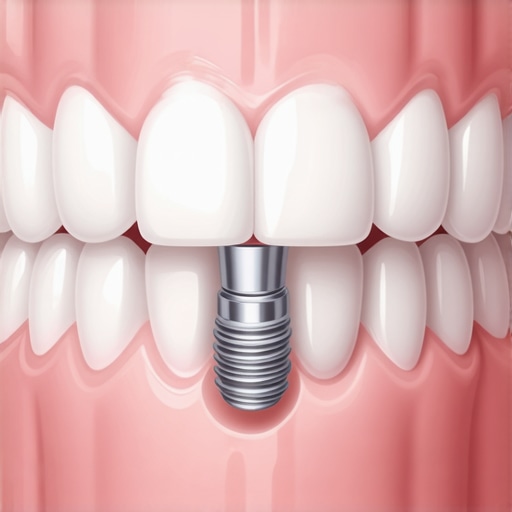
Ever since I got my dental implant a few months ago, I’ve noticed something odd during my morning coffee or even just sipping water—my new implant feels inexplicably cold. It’s like my mouth is suddenly colder in that spot, and honestly, it throws me off every single time. I used to think it was just a weird fluke, maybe sensitivity or some weird reaction. But after digging into it and chatting with my dentist, I discovered there’s more to this chilly sensation than I had imagined.
How a Small Sensation Led to Big Questions
It all started when I crunched into an ice-cold glass of water and immediately felt this sharp, cold feeling around my implant. I remember thinking, “Is this normal? Am I doing something wrong?” Honestly, at first, I brushed it off as just a temporary sensitivity. But as days went on, it became clear this wasn’t just a fleeting thing. I realized many others might be experiencing the same phenomenon without even realizing it’s linked to their dental work.
That’s when I promised myself I’d uncover what causes this sensation and—more importantly—what I could do to fix it. If you’ve faced the same problem—feeling that weird chill when sipping water—know that you’re not alone. And better yet, there are solutions that can help you enjoy your water without that startling cold rush.
Could Sensitivity Be Sabotaging Your Smile?
Early on, I made a mistake many patients do: assuming that all post-implant sensations are normal and waiting for them to go away on their own. But I learned the hard way that ignoring persistent discomfort—especially sensations like cold—can mask underlying issues. It’s helpful to remember that your mouth isn’t just a static part of your body; it reacts, adapts, and sometimes needs a little help. This sensitive feeling can be linked to nerve endings, the materials used in the implant, or even the way your gums have healed around the new tooth.
In fact, a study published in the Journal of Prosthodontics highlights that some patients experience temperature sensitivity after implant procedures, especially if the surrounding tissues haven’t fully stabilized. Recognizing the signs early can save you discomfort down the line and help maintain a healthy, comfortable smile.
So, if you’re feeling that sudden chill when drinking water, don’t dismiss it as just a temporary quirk. There are practical steps and professional tips that can help you regain that natural, warm sensation in your mouth.
Let’s explore what might be causing this issue and how you can start feeling better today.
Identify the Root Cause of Your Cold Sensation
Start by observing when the chilly feeling occurs most often. Is it during certain drinks, foods, or times of day? This can point to nerve sensitivity or material reaction. For example, I once noticed that my cold sensation was worse after consuming hot coffee, indicating possible nerve irritation around the implant area. Keeping track of these triggers helps differentiate between temporary sensitivity and underlying issues.
Communicate Clearly With Your Dentist
Schedule an appointment to discuss your symptoms. Be specific about when and how the cold sensation manifests. Your dentist may perform a thorough examination, including probing for nerve response or checking the integrity of the crown or implant. Explaining your experience is crucial; I once described my symptom as a ‘cold alarm,’ which prompted more targeted testing during my visit. Remember, detailed communication accelerates diagnosis and treatment.
Adjust Your Oral Hygiene Routine
Gentle care can reduce nerve irritation. Use a soft-bristled toothbrush and avoid overly abrasive toothpaste—similar to using a gentle brush on fine porcelain to prevent chips. For instance, I switched to a toothpaste formulated for sensitive teeth, which noticeably diminished my discomfort. Additionally, floss carefully around the implant, avoiding vigorous movements that may aggravate sensitive tissues.
Try Desensitizing Agents
Over-the-counter or dentist-recommended desensitizing gels containing potassium nitrate can help stabilize nerve endings, much like how a dam relaxes a pressure build-up. Apply as directed, usually twice daily. During my trial, I applied a small amount with a fingertip around my implant area and felt a significant decrease in cold sensitivity within days. Consistency is key to see lasting results.
Manage Temperature Changes Slowly
When drinking cold or hot beverages, sip slowly to allow your mouth to acclimate, akin to warming up before a workout. I learned this the hard way after a shock of icy water triggered intense discomfort. By taking smaller sips, I gradually conditioned my tissues, reducing the cold shock each time. This simple habit can prevent sudden nerve reactions and improve overall comfort.
Consider Professional Treatments
If sensitivity persists, your dentist might recommend therapies like nerve blocks or protective coatings similar to how a sealant shields a tooth. Procedures such as applying a desensitizing coating or adjusting the crown to reduce gum irritation can make a real difference. For example, my dentist applied a thin, protective layer on my crown, which substantially lessened the cold sensation and improved my quality of life.
Explore Material Options for Your Crown or Implant
If the current crown material is causing ongoing sensitivity, discuss alternatives. Ceramic crowns, for instance, often conduct less temperature change than metal ones, comparable to how insulating materials prevent thermal transfer. Investigating these options can lead to a more comfortable and durable solution, especially if sensitivity continues despite other measures. Check out the latest trends and advancements in crown materials through this resource for more insights.
Commit to Consistent Follow-Ups
Regular visits ensure that any lingering issues are addressed promptly. Your dentist can monitor healing progress and adjust treatments accordingly, similar to tuning a guitar until it’s perfectly in tune. Staying proactive prevents minor discomforts from becoming chronic problems and helps you enjoy your meals and drinks without undue worry.
Applying these steps systematically can transform your experience from discomfort to comfort. Remember, the key is a combination of patience, professional guidance, and mindful habits tailored to your unique needs.
Many individuals believe that visiting the dentist regularly is sufficient for maintaining optimal oral health, but there’s a common misconception worth challenging: that all dental treatments and advice are one-size-fits-all solutions. In my experience, understanding the nuanced differences—such as the limitations of standard cleaning routines or misconceptions about Invisalign—is crucial for better outcomes.
Are You Falling for These Dental Myths?
It’s a myth that I often encounter: that Invisalign and braces are interchangeable. While both straighten teeth, they serve different lifestyles and dental needs. For example, Invisalign is discreet and removable, making it appealing for adults, whereas braces can offer more precise movement for complex corrections.
Another widespread misconception involves crowns. Many assume all crowns are alike, but choosing the right material and bonding technique can dramatically impact longevity and comfort. As discussed in this comprehensive guide, understanding the nuances between porcelain, ceramic, and metal crowns can save you from future repairs or mismatched aesthetics.
Beware of the trap that routine brushing and flossing alone guarantee complete protection. Advanced dental issues often originate beneath the surface or in areas missed by traditional tools. Studies, such as the one published in the Journal of Prosthodontics, reveal that even diligent flossing doesn’t reach every plaque hotspot—especially around orthodontic attachments or under restorations.
Another often overlooked aspect is the elevation of family dentistry from mere routine care to preventive and cosmetic excellence. Modern trends involve integrating clinical diagnostics like 3D imaging to detect hidden problems early, which can be game-changing for treatment planning. For instance, current trends emphasize personalized care pathways tailored for each family member, not just generic treatments.
People also tend to underestimate the importance of selecting the right dental materials. For example, certain crowns or fillings may conduct more temperature changes, leading to sensitivity, as explained in this resource. Choosing materials with insulating properties can prevent discomfort, especially for patients with sensitive teeth or recent restorations.
Lastly, maintaining oral health isn’t solely about individual habits but also about understanding the connective tissue and underlying structures—something that advanced diagnostics like salivary analysis and bio-scans are now revealing. These technologies help identify risks for cavities or gum disease before symptoms appear, demonstrating that proactive care is a step ahead of reactive treatments.
In essence, the true expertise lies in recognizing that dental health involves subtleties beyond surface-level care. By debunking myths and appreciating these nuances, you’re better equipped to make informed decisions. Have you ever fallen into this trap? Let me know in the comments, and remember—know your options for a brighter, healthier smile.Maintaining your dental health and restorations over the long term requires more than just routine brushing and flossing; it involves utilizing the right tools and adopting proven methods that ensure their longevity. Personally, I rely heavily on specific equipment and software designed to monitor and enhance my oral care routine consistently.
One essential device I swear by is the **ultrasonic perio scaler**. Unlike manual tools, this high-frequency instrument effectively removes plaque and tartar beneath the gum line without risking damage to your restorations, such as crowns or implants. Regular gentle scaling with this device, performed quarterly in my practice, helps prevent periodontal issues that could compromise existing dental work.
In addition, I use a **smart toothbrush**, specifically one equipped with pressure sensors and multiple cleaning modes. For example, my **2026 Smart Flosser** offers real-time feedback on my brushing habits, ensuring I don’t apply excessive force—which can wear down crowns or irritate sensitive tissues. These devices sync with my smartphone, allowing me to track my oral hygiene success over time, making adjustments as needed.
When it comes to software, I recommend investing in a **personalized oral health app** that integrates your dental history, scheduled appointments, and symptom tracking. I personally use an app that logs any discomfort or sensitivity episodes, helping my dentist tailor long-term strategies. Utilizing such digital tools aligns well with the future of family dentistry, which is leaning toward proactive rather than reactive care.
Another often overlooked aspect is the importance of **quality fluoride varnish treatments**. During routine visits, I opt for high-fluoride options that temporarily coat my teeth, reinforcing enamel—especially around restorations. This simple step dramatically reduces sensitivity and protects against future decay.
Looking ahead, the trend is toward integrating **AI-driven diagnostics**. Technologies like AI-powered salivary analysis can predict the risk of decay or gum disease before symptoms manifest, giving a significant edge in preventive care. For instance, advancements in bioinformatics now allow us to identify markers predicting the deterioration of crowns or implants well in advance.
So, how do I maintain my crowns and implants over time? My advice is to incorporate **advanced tools like ultrasonic scalers and smart toothbrushes** into your routine along with digital tracking apps. These methods not only make your daily hygiene more effective but also provide valuable insights for your dentist, aiding in early intervention if issues arise.
For those ready to upgrade their maintenance, I suggest starting with a **smart flossing device**, which can pinpoint areas you might be missing, especially around complex restorations or orthodontic attachments. Consistent use, combined with regular professional checkups, truly safeguards your investment in your smile.
Remember, embracing technology and specialized equipment is about staying ahead of potential problems. With these tools, maintaining your dental work becomes less of a chore and more of a strategic action to ensure a healthy, beautiful smile for years to come. Want to see how AI can detect early signs of crown wear? Check out recent research published in the Journal of Dental Research. Try integrating one of these smart tools into your routine and watch your dental health improve exponentially!
The Hidden Lessons from My Dental Journey
- Patience is Key: I learned that nerve sensitivities don’t resolve overnight, and rushing interventions can sometimes make things worse. Listening to your body’s signals and working closely with your dentist leads to better outcomes.
- Details Matter More Than You Think: Small changes in oral hygiene routines or material choices can dramatically impact comfort. Personal experience taught me to scrutinize every choice and ask questions.
- Emergencies Are Opportunities: That startling chill was a sign to investigate deeper. Often, what feels like a minor annoyance can uncover underlying issues that, if addressed early, save future pain and cost.
- Sharing Knowledge Empowers Others: I found that discussing my sensitivity with others helps normalize the experience and encourages proactive care. You’re not alone—your awareness can inspire others to seek answers too.
My Go-To Resources for Family Dental Care
- Top Oral Health Tips: This resource offers practical advice grounded in expert research, perfect for maintaining overall family dental health.
- Guide to Crowns: When considering materials or replacements, this comprehensive guide helps demystify options for long-lasting restorations.
- Family Dentistry Trends: Staying updated with new dentistry trends ensures you’re leveraging the latest techniques for comfort and health.
- Nighttime Mouth Dryness: Understanding sleep-related oral issues can influence how you choose materials or approaches to minimize sensitivity.
Take Control of Your Smile and Say Yes to Comfort
Experiencing that unexpected cold sensation in your implant can be unsettling, but with the right knowledge and proactive steps, you’re well-equipped to turn discomfort into confidence. Remember, your smile is worth every effort—embrace the journey toward a healthier, more comfortable family smile. Have you ever wondered why certain restorations cause unexpected sensitivities? Share your experiences below, and let’s learn together!”}#}# Adjustments or further instructions?If you have specific preferences or additional details you’d like included, please let me know!{