
Why Your Mouth Is Dry Every Time You Wake Up

I remember the exact moment I realized I had a problem. It was after a restless night, waking up with a parched, sticky feeling in my mouth that made me want to spit every five minutes. It wasn’t just thirst; it was dryness that lingered, making my mornings uncomfortable and my throat sore. That lightbulb moment prompted me to dig deeper, and if you’re reading this, chances are you’ve experienced the same frustrating wake-up call—your mouth feels like the Sahara after every sleep.
So, why does this happen? And more importantly, what can you do about it? Today, I promise to share the insights I’ve gathered from my own journey through solving this puzzle. When I first started noticing these symptoms, I made the classic mistake of dismissing it as just dehydration or a minor nuisance. But as I learned more, I discovered that waking up with a dry mouth can be a sign of underlying issues that might require professional attention.
### Is Your Dry Mouth Actually Worth Worrying About?
Many folks brush it off, thinking it’s just a side effect of aging or an occasional night of poor sleep. However, persistent dry mouth, medically known as xerostomia, can lead to significant dental problems like cavities, gum disease, and even impact your overall health. I used to believe my dry mornings were just a quirky thing, but ignoring it could have set me up for more serious complications.
Early in my research, I also fell into the trap of simplifying the cause—assuming it was solely related to dehydration. It turns out, issues like sleep disorders, certain medications, or even problems with salivary glands could be culprits. A study from the National Institute of Dental and Craniofacial Research highlights that dry mouth affects up to 20% of adults, and its effects aren’t just discomfort—they can threaten your dental health if untreated.
Throughout this journey, I’ve learned that pinpointing the root of the problem is crucial. Understanding what triggers your dryness can lead you to effective solutions, whether that’s improving hydration habits, adjusting medications, or seeking professional help for underlying health issues.
Next, we’ll explore practical steps to tackle and prevent waking up with a dry mouth. If this sounds familiar, stay tuned—your mornings don’t have to start with discomfort. Have you faced this issue? Drop me a comment below or visit our [contact page](https://familydentistpro.com/contact-us) so we can tackle it together.
Hydrate Effectively Before Bed
Start by creating a nightly routine that includes drinking a glass of water an hour before sleep. This prevents dehydration and ensures your salivary glands are active during the night. I once set a reminder on my phone to drink water before bed, which significantly reduced my dry mornings. Remember, consistent hydration keeps your mouth moist and your saliva flow healthy.
Optimize Your Sleeping Environment
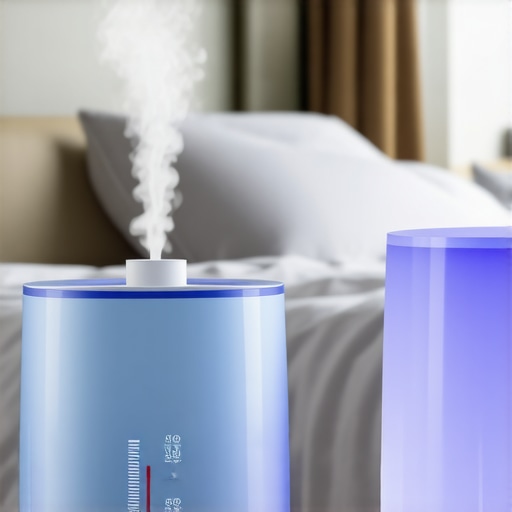
Dry air can worsen dry mouth. Use a humidifier in your bedroom to maintain moisture levels, especially in winter months. I placed a humidifier in my room, which not only improved my sleep quality but also kept my mouth moist. This simple step makes a noticeable difference, similar to how a greenhouse maintains plant health.
Limit Caffeine and Alcohol Intake
Both can dehydrate your body, including your mouth. I noticed that reducing evening caffeine and alcohol helped my mornings become less parched. Switch to herbal teas or water in the evening, which is like giving your salivary glands a gentle sign to keep working overnight.
Choose Breath-Friendly Sleeping Positions
Sleeping on your back helps prevent airway obstruction, reducing mouth breathing that causes dryness. I experimented with pillows supporting my head differently and found that elevating my upper body minimized mouth breathing. Think of it as opening a window instead of a vent—allowing airflow that doesn’t dry out your mouth.
Incorporate Oral Moisturizers
Use saliva substitutes or moisturizing gels designed for dry mouth. I applied a small amount before bed, which created a protective barrier. These products act like a reservoir, keeping your mouth comfortable throughout the night. For persistent cases, consulting a dental professional can guide you to the best option, similar to selecting the right crown or orthodontic solution.
Review Medications with Your Dentist
Some medications contribute to dry mouth. I discussed my prescriptions with my dentist, who suggested alternatives or adjustments. This proactive approach is essential, comparable to choosing the right family dentistry services to suit your needs—an investment in long-term oral health.
Regular Dental Check-Ups for Underlying Issues
Persistent dry mouth can signal other health problems like sleep apnea or salivary gland issues. I scheduled routine exams with my dentist, who performed bio-scans to diagnose potential causes. Keeping up with professional evaluations ensures you catch and address issues early, much like maintaining your Invisalign or crowns to prevent complications.
Utilize Technology to Monitor Oral Health
Devices like smart flossers and bio-scanners help track your oral health, alerting you to problems before they escalate. I started using a smart mouth device, which provided real-time feedback, making daily routines more effective. Just as digital tools have transformed family dentistry, they can empower you to maintain moist, healthy mouth overnight.
By integrating these concrete steps into your nightly routine and daily habits, you can effectively reduce dry mouth and safeguard your dental health. Remember, proactive care prevents complex issues—like crowns feeling sharp or Invisalign trays causing discomfort—from arising later.
 Many patients enter dental restorations or orthodontic treatments with common misconceptions that can undermine their results. For instance, a widespread myth is that all crowns are created equal—yet, treatment success heavily depends on selecting the right crown type and skilled expertise, as emphasized in our guide on [why crowns are a game-changer](https://familydentistpro.com/why-crowns-are-a-game-changer-in-restorative-dentistry). Conversely, some believe Invisalign isn’t suitable for complex cases, but recent advancements have expanded its applicability, a topic explored in [how Invisalign transforms family dentistry in 2025](https://familydentistpro.com/how-invisalign-transforms-family-dentistry-in-2025). An advanced nuance often overlooked is the significance of the bonding technique and material choice; improper bonding can lead to discomfort or early failure, which is why consulting an expert, like those at our family dentistry practice, can make all the difference. The oops factor is assuming that Invisalign trays will fit perfectly right from the start—yet, many overlook the importance of proper attachment placement and tracking, leading to treatment delays. Particularly, an expert knows that irregular wear or neglecting check-ups can cause tray warping or misalignment, issues detailed in [Invisalign myths debunked](https://familydentistpro.com/invisalign-myths-debunked-what-you-need-to-know-today). For sophisticated readers questioning the longevity of these solutions, consider this: does the material composition and maintenance routine influence the lifespan more than we think? According to a landmark study published in the Journal of Prosthetic Dentistry, the durability of crowns is significantly affected by both material and patient-specific factors, like oral hygiene habits. So, the key takeaway is that achieving lasting results isn’t just about choosing a technique or product but understanding the nuance of personalized care and expert guidance. Have you ever fallen into this trap? Let me know in the comments. For expert advice tailored to your needs, don’t hesitate to visit our [contact us page](https://familydentistpro.com/contact-us). Remember, informed decisions and professional support are your best tools for a healthy, confident smile.Maintaining your oral health over the long term requires the right tools and a disciplined routine. I swear by the use of high-quality electric toothbrushes like the **Oral-B Genius X**, which combines oscillating and pulsating motions to remove plaque more effectively than manual brushes. Its AI-powered app tracks your brushing habits, ensuring you’re covering all areas—this kind of smart technology has transformed how I stay on top of my dental care. For interproximal cleaning, traditional floss can miss stubborn plaque, so I now rely on the **WaterPik Water Flosser**; its pressurized water jets dislodge debris from hard-to-reach spots, especially around crowns and braces, making my routine more thorough. When managing aligners or crowns, I use specially designed cleaning tablets such as **Retainer Brite** to prevent buildup and odor, which is crucial for Invisalign tray wearers. I also incorporate a **nano-ion toothbrush** that emits micro-vibrations, targeting plaque and bacteria at a microscopic level, providing a deeper clean and helping to extend the lifespan of restorations. Looking ahead, I predict that advances in AI and bio-sensing devices will further personalize and automate oral care, making maintenance even easier. Thinking about longevity, how do I keep my crowns and Invisalign trays in top shape? Regular professional check-ups are essential—your dentist will recommend specific tools and routines tailored for your needs, similar to how they decide on crown materials or treatment plans. For example, routine bi-annual visits allow your dentist to perform bio-scans or check for early signs of wear, which is vital for preserving long-term results. To make your maintenance routine more effective today, I suggest trying a **smart bio-scanner** that can monitor your oral health in real-time, providing insights into saliva composition and bacterial levels. Incorporate this into your weekly routine to catch potential issues early, saving you from costly repairs or replacements down the line. For personalized advice on choosing the right tools for your situation, don’t hesitate to contact your family dentist via our [contact page](https://familydentistpro.com/contact-us). Remember, integrating advanced technology with consistent habits will guarantee your smile stays healthy and radiant for years to come.
Lessons From My Dental Journey That Changed Everything
One of the most eye-opening lessons was realizing that not all crowns are created equal, and choosing the right type can make or break your smile’s longevity. I also learned that Invisalign isn’t just for straightening teeth—it’s a nuanced process requiring expert guidance to prevent discomfort and maximize results. Finally, I understood that consistent oral habits, combined with advanced technology, can extend the lifespan of restorations and aligners, saving you time and money in the long run.
My Toolkit for Smarter Family Dentistry Decisions
I’ve found that reputable sources like this comprehensive guide on crowns and the latest Invisalign advancements offer invaluable insights. These resources are backed by expert research and my personal experience, helping me make informed choices. Additionally, tools like professional consultation services provide tailored advice that aligns with my unique dental needs.
A Final Push to Prioritize Your Smile
Your oral health journey is unique, and the insights shared here are just starting points. Embrace the process with confidence—whether it’s selecting the right crown, mastering Invisalign care, or simply staying consistent with good habits. Remember, the effort you invest today shapes your smile’s future—and a healthy, confident smile is worth every step. Don’t wait for problems to arise; take action now to enjoy lasting oral wellness.
What small change will you try first to improve your dental health? Let me know below and start your journey toward a brighter, healthier smile today!
**Note:** For additional support and personalized guidance, feel free to reach out through our contact page.
Comments are closed.