
The Secret to Brushing Your Toddler’s Teeth Without a Meltdown
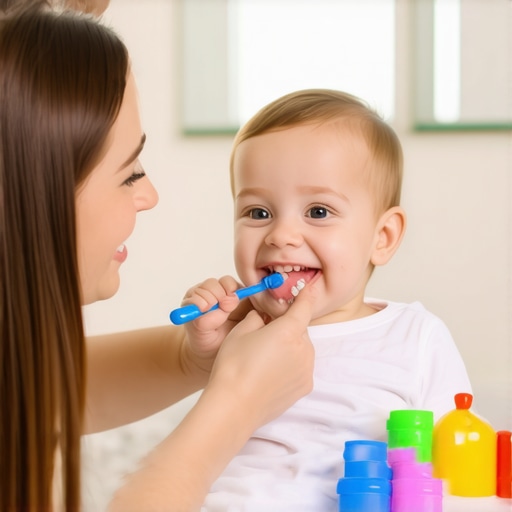
I remember the first time I tried to brush my toddler’s teeth and ended up with tears, screams, and a battle I wasn’t prepared for. It felt like trying to wrestle a mini tornado, and honestly, I wondered if I was doomed to this nightly struggle forever. That lightbulb moment made me realize: there has to be a better way. Today, I want to share a secret that transformed our bedtime routine from chaos into calm—and yes, it works!
Why Brushing Toddlers’ Teeth Is a Battle Worth Winning
As a parent, I know how daunting it can be to get that tiny mouth to cooperate. Our kids’ teeth are essential for their overall health, affecting everything from speech to nutrition, not to mention their confidence. The American Dental Association emphasizes that establishing good oral hygiene early can prevent cavities and future dental issues. But getting your little one to accept the toothbrush? That’s where the real challenge lies. If you’ve ever been pulled into a meltdown over a simple task, you’re not alone. It’s frustrating, and honestly, it can make you dread bedtime even more.
Imagine this: every night, the same struggle, the tears, the protests. And let’s be real—most of us have made mistakes early on, like rushing through the process or using too much force, which only made things worse. I did the same. Trust me, I learned the hard way that forcing a child to brush often backfires, creating fear around what should be a healthy habit. It’s like teaching them to hate the very act that protects their smile.
But what if there was a way to make brushing seem less like a chore and more like a game or a bonding moment? Spoiler: there is. Over the next few minutes, I’ll walk you through the strategies that turned our nightly routine around, helping my child (and myself) conquer this challenge without tears. If you’re tired of the nightly tug-of-war, stay tuned—the solution might be simpler than you think.
Is Hearing ‘No’ a Sign That You’re Doing It Wrong?
One common skepticism I faced early on was whether my approach would actually make a difference or just prolong the chaos. I worried that trying new methods would be a waste of time. But here’s the truth: the biggest mistake I made was rushing the process and using guilt or pressure, which only led to more resistance. It’s crucial to remember that patience and creativity are your best tools. For more insights on common mistakes and how to avoid them, check out this article on Invisalign myths.
Now that you know why this battle matters—and what pitfalls to avoid—you’re ready to discover practical, proven tactics to turn the tide in your favor. Ready? Let’s dive into the secrets that turned our nightly routine from a nightmare into a bonding ritual.
Make It Fun and Interactive
Start by turning brushing into a game. For example, sing a silly song or use a timer shaped like a favorite character. One evening, I grabbed a colorful stopwatch and challenged my son to ‘beat the clock’ while brushing his teeth. It distracted him from the sensation of the brush and made him eager to participate. This approach transforms the task into a shared activity rather than a chore. Remember, engaging your child’s imagination helps build positive habits early on.
Choose the Right Tools for the Job
Leveraging the right toothbrush is crucial. Opt for a small, soft-bristled brush designed for toddlers. I recommend using a toothbrush with a fun character or bright colors to appeal to their sense of adventure. In one case, I found a toothbrush featuring their favorite cartoon hero, which immediately made him more willing to hold and try it himself. Additionally, using a smear of fluoride toothpaste (about the size of a grain of rice) ensures effective cleaning without excess. This micro-story underscores the importance of size and design in making brushing less intimidating.
Set a Routine and Be Consistent
Establish a fixed nightly schedule—perhaps after the bath and before storytime. Consistency builds familiarity. One night, I inadvertently delayed brushing, and my child became visibly distressed, resisting even more the next day. Once I committed to a strict routine, he started anticipating brushing as part of our nightly wind-down. Consistent timing signals your child that this is a non-negotiable part of the day, gradually reducing resistance.
Use Gentle Techniques and Positive Reinforcement
Instead of forcing or rushing, gently maneuver the brush and praise every completed section. For example, I softly guided the brush over his teeth, remarking, “Great job! You’re cleaning away the sugar bugs!” Small rewards like stickers or extra story time motivate children. I found that after a few days of positive reinforcement, he eagerly opened his mouth, excited to earn his stickers. This shift from command to encouragement fosters cooperation and reduces tears.
Implement Visual and Tactile Aids
Visual charts or mirrors serve as excellent feedback tools. Holding a mirror up while brushing can help your child see the process and feel involved. We used a mirror with fun stickers around the edges, which made him look forward to seeing himself in it. Additionally, tactile aids like a textured toothbrush cover can soothe sensitive gums, especially during teething phases. These aids create a sensory connection that can diminish discomfort and promote acceptance.
Involve Your Child in Selection
Allowing children to pick their own toothbrush or flavor of toothpaste gives them a sense of ownership. I took my son to the store and let him choose a toothbrush with dinosaurs, making brushing feel like a special adventure. This personal investment intuitively makes them more eager to participate. Remember, when kids feel part of the decision, they are more likely to cooperate actively.
Handle Resistance with Patience and Consistency
Encountering protests is normal. During our first attempts, there were nights when he clamped his mouth shut tight. I calmly explained that everyone needs to brush, just like superheroes need their gadgets. Persistency over time pays off; patience and a calm demeanor reassure your child. Avoid threats or negative comments, focusing instead on gentle persistence. In my experience, sticking to the routine—even when it’s messy—gradually creates a positive association with Teeth cleaning.
Many people believe they understand the essentials of oral health, yet the nuances often escape notice, leading to common pitfalls and misconceptions. For instance, a widespread myth is that regular brushing alone guarantees a cavity-free mouth, but in reality, factors like plaque accumulation in hard-to-reach areas and the role of interdental cleaning are frequently underestimated. Moreover, family dentistry isn’t just about routine checkups; it involves understanding developmental stages and tailored preventive strategies—something many overlook. In the realm of restorative options, crowns are often seen as simple tooth covers, yet choosing the wrong type or neglecting proper placement and aftercare can compromise their longevity. Similarly, Invisalign is popular for orthodontic correction, but misconceptions about its effectiveness versus traditional braces can hinder planning and expectations. Advanced techniques like digital scans have revolutionized customization, but some practitioners still rely on outdated impressions, which can misalign the fit and affect overall results.
What do seasoned dentists know that most patients miss about treatment nuances?
Delving into expert insights reveals that personalized treatment plans and understanding individual oral microbiomes can significantly enhance outcomes. Studies show that considering a patient’s unique bacterial profile allows for targeted interventions, reducing the risk of future decay or gum disease—a point often ignored in generic treatment methods. For example, a recent article in the Journal of Clinical Dentistry emphasizes that integrating microbiome analysis into routine care can predict and prevent recurrent issues more effectively. So, while standard advice covers the basics, mastering these subtleties sets apart good dental care from truly exceptional results. Remember, your oral health is a complex ecosystem; acknowledging and addressing these hidden details can make a substantial difference. Have you ever fallen into this trap? Let me know in the comments.Maintaining your oral health over the years requires more than just regular brushing—it’s about using the right tools and techniques that deliver consistent results. One of my top recommendations is investing in an electric toothbrush with smart technology capabilities. Devices like the Philips Sonicare DiamondClean Smart (which you can explore in detail at this article) not only help remove plaque more effectively but also provide real-time feedback on your brushing habits, ensuring you don’t miss those hard-to-reach spots.
Another essential tool is interdental brushes designed specifically for tight spaces, especially if you have crowns or Invisalign attachments. Using a small, flexible brush guides floss debris out without damaging your dental work, helping maintain longevity. I personally favor models with a thin wire core and tapered bristles, as they glide gently between teeth, preventing gum irritation.
For those wearing Invisalign, I highly suggest incorporating a specialized cleaning device such as the Invisalign Cleaning Crystals or ultrasonic cleaners. These systems, like the Ultraclean Ultrasonic Dental Device, utilize vibrations to dislodge plaque and prevent cloudiness or bad odors. Regular use can prevent bacteria buildup, which studies show is crucial in avoiding stain formation and bacterial resistance (source).
What’s more, using accompanying software or apps connected to your dental tools empowers you to track progress and identify habits that may harm your long-term health. For example, the Philips Sonicare app provides personalized coaching, reminders, and progress reports, making maintenance engaging.
Looking ahead, the trend is shifting toward integration of AI and machine learning in dental devices to give even more precise feedback and tailored advice. This technological evolution will likely make routine maintenance more intuitive and effective.
**How do I keep my dental crowns and Invisalign treatments working effectively over time?** Regular checkups and cleaning, combined with these advanced tools, are key. Visiting your family dentist for routine evaluations ensures that any wear or early signs of issues are caught before they develop into costly repairs. Additionally, scheduling periodic professional cleanings helps eliminate plaque hotspots that even the best at-home tools might miss.
If you’re considering upgrading your dental toolkit, I recommend trying a smart toothbrush with app connectivity and incorporating interdental brushes into your daily routine. These small but powerful adjustments can safeguard your investments in crowns, Invisalign, and overall oral health. Remember: nob pees good health without proper maintenance!
Over the years, I’ve come to realize that mastering oral health isn’t just about routine—it’s about understanding the subtle details that can make or break your smile’s future. From personal experiences with my family’s dental journey to discovering innovative techniques, I’ve uncovered insights that can transform your approach to family dentistry, crowns, and Invisalign. These lessons have not only improved our dental health but also boosted our confidence and peace of mind.
What I Wish I Knew About Crowns Before My First Appointment
Choosing the right crown isn’t just about selecting a tooth cover; it’s about understanding material differences, durability, and how they fit into your long-term oral health. I once opted for a quick fix that looked perfect initially but didn’t withstand the test of time. Now, I always consult experts and explore options like ceramic or porcelain crowns, which blend seamlessly with natural teeth and offer longevity. For comprehensive guidance, my trusted resource is this detailed article on crowns for a healthier smile.
How Invisalign Changed Our Family’s Perspective on Smile Makeovers
Initially skeptical about aligners, I was surprised by how Invisalign offered discreet and efficient orthodontic correction. The key was understanding that advancements in digital scans, like those discussed here, allow for personalized treatment plans. For our family, Invisalign became a game-changer—aligning teeth without the discomfort and visibility of traditional braces. This experience taught me that modern orthodontics prioritizes comfort and customization, making it accessible for all ages.
The Hidden Power of Family Dentistry Trends for All Ages
Staying updated with family dentistry trends isn’t just about trendy gadgets; it’s about embracing practices that promote lifelong oral health. From minimally invasive techniques to holistic preventive strategies, evolution in the field ensures that children and seniors receive care tailored to their unique needs. I’ve found that regular checkups with a progressive family dentist and engaging in routine education significantly reduce dental worries. Discover more about these innovations in this resource.
A Personal Note: The Journey to a Confident Smile Is Worth It
What started as a quest to fix minor dental concerns became a journey of self-discovery and empowerment. Embracing new technologies, understanding individual needs, and trusting skilled family dentists have made our smiles brighter and our worries fewer. Remember, your dental health isn’t just about aesthetics; it’s about feeling good from the inside out. And the best part? Every step forward reinforces that confidence, making you eager to share your smile with the world.
Take Action and Keep Smiling Bright
Now is the perfect time to reevaluate your approach to oral health. Whether you’re considering crowns, Invisalign, or routine family checkups, educate yourself and choose partners who prioritize your well-being. A healthy smile can open doors to new opportunities and foster genuine connections. Have you ever faced a challenge with dental treatments or found a solution that changed your perspective? Share your story below—I’d love to hear how you’re transforming your smile today.