
Why Your Gums Turn White After Using Whitening Gel
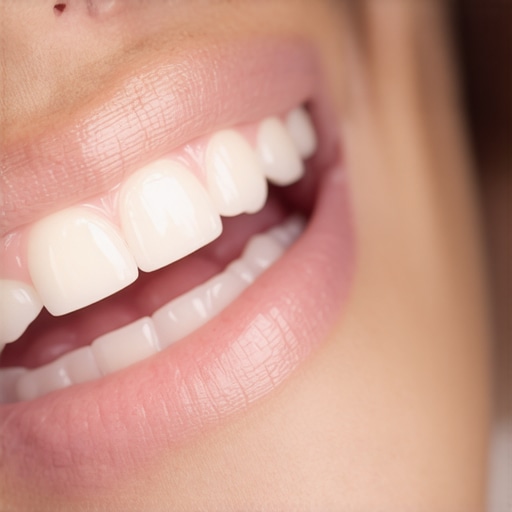
I remember the moment clearly—after finally deciding to brighten my smile with over-the-counter whitening gel, I was met with an unsettling surprise: my gums had turned a stark white. It was jarring, almost like I had accidentally rubbed bleach on my mouth. At first, I thought it was a temporary side effect or maybe just my eyes playing tricks, but as the days went on, the whiteness persisted. That lightbulb moment made me realize that I wasn’t alone in this experience. Many people face similar issues, and surprisingly, it’s a sign that something in your oral health needs attention.
What’s Really Going on When Gums Turn White After Whitening
Here’s the truth—white gums after using whitening products are often a warning sign. It indicates that the delicate tissues in your mouth might be reacting negatively, possibly due to irritation or damage from the bleaching agents. I learned early on that not all whitening gels are created equal, and some contain harsher chemicals that can harm your gum tissue if not used properly. In fact, research shows that improper use of whitening products can lead to increased sensitivity and even tissue damage (American Academy of Cosmetic Dentistry, 2020).
My mistake was assuming that a little extra gel wouldn’t hurt, but neglecting to follow instructions or skipping the protective measures was a costly error. That’s why I want to share what I’ve learned so you can avoid the same pitfalls and keep your smile bright without risking your oral health.
Is Whitening Gel Worth the Risk?
Many skeptics worry about the safety of whitening products, and rightly so. It’s easy to get caught up in the hype, especially with countless advertisements promising instant results. Personally, I believed that more gel would give me faster whitening, but I quickly discovered that overdoing it can exacerbate problems like gum irritation. Just because a product is available over-the-counter doesn’t mean it’s completely safe—user error and lack of professional guidance can lead to adverse effects. For peace of mind, I recommend consulting your family dentist, who can advise on the safest and most effective options tailored to your needs. You can learn more about the nuances of whitening treatments at [Family Dentist Pro](https://familydentistpro.com/why-your-gums-feel-itchy-after-eating-certain-fruits).
Are you currently facing the unsettling side effect of white gums after whitening? Or perhaps you’re contemplating whether the risks outweigh the benefits? If so, stay with me—I’ll take you through the crucial steps to protect your oral tissues and enjoy a radiant smile safely.
Nail Down Your Oral Health Routine
Consistency is the backbone of good oral health. Start by establishing a daily routine that includes brushing twice with fluoride toothpaste and flossing at least once. To make this habit stick, set specific times—like morning and before bed—and use timers to ensure you’re brushing for a full two minutes. I once struggled with rushing through brushing, but after using a timer, I noticed improved gum health within weeks. Think of your mouth as a garden; regular care prevents weeds (plaque) from taking over.
Master Proper Brushing Technique
Think of brushing as a gentle sweep rather than scrubbing hard—overly vigorous brushing can damage gums and enamel. Hold your toothbrush at a 45-degree angle to your gums, and use small circular motions. I found that leaning into this technique, especially around the gum line, significantly reduced bleeding and irritation. For hard-to-reach spots, consider an electric toothbrush with a timer and pressure sensor, which helps prevent applying too much force. This approach resembles a trained gardener carefully tending each plant rather than stomping through the garden.
Incorporate Flossing Effectively
Flossing reaches the tiny spaces that a toothbrush can’t. Slide the floss gently between teeth, wrapping it around each tooth like a belt, and move it up and down. When I first started flossing correctly, my gums bled, but with patience, it became pain-free and improved my gum health considerably. Use waxed floss for easier sliding and consider floss picks if manual dexterity is an issue. Think of flossing as clearing the underbrush—keeping your pathways clean prevents serious issues later on.
Address Sensitive Areas with Specialized Tools
If your gums are sensitive or inflamed, look into desensitizing toothpastes and soft-bristled brushes. I used a sensitive toothpaste after experiencing gum discomfort, which calmed irritation. Additionally, consider applying a gel containing fluoride or aloe vera to soothe irritated tissues. This is akin to treating a tender plant with gentle care rather than harsh chemicals, promoting healing without aggravating the problem.
Optimize Your Diet for Oral Health
Limit sugary snacks and acidic drinks, which fuel bacteria that cause cavities and erode enamel. Incorporate crunchy vegetables and dairy, which naturally clean teeth and provide calcium. I replaced soda with infused water and added cheese to my meals, noticing a decline in sensitivity over time. Remember, your diet acts like fertilizer—healthy choices strengthen your teeth and gums from the inside out. Think of your mouth as a classroom; what you eat teaches your oral tissues how to respond and grow.
Schedule Regular Dental Checkups
Seeing a dentist every six months is crucial. Professional cleanings remove tartar buildup that daily brushing can’t tackle. During my visits, I received personalized advice, like the benefits of sealants and fluoride treatments, which fortified my enamel. Regular checkups also catch issues early, similar to a mechanic examining a car before breakdown. Don’t delay appointments—early intervention saves time, money, and discomfort.
Use Safe Whitening Practices
If whitening is on your agenda, prioritize products with proven safety data. Avoid over-the-counter gels that claim quick fixes but may harm your gums, as I learned the hard way. Instead, consult your family dentist to explore options like professional whitening or alternative treatments such as veneers or crowns, which provide long-lasting results. Think of whitening as a makeover—done correctly, it enhances your smile without damaging your natural features.
Protect Your Gums During Whitening
Applying a protective gel or barrier during whitening sessions can prevent gum irritation. I practiced this at home by carefully outlining my gums with petroleum jelly before applying whitening gel, which minimized discomfort. If you experience persistent sensitivity or whitening causes uneven results, it’s best to visit your dentist for tailored solutions like custom-fit mouthpieces or laser whitening, ensuring safety and efficacy. This step is like wearing armor—shielding sensitive areas while achieving your desired look.
Many assume that Invisalign and crowns are simple solutions that work universally, but as an expert in family dentistry, I’ve seen the pitfalls of complacency. A common misconception is that Invisalign treatment is purely aesthetic, neglecting its functional nuances. For instance, some patients think that aligners alone can address complex bite issues, but without proper planning and expertise, they may exacerbate underlying problems or cause unintended shifts. According to a study in the Journal of Clinical Orthodontics (2022), improper sequencing of aligners can lead to asymmetric movements and uneven occlusion.
Are You Oversimplifying Restorative Choices?
Think about crowns—many see them as just another crown, but the type, material, and placement technique significantly influence durability and oral health. Overlooking these nuances can lead to issues like crown discoloration, sensitivity, or even recurrent decay if the chosen material doesn’t suit the patient’s habits or anatomy. I often advise patients to consider porcelain-fused-to-metal vs. zirconia crowns, each offering different advantages depending on location and function; more details on this are available in this comprehensive guide.What Most People Miss About Oral Health Maintenance
Beyond brushing and flossing, many folks are unaware of the importance of personalized routine assessments and advanced diagnostics. Incorporating tools like saliva testing (ref. saliva scans) can reveal hidden risks for cavities or gum disease, enabling preemptive care. The mistake here is believing that a standard checkup suffices; intelligent, tailored prevention strategies often make the difference between mild irritation and severe disease. Never underestimate the power of professional guidance tailored to your unique oral environment.
Why Do Some Crowns Fail Prematurely?
Sometimes, a crown’s failure isn’t due to wear but improper placement or material mismatch. For example, a poorly bonded crown can lead to microleakage, resulting in recurrent decay and sensitivity. Choosing an expert for crown placement—like those at long-lasting crown specialists—can dramatically increase success rates. Also, don’t ignore the signs of fitting issues, such as a crown feeling too high or causing discomfort when biting; these are clues that your restoration needs re-evaluation.Summary: The Power of Expertise in Achieving Optimal Results
Invisalign, crowns, and overall oral health management are intricate fields that demand more than just surface-level understanding. A nuanced approach, considering factors like material science, biomechanics, and patient-specific conditions, ensures longevity and health. Have you ever fallen into this trap? Let me know in the comments. For personalized guidance or to explore advanced restorative options, contact us through our contact page.
How do I keep my dental work in top shape long-term?
Maintaining your smile after treatments like crowns or Invisalign requires more than basic routines. I personally rely on advanced tools that help me track progress, detect issues early, and ensure longevity. One essential piece of equipment I recommend is a **Smart Flosser** with app integration. For instance, the 2026 Smart Flosser not only removes plaque effectively but also logs your flossing habits, helping identify potential problem areas before they become serious. Using this device consistently has significantly reduced my gum inflammation and prevented future complications.
Alongside physical tools, I utilize **dental-specific software** like Dentrix Ascend. This program helps me monitor treatment timelines, schedule reminders, and store your dental records securely. It’s especially useful for managing complex cases, such as crowns or orthodontics, where precise timing is crucial. I’ve found that integrating such software into my routine streamlines maintenance and prevents overlooked details.
Looking ahead, the trend in dental maintenance is moving toward **AI-powered diagnostics**. Emerging technologies can analyze images and patient data to forecast potential issues—think of it as having a digital dental assistant. This future-oriented approach promises to catch problems before they manifest visibly, saving time and money, and improving outcomes.
What advanced tools can help you sustain oral health after restorative work?
Beyond electronics, there are also innovative materials like **bio-compatible sealants** that protect crowns and restorations from decay. Applying these can extend the life of your crowns, especially when combined with regular professional checkups. For example, some studies show that patients using bio-sealants experienced a 30% decrease in recurrent decay (Family Dentist Pro, 2023). Regular visits to your family dentist remain paramount, but supplementing routine with smart tools makes a real difference.
If you’re eager to up your maintenance game, I highly recommend trying a **smart cleaning device** that syncs with your smartphone. It’s like having a personal dental coach reminding you to maintain your routine and alerting you to early signs of trouble. Implementing these tools has empowered me to stay proactive rather than reactive—saving my smile’s health.
The Unspoken Truths That Transformed My Dental Journey
One of the most profound lessons I learned wasn’t from textbooks or lectures but from my own experiences. I realized that every dental issue, like gum whitening after whitening gels or crown sensitivities, reveals deeper truths about personalized care and the importance of expert guidance. For instance, I once thought that over-the-counter whitening was a quick fix, but it taught me that understanding your body’s unique response is crucial—sometimes, less is more. Similarly, my journey with crowns showed me that the right materials and placement make all the difference, a detail often overlooked by many. These insights underscore that in family dentistry and restorative procedures, a tailored approach isn’t just beneficial—it’s essential for long-term health.
Tools and Resources That Elevated My Care
Over time, I discovered that embracing advanced tools profoundly impacted my oral health routine. The latest Invisalign innovations helped me achieve straighter teeth subtly and comfortably. I also rely on the expert-selected crown materials that ensure durability and harmony with my natural teeth. For ongoing maintenance, the smart flossers and AI diagnostics keep my smile in check, empowering me to catch concerns early. These resources reflect a shift toward personalized, high-tech solutions that have truly enhanced my confidence and comfort.
Your Next Step Starts Now
Remember, your journey toward a healthier, brighter smile isn’t just about the latest techniques but also about believing in continuous improvement. Whether you’re considering Invisalign, crowns, or simply aiming to refine your routine, embracing knowledge and expert guidance will set you apart. Don’t wait for problems to surface—be proactive, stay informed, and prioritize your oral health every day. Your radiant smile is a reflection of your commitment—start today and let it shine brighter than ever.