
The 3 Signs Your Tooth Extraction Site Isn’t Healing Correctly
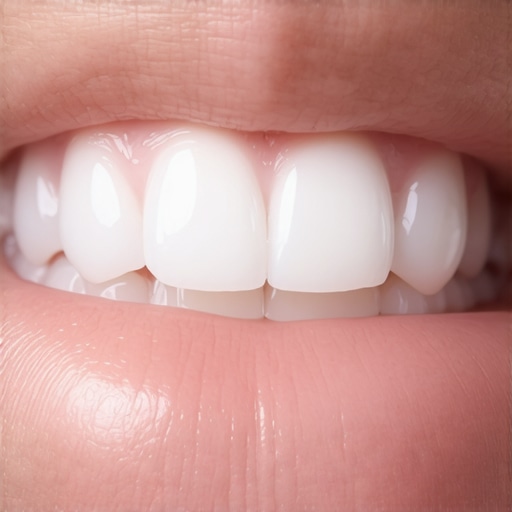
It was late at night when I finally realized that my recent tooth extraction wasn’t healing the way it was supposed to. I had assumed that once the pain died down, everything was fine. But suddenly, I noticed an unpleasant taste lingering, and my gum was still swollen a week after the procedure. That lightbulb moment made me wonder: Was I ignoring the warning signs?
Why the Healing Process Matters More Than You Think
Most people don’t think much about their extraction sites after the procedure—they assume healing happens magically. But ignoring signs of improper healing can lead to infections, prolonged discomfort, or more complex dental issues down the line. Trust me; I learned this the hard way early in my dental journey. Early mistakes included not paying attention to persistent swelling or unusual sensations, which could have been warning signs of complications. According to a study by the American Dental Association, failure to recognize early signs of healing problems can double the risk of infection and other serious issues (source).
Could Your Healing Be Going Off Track? Common Signs to Watch Out For
If you’re wondering whether your recovery is progressing normally, you’re not alone. Many patients overlook subtle signs that things aren’t healing properly. But recognizing these early can save you from pain and costly treatments later. In my experience, paying close attention to your body’s signals and consulting your dentist at the first hint of trouble is crucial. Want to make sure you’re on the right track? Keep reading as I share the top three signs indicating your healing might need some additional attention. Have you noticed any of these in your recovery? Let’s find out.
Now that I’ve set the stage, I’ll guide you through how to identify these signs and what steps to take to ensure your healing stays smooth and safe.
Inspect Your Healing Daily
Start by establishing a routine of daily checks. Use a clean mirror and good lighting to examine your extraction site for signs of normal healing, such as decrease in swelling and absence of excessive redness. A quick visual inspection can catch early issues like persistent bleeding or unusual discoloration, preventing complications. I remember a time I noticed slight discoloration after a few days, which prompted me to contact my dentist promptly. This proactive step caught a minor infection early before it worsened.
Use a Simple Progress Chart
Track your healing milestones with a basic chart. Mark each day with notes about pain levels, swelling, and any unusual sensations. Seeing your progress visually helps maintain motivation and highlights any stagnation or deterioration. For instance, I kept a small notebook last month and noticed that swelling plateaued on day five, which I showed to my dentist during a follow-up.
Maintain Precise Oral Hygiene
Cleanse your mouth gently but thoroughly. Use a soft-bristled toothbrush and a saline rinse to keep the site free from debris and bacteria. Think of it like watering a delicate plant—overly aggressive cleaning can damage the healing tissue, while neglecting it invites infection. Once, I mistakenly brushed too hard near my extraction site, which caused minor bleeding; learning to be gentle made a big difference in my recovery.
Focus on Specific Cleaning Techniques
When rinsing, do so softly and avoid spitting forcefully. Instead, tilt your head to let the rinse gently flow out. Use an interdental brush or a cotton swab to remove food particles from around neighboring teeth. This is especially important with Invisalign trays, which can trap bits if not cleaned properly. Find tips on maintaining your trays at https://familydentistpro.com/how-invisalign-transforms-family-dentistry-in-2025.
Identify and Respond to Warning Signs
Be vigilant for persistent pain, swelling that worsens, foul taste, or bleeding that won’t stop. These are signals that healing isn’t proceeding normally. Imagine your body as a well-oiled machine—if one part squeaks or stalls, immediate attention is needed. In my experience, noticing a bad taste prompted me to see the dentist, where I learned about a developing infection that was treated with antibiotics.
Implement Immediate Interventions
If you observe any concerning symptoms, contact your dental professional without delay. Avoid trying home remedies that mask symptoms, as they can delay proper treatment. Consulting your dentist promptly ensures proper intervention, like antibiotics or additional cleaning, to get your healing back on track.
Adopt Supportive Habits to Accelerate Healing
Enhance recovery by maintaining a nutritious diet rich in vitamins C and D, avoiding smoking and alcohol, and resting adequately. These habits bolster your immune system and facilitate tissue regeneration. I started incorporating more citrus and leafy greens into my meals, which noticeably sped up my recovery process. Think of your body as a construction site—good nutrition provides the materials, and rest allows workers to complete the job efficiently.
Use Gentle Techniques with Dental Accessories
When using floss or interdental brushes, do so carefully around the extraction site. Avoid sharp or aggressive movements that could disturb blood clots or healing tissue. For Invisalign wearers, ensure trays are clean and fit well to prevent irritation. Detailed maintenance tips can be found at https://familydentistpro.com/how-invisalign-transforms-family-dentistry-in-2025, helping you manage your oral health effectively during recovery.
Schedule Regular Follow-Ups
Attend all recommended dental check-ups to allow your dentist to monitor healing. They might perform assessments or in-office cleanings that you can’t do at home. During my last visit, my dentist confirmed that my healing was proceeding perfectly, which gave me peace of mind and reinforced the importance of professional oversight.
Prepare Questions and Concerns Ahead of Visits
Keep a list of any ongoing symptoms or questions. Clear communication ensures your dentist can address issues early. For example, I prepared a list of discomforts and was able to get targeted advice that sped up my recovery.
Implementing these steps requires mindfulness, but each proactive action helps ensure your healing journey is smooth and complication-free. By taking control through regular inspections, precise hygiene, early recognition of problems, and supportive habits, you foster a robust recovery process.
While many people assume they understand the basics of dental crowns, family dentistry, or Invisalign, there are nuanced misconceptions that can trip up even the most diligent patients. For instance, a common myth is that crowns are a permanent fix—however, the longevity of a crown heavily depends on proper maintenance and technique. Many overlook that crowns, especially porcelain ones, can develop microfractures over time if not cared for correctly, leading to costly replacements.
Another overlooked nuance pertains to oral health’s role in restorative procedures. Good oral hygiene is essential, but the timing of treatments like crowns or Invisalign can be critical; rushing into restorative work without addressing underlying gum issues can jeopardize the entire outcome. Research indicates that untreated periodontal disease significantly increases the risk of implant and crown failure, highlighting the importance of comprehensive diagnostics before intervention (source).
Regarding Invisalign, a prevalent myth is that it’s only for cosmetic alignment. In reality, Invisalign can also correct functional issues such as bite discrepancies, but only if the treatment plan considers the patient’s unique occlusion and jaw alignment. Moving beyond the surface, advanced cases require precise planning with digital scans and are best overseen by experienced professionals (learn more here).
But beware of the trap many fall into—believing that DIY whitening or using harsh charcoal toothpaste will preserve their crowns or oral health. These approaches can erode the enamel and cause sensitivity, especially around restorations. An expert tip: regular professional cleanings and tailored maintenance routines preserve both natural teeth and restorations longer.
Why do these misconceptions matter? Because understanding the subtleties allows you to make informed decisions, preventing unnecessary expenses or health issues. For example, using abrasive whitening methods on a crowned tooth can lead to uneven coloration or damage—it’s always better to consult your dentist first.
If you’ve ever fallen into this trap or have questions about optimizing your dental restorations or orthodontic options, let me know in the comments. Remember, staying educated about these nuances will empower you to maintain a healthier, brighter smile for years to come.
Keeping It Working: Essential Tools for Long-Term Dental Success
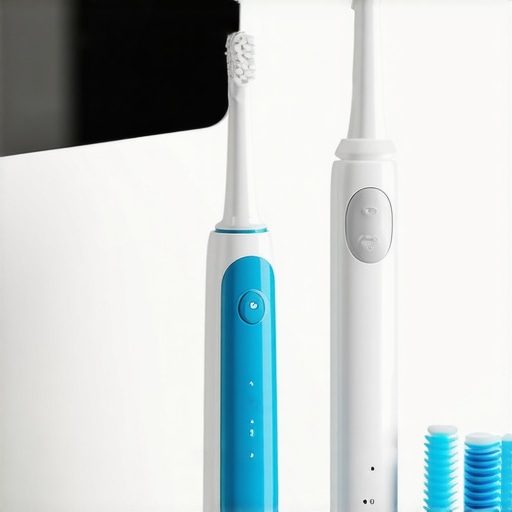
Maintaining your oral health and your dental restorations requires more than just regular brushing and flossing. Investing in the right tools can significantly extend the lifespan of crowns, Invisalign aligners, and other treatments. One tool I personally rely on is a sonic toothbrush. Unlike manual brushes, sonic models deliver thousands of brush strokes per minute, effectively disrupting plaque and reducing the risk of decay around crowns and restored areas. I recommend the Oral-B Genius series because of its multiple brushing modes and built-in timers, ensuring a thorough clean each session.
In addition to a high-quality toothbrush, a water flosser has been a game-changer for my routine. Devices like the Waterpik Aquarius help remove debris from around crowns and orthodontic appliances with gentle water pulses. This reduces bacteria buildup and protects your investment in restorative care. Regular use can prevent plaque from settling into hard-to-reach spots, which is crucial for maintaining long-term results.
Software plays a vital role too. I utilize the Invisalign ClinCheck app to track my treatment progress. Digital monitoring provides real-time feedback, helping me stay aligned with my orthodontist’s recommendations. As digital dentistry evolves, integrating apps that sync with your dental devices offers personalized insights that boost your ability to maintain results over the years.
How do I keep my dental work performing over time?
Beyond tools, consistent maintenance routines are key. Regular professional cleanings, ideally every six months, remove plaque and tartar that at-home tools might miss. Coupled with personalized advice from your dentist, this ensures your restorations remain durable and vibrant. For those with multiple restorations or braces, specialized cleaning techniques and tools—like interdental brushes—can target stubborn buildup and prevent complications.
Looking ahead, I believe wearable sensors will become mainstream, offering continuous monitoring of oral pH levels and bacterial activity. Such advancements could alert you to early signs of decay or gum disease, prompting preemptive action. Staying ahead of potential issues will become easier as technology integrates seamlessly into our daily routines.
What’s the secret to long-term dental health? Consistent, targeted care combined with the right gear.
My tip is to regularly audit your tools and routines. For example, replacing your sonic toothbrush heads every three months prevents bacteria buildup and ensures optimal cleaning performance. Also, learning how to fine-tune your water flosser pressure settings can prevent soft tissue irritation while still disrupting plaque effectively. Implementing these practices makes a substantial difference in how well your dental investments hold up over years.
If you’re serious about extending the life of your crowns or Invisalign treatment, I recommend trying out a water flosser paired with a sonic toothbrush. They do wonders in maintaining oral hygiene and preventing issues that could compromise your results. For personalized advice on your specific needs, don’t hesitate to reach out to your dentist.
Remember, the future of dental maintenance lies in smart, connected tools that help you stay proactive. Incorporate these into your regimen today, and watch your smile stay healthier, brighter, and more resilient for the long haul.
Lessons that Changed My Approach to Smile Care
- Overconfidence in Healing: I once thought that pain relief meant I was fully recovered, but I learned real healing requires vigilance even weeks later.
- The Power of Early Signs: Catching swelling or unusual taste early saved me from more invasive treatments, teaching me to trust my body’s signals.
- My Hygiene Wake-Up Call: A gentle rinse and proper cleaning around crowns prevented discomfort and extended the life of my restorations—simple tricks with huge benefits.
- Real Food, Real Recovery: Incorporating immune-boosting foods helped my tissue regeneration process, proving that what I eat impacts long-term results.
- Professional Check-Ins Are Essential: Regular dental visits catch issues before they escalate, making maintenance easier and more predictable.
Tools that Transformed My Smile Maintenance
- Sonic toothbrushes—I swear by models like the Oral-B Genius for their ability to keep crowns and natural teeth plaque-free. They reach places I can’t manually.
- Water flossers—Devices such as Waterpik Aquarius make cleaning around crowns and Invisalign attachments effortless and thorough.
- Digital Treatment Trackers—Apps that sync with Invisalign, like the ClinCheck, allow me to monitor my progress and stay motivated.
- Personalized Kits—Custom oral hygiene kits tailored for restorations help me avoid unnecessary wear or damage.
Ready to Make Your Smile Last a Lifetime
Remember, your dental health is not just about the moment—it’s a lifelong journey. By applying these insider strategies and using trusted tools, you can ensure your crowns, family dentistry treatments, and Invisalign results stay vibrant and functional for years to come. Your smile is worth the effort, so take action today and protect your investment in health and confidence. Have you tried any of these techniques or tools? Share your experiences below, and let’s keep the conversation going.