
How to stop your gums from bleeding when you start flossing
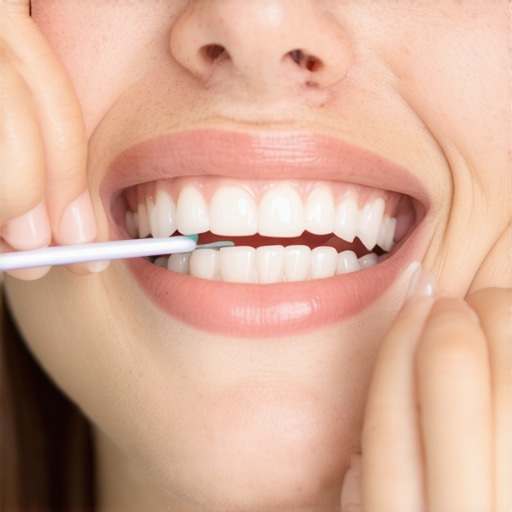
It was a morning like any other, but as I reached for my floss, I noticed something quite unsettling—my gums were bleeding again. Not a little, but enough to make me hesitate, question if I was doing something wrong, and wonder if I’d ever have healthy gums. That moment, raw and a little embarrassing, was my lightbulb moment. I realized many folks struggle with this exact issue, and I definitely wasn’t alone.
If you’ve ever started flossing and ended up with blood all over your fingers and mirror, you’re not just imagining things. Gums that bleed during flossing are more common than you might think, but the good news? There are effective ways to stop this from happening, so you can enjoy a healthier smile without the pain or mess.
Why Gums Bleed When You Floss: The Hidden Truth
First off, let’s clear the air. Bleeding gums during flossing don’t automatically mean you’re doing something wrong. Often, it’s a sign of underlying inflammation or gum sensitivity. When your gums are inflamed, the tiny blood vessels become more fragile, which makes them prone to bleeding—especially when disturbed by flossing.
But here’s the catch: if you experience frequent bleeding, ignoring it can lead to more serious issues like gum disease or even tooth loss. According to the American Academy of Periodontology, bleeding gums are often an early warning sign of gingivitis, the precursor to periodontitis—an advanced gum disease that damages the bone supporting your teeth.
In my early days of flossing, I made the common mistake of pressing too hard or using a rough technique, which only worsened the bleeding. It’s easy to think that if bleeding occurs, you’re doing more harm than good. But the real goal is to learn gentle, effective flossing techniques that protect your gums and promote healing.
Have you faced this frustrating start, or is your bleeding a new concern? Keep reading—I promise, the solution is simpler than you think, and I’ll guide you through it step by step.
Master Gentle Flossing Technique to Reduce Bleeding
Recall my messy morning with bleeding gums? The first step was to adjust my technique. Use a gentle sawing motion, not a harsh force. Think of flossing like threading a thin needle—precision and light pressure are key. During my attempt, I wrapped the floss around my fingers, slowly sliding it between teeth, avoiding snapping or forcing it. The result? I noticed less bleeding within a week as my gums began to heal.
Prepare Your Floss Properly
Break off about 18 inches of floss, winding most of it around your middle fingers, leaving a couple of inches to work with. Keep it taut but not tight, ready to glide smoothly. I found that pre-measuring saved me from fumbling and over-pressing, making my session more effective and gentler on my gums.
Choose the Right Floss and Tools
Not all floss is created equal. I switched to waxed floss, which slides easier and causes less irritation. For tight spaces, I used floss picks, which provide better control. Alternatively, water flossers can reduce trauma altogether, especially if your gums are inflamed. Experiment to find what fits your mouth and sensitivity—because a comfortable tool encourages gentler, more consistent habits.
Incorporate Flossing into Your Routine
Consistency is vital. I set a daily reminder on my phone to floss at night. Making it part of a routine—perhaps after brushing—helps cement the habit. When I floss, I focus on each space, spending a few seconds gently working the floss in—and around—each tooth. Over time, this consistent care reduces inflammation and bleeding, leading to healthier gums.
Address Underlying Causes of Bleeding
Persistent bleeding could point to gum disease or nutritional deficiencies. I scheduled a visit with my dentist, who confirmed that initial bleeding largely subsided with better techniques, diet improvements, and targeted treatments. If bleeding continues despite proper flossing, consult a professional to prevent progression to more serious conditions.
Integrate Flossing with Overall Oral Care
Proper brushing complements flossing. Use a soft-bristled brush at a 45-degree angle, gentle circular motions, avoiding excessive pressure. Using an antimicrobial mouthwash helped reduce bacteria that contribute to inflammation. These combined efforts foster a healthy environment where gums can recover and bleed less over time.
Regular checkups were instrumental. During one visit, my dentist showed me how to adjust my flossing technique further, which made a noticeable difference. Remember, even seasoned flossers benefit from occasional professional advice—especially if issues persist.
Learn from My Early Mistakes
I used to press too hard, causing more bleeding. It’s like trying to clean a delicate surface with a sledgehammer—ineffective and damaging. Switching to a gentle, methodical approach turned my experience around. If you’re struggling, revisit your technique or try alternative tools to ease the process and promote healing.
Many people believe that options like Invisalign or dental crowns are straightforward solutions, but the reality is much more nuanced. For instance, a common myth is that Invisalign treatment is only suitable for minor corrections. However, advanced cases, when carefully evaluated, can benefit immensely from this discreet aligner system, challenging the assumption that braces are always the better choice. To understand if Invisalign genuinely fits your lifestyle, explore detailed comparisons on invisalign vs. braces.
Another misconception revolves around crowns. Many think that a crown is just a quick fix for any tooth damage. In truth, selecting the right crown involves considering material longevity, aesthetic match, and the expertise of your dentist. Poor placement or choosing the wrong type can lead to discomfort, sensitivity, or even the need for replacements sooner than expected. For comprehensive guidance, see choosing the right crown.
In family dentistry, there’s a tendency to overlook the importance of personalized care plans. Every family member’s oral health needs are unique, and applying a one-size-fits-all approach can cause neglect of specific issues, leading to avoidable problems down the line. Recognizing these individual nuances enhances treatment effectiveness, as discussed in family dentistry trends.
The hidden nuance that many miss is the significance of early diagnostics and customized treatment plans. For example, timing when to address certain dental issues can prevent more invasive procedures later. Many assume that restorative solutions are only necessary after problems become visible or painful, but advances in technology now allow for proactive measures. Regular checkups with digital imaging help catch issues before they escalate, ultimately saving time and expense.
Moreover, understanding the advanced techniques in crown placement or Invisalign alignment can significantly influence treatment success. For instance, digital smile design and 3D imaging allow dentists to craft highly personalized treatments that blend function and aesthetics seamlessly. Whether you’re considering a crown or Invisalign, investing in technology-driven planning ensures long-lasting, natural-looking results. For insights into selecting expert providers, see ultimate guide to crowns.
It’s also crucial to debunk myths surrounding DIY dental fixes, which often do more harm than good. Many think that applying household products or temporary solutions can replace professional care, but such shortcuts can lead to worsened conditions or infections. Always seek professional advice; your smile deserves that consideration. To explore what to avoid, read Invisalign myths.
In conclusion, recognizing the complexities and advanced techniques in modern dentistry can empower you to make better decisions for yourself and your family. The gap between perception and reality often hinges on understanding these nuanced factors. Have you ever fallen into this trap? Let me know in the comments, and stay informed to keep your smile healthy and vibrant!
Optimizing Maintenance with Precision Tools
Ensuring the longevity of options like Invisalign aligners or dental crowns requires specific care routines and reliable tools. I personally rely on ultrasonic cleaners, such as the Ultrasonix Sonic, which use high-frequency vibrations to remove plaque and biofilm from aligners and crowns without harsh chemicals. This method is gentle yet highly effective, preventing material degradation and discoloration over time.
Another essential device is a handheld loupe, like the Zeiss Pocket Microscope, which allows me to inspect restorations and aligners closely. Spotting early signs of wear or damage is critical; this ensures timely intervention before minor issues develop into costly repairs or replacements.
The Role of Software in Family Dentistry
Digital tools have revolutionized how practitioners monitor and plan treatments. CAD/CAM software, for instance, enables precise designing and milling of crowns, ensuring perfect fit and durability. My choice is the CEREC Omnicam system; I use it because it provides immediate, chairside fabrication of restorations, reducing patient appointments and enhancing long-term outcomes.
Similarly, 3D imaging software like RadiAnt DICOM Viewer helps me assess bone density and alignment for procedures like implants, ensuring that my patients receive personalized, effective care that stands the test of time.
Future Trends in Dental Maintenance
The future points toward AI-powered diagnostics and smart materials that self-heal tiny cracks or resist biofilm buildup, significantly reducing maintenance needs. Advances such as 3D printing of personalized cleaning tools tailored to individual dental anatomy are on the horizon, promising even more efficient and customized care.
How do I maintain my oral appliances over time?
Consistent cleaning and regular professional checkups are non-negotiable. I recommend using the ultrasonic cleaner weekly, combined with gentle brushing of aligners or crowns with a soft toothbrush and non-abrasive toothpaste. Scheduling biannual dental visits allows your professional to identify early signs of wear or bacterial buildup, prolonging the life of your appliances. For comprehensive guidance tailored to your needs, don’t hesitate to reach out through our contact page. Remember, investing in proper maintenance tools and routine self-care now will save you significant time and money in the future. Try incorporating an ultrasonic cleaning device into your routine and see the difference it makes—your smile will thank you.
What I Wish I Never Ignored in My Oral Care Journey
One profound lesson I learned is that consistent gentle flossing can heal, not harm, especially when approached with patience. Rushing or forcing the floss only worsens bleeding and delays recovery. Starting with water flossers was a game-changer for my sensitive gums, proving that technology tailored to your needs can make maintenance effortless. Remember, progress in oral health comes from small, mindful habits, not harsh routines.
Tools & Resources That Transformed My Perspective
Investing in a high-quality ultrasonic cleaner greatly extended the lifespan of my Invisalign trays and crowns, ensuring they stayed fresh and functional. I trust the Zeiss Pocket Microscope to inspect my dental work carefully, catching early signs of wear. My go-to educational resource remains the comprehensive articles on caring for crowns, which demystify complex procedures. These tools and insights became essential in my journey toward a healthier, happier smile.
Your Smile Power Starts Today
Remember, real change begins with a conscious decision to prioritize your oral health. Whether it’s refining your flossing technique or exploring innovative tools, each step moves you closer to lasting confidence. Don’t wait for problems to escalate—embrace the mastery of preventative care now, and watch your smile thrive through the years. Your journey toward optimal oral health is uniquely yours, so take that first proactive step today!