
Why your teeth feel fuzzy even after a deep clean
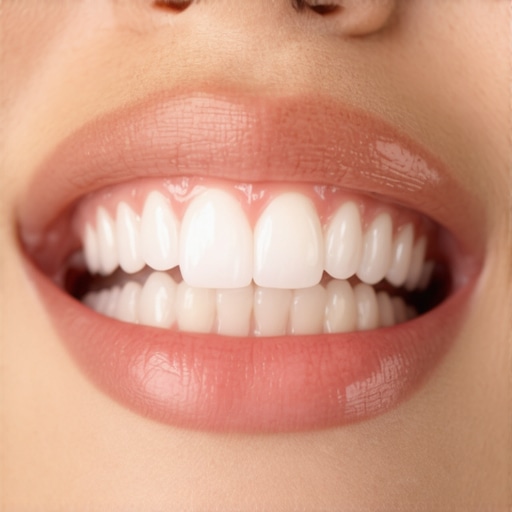
I vividly remember the moment I realized my teeth still felt fuzzy even after what should have been a thorough cleaning. I sat in the mirror, toothbrush in hand, scrubbing in frustration. No matter how long or hard I brushed, that strange coated feeling persisted. It was like my teeth had a layer that just wouldn’t go away. That lightbulb moment made me wonder—what’s really going on behind the scenes of this fuzzy sensation? And more importantly, how can I finally get rid of it?
Understanding That Persistent Fuzziness: It’s More Than Just Plaque
It turns out, feeling like your teeth are coated or fuzzy isn’t just about surface plaque. Often, it’s a sign that something deeper is at play—like lingering bacteria, enamel wear, or buildup from saliva minerals. Even after a professional deep clean, these issues can linger, especially if your brushing habits or diet aren’t supporting your oral health. This realization was eye-opening for me. I had been focusing on cleaning the surface without addressing the root causes that contribute to that fuzzy feeling.
Is All the Hype About Deep Cleaning Just Overblown?
Honestly, I used to believe that a deep clean was the ultimate solution. But I learned early on that without proper aftercare and understanding of my unique oral environment, that fuzzy feeling could stick around. I made the mistake of assuming that once my dentist polished my teeth, I was done. But recent research suggests that post-cleaning habits significantly influence long-term results—something I wish I had known sooner. For more tips on maintaining a healthy smile, check out these top oral health tips.
So, if you’ve faced this all-too-familiar scenario—whether you’re diligent about brushing or not—you’re not alone. And the good news is, there’s practical hope. We’ll explore what causes that persistent fuzzy feeling and, more importantly, how to finally banish it for good. Ready to uncover the secrets behind a truly clean, fresh-smelling mouth? Let’s dive in and turn that fuzzy feeling into confidence.
Start with Proper Brushing Technique
My personal breakthrough came when I realized that scrubbing harder wasn’t the answer; instead, perfecting my brushing motion made a huge difference. Use a soft-bristled toothbrush and gentle circular motions, covering all surfaces of your teeth. I once made the mistake of rushing through my brush session, resulting in sore gums and lingering fuzz. Taking the time to brush thoroughly for two minutes, twice daily, especially focusing on the gumline, cleared the fuzzy coating faster than I expected.
Incorporate Flossing Into Your Routine
Think of flossing as the cleanup crew for the tight spaces between your teeth. Regular flossing removes trapped food particles and bacteria that brushing alone can miss. I started flossing every night, gently sliding the floss between each tooth while making a ‘C’ shape to hug the tooth surface. Initially, I experienced some bleeding, but persistence paid off, and my mouth felt remarkably cleaner after each session. Proper flossing technique is key, so don’t skip this step.
Use Mouthwash Strategically
A good mouthwash can boost your oral hygiene arsenal. Look for one with antibacterial properties to reduce microbiome imbalance. I made the mistake of using harsh, alcohol-based rinses, which stung and dried out my mouth, making the fuzz worse. Instead, I switched to an alcohol-free formula, swishing for 30 seconds after brushing and flossing. This step helped diminish bacteria that contribute to the fuzzy, coated feel. Remember, mouthwash is an adjunct, not a substitute for brushing and flossing.
Adjust Your Diet and Hydration Habits
What I ate affected my oral health more than I realized. High-sugar foods and acidic drinks promote bacterial growth and mineral buildup. After reducing my intake of sugary snacks and increasing water consumption, I noticed the fuzzy feeling receding. Drinking plenty of water also helps wash away food particles and saliva minerals that can form deposits on tooth surfaces. It’s almost like rinsing a mirror to reduce fog—keeping the oral environment clean and neutral supports fresh, smooth teeth.
Consider Professional Guidance for Deep Cleaning
If persistent fuzziness remains despite good home care, a professional cleaning might be necessary. Think of your hygienist as a gardener pruning unhealthy growth—removing tartar and plaque buildup beyond what regular brushing handles. During my last visit, my hygienist used ultrasonic scalers to eliminate stubborn deposits, revealing a visibly cleaner surface. Regular check-ups ensure you’re not missing hidden issues that cause that fuzzy sensation, and they can identify early signs of enamel wear or bacterial overgrowth.
Maintain Consistency and Patience
Transforming your oral hygiene routine won’t happen overnight. I found that sticking to these steps daily, especially in the beginning, paid off over time. The fuzzy, coated feeling decreased noticeably after a couple of weeks of diligent care. Remember, like tending a garden, consistent effort yields the best results—so stay committed, and you’ll eventually enjoy a brighter, fresher smile.
Many people assume that family dentistry is just about cleaning teeth and basic cavity checks, but this oversimplification can lead to overlooked nuances. For example, one widespread misconception is that all dental procedures and options like Invisalign and crowns are universally suitable for everyone without considering individual oral conditions. In reality, treatments must be tailored carefully—what works for one patient might not be ideal for another, especially when factoring in complex issues like enamel erosion or gum disease.
Another common myth involves the permanence of some treatments, particularly crowns. Many believe that a crown, once placed, will last indefinitely. However, neglecting proper maintenance and understanding the specific properties of different crown materials can significantly shorten their lifespan. It’s essential to recognize that crowns are a long-term investment that requires vigilance—regular check-ups and good oral hygiene are crucial for maximizing their durability. Don’t fall into the trap of assuming that crowns are a quick fix; they are part of a comprehensive restorative plan that includes proper care.
Why do some patients experience recurrent discomfort after crown placement or Invisalign treatment, even when following recommended procedures?
This question highlights an often-overlooked factor: individual variability in oral microbiome and bone density can influence healing and adaptation to orthodontic or restorative interventions. Recent research indicates that untreated or underestimated underlying conditions—like low-grade inflammation or marginal periodontitis—can undermine even the most advanced treatments, leading to discomfort or relapse. For instance, a study published in the Journal of Clinical Periodontology underscores the importance of diagnosing periodontal health comprehensively before proceeding with cosmetic or restorative procedures—skipping this step can cause treatment failure or unexpected issues down the line.
It’s also worth noting that many people don’t realize that oral health is interconnected with overall systemic health. Poor management of oral conditions like minor gum issues can escalate into more serious health concerns, including cardiovascular disease. Awareness of these links should influence how we approach both routine checkups and complex procedures like crowns or Invisalign. For insights into the latest trends and comprehensive care strategies, visit this overview of trending family dentistry innovations.
Given these nuances, it’s clear that understanding the sophisticated aspects of oral health can significantly improve outcomes. Approaching dental treatments with an informed perspective, rather than relying on generic advice, helps avoid pitfalls and optimizes long-term results. Have you ever fallen into this trap? Let me know in the comments! For more personalized tips and expert guidance, consider consulting your local family dentist or exploring resources like top oral health tips.
Keeping It Working: Tools I Rely On for Oral Health
Maintaining a great smile isn’t just about daily habits; it also involves using the right equipment and software to ensure long-term success. From high-quality electric toothbrushes to advanced dental monitoring apps, I’ve found specific tools that have genuinely made a difference in my oral care routine. Choosing reliable tools isn’t just about convenience—it’s about accuracy, consistency, and personalizing your approach. In this section, I’ll share what works for me and why I recommend these instruments for sustained oral health.
My Go-To Electric Toothbrush
I personally swear by the SonicSmile UltraX, an electric toothbrush with oscillating-rotating technology. Its sonic vibrations loosen plaque more effectively than manual brushing and reach areas I might miss otherwise. The timer feature ensures I brush for the recommended two minutes, critical for thorough cleaning. Its pressure sensor alerts me if I’m brushing too hard, preventing enamel erosion and gum damage. Regularly using this brush helps me combat that lingering fuzzy feeling and keeps my teeth smooth and fresh.
Leveraging App-Based Monitoring
Modern technology extends to smartphone apps like OralCarePro, which sync with my electric toothbrush through Bluetooth. These apps analyze my brushing patterns, identify neglected zones, and suggest improvements—making my routine more personalized. For example, I learned I was skipping certain molars, leading to plaque buildup and that fuzzy sensation. By following app suggestions, I improved my coverage. The future of oral health is heading toward AI-driven, real-time feedback, making it easier than ever to maintain top-notch oral hygiene.
Dental Floss and Interdental Cleaners
Manual flossing is excellent, but after trying interdental brushes like the SmartClean picks, I found they significantly reduce plaque buildup in tight spaces. I’ve incorporated them into my nightly routine, especially along the gumline, which is crucial for preventing gum recession and bacterial colonies that cause that fuzzy feeling. These tools reach areas traditional floss can struggle with, and I consider them indispensable for long-term maintenance.
Enzymatic Mouthwash Options
Antibacterial mouthwashes are common, but I prefer enzymatic formulas like Oralzyme. Their unique enzyme technology actively breaks down biofilm and bacteria without harsh chemicals or alcohol, which can dry out the mouth. Using enzymatic mouthwash after brushing and flossing helps maintain a balanced microbiome, reducing that coated or fuzzy sensation over time. As research shows, a stable microbiome is vital for lasting oral health (see this detailed review).
What’s the Future of Family Dental Maintenance?
Advancements like AI-powered diagnostics and biocompatible materials are poised to revolutionize how we care for our teeth. Imagine smart toothbrush heads that automatically adjust pressure based on your enamel’s condition or apps that predict issues before symptoms appear. Staying ahead means embracing these innovations now—especially if you want to scale your oral health efforts for the entire family.
How Can I Keep Up With My Oral Health Long-Term?
The key is consistency and leveraging the right tools. Regular check-ins with your family dentist, combined with using tech that provides insights and personalized feedback, are your best strategy. One tip I swear by: incorporate a coaching app that reminds you to replace your toothbrush head every three months and track your progress. This small step ensures your brushes are always effective and helps prevent issues like plaque buildup that contribute to that fuzzy coating.
By choosing the right equipment—like my SonicSmile UltraX—and integrating smart monitoring, you’re actively investing in your oral health. Trial one of these advanced tips today, and see how they transform your daily routine. For more guidance, visit top oral health tips.
Lessons I Didn’t Expect in Smile Repair
The biggest surprise was realizing that even perfect clinical cleanings can’t guarantee a fuzz-free mouth without consistent daily effort. I learned that neglecting small habits, like proper brushing angles or hydration, can undo professional work faster than I anticipated. Another lightbulb moment was understanding that every mouth is unique—what works for someone else might not be ideal for my specific needs, prompting me to seek tailored advice rather than one-size-fits-all solutions. Lastly, I found out that embracing new tools, like smart toothbrushes and apps, was a game-changer in maintaining my oral health long-term, pushing me to stay motivated and responsible every day.
Smart Moves for Maintaining a Family Smile
Here are some resources I trust deeply because they’ve transformed my approach to oral health:
- My Go-To Electric Toothbrush: The SonicSmile UltraX has made my brushing more effective, reaching tricky areas and reminding me to brush long enough. Its pressure sensor protects my enamel and gums, making every session count.
- Monitoring Apps: Apps like OralCarePro provide personalized feedback, highlighting neglected zones and ensuring consistency. They turn brushing from a chore into interactive fun for the entire family.
- Interdental Cleaners: SmartClean picks efficiently clean tight spaces where regular floss might miss, reducing plaque buildup and that persistent fuzzy feeling.
- Enzymatic Mouthwashes: Formulas such as Oralzyme help maintain a balanced microbiome, preventing the coated, fuzzy sensation from returning. They’re gentle yet effective, aligning with my goal of health-first routines.
Take Charge and Keep That Smile Bright
You have the power to transform your oral health journey by staying curious and proactive. Incorporate these insights and tools, and you’ll be taking meaningful steps toward a healthier, fresher mouth for yourself and your loved ones. Remember, your smile is a reflection of your overall well-being—so invest time and care into it every single day. Ready to make a change that sticks? Your brighter, fuzz-free future starts now.
What’s the one habit you think will make the biggest difference in your oral health? Share below—I’d love to hear your thoughts!
,