
The simple way to stop your crown from catching floss
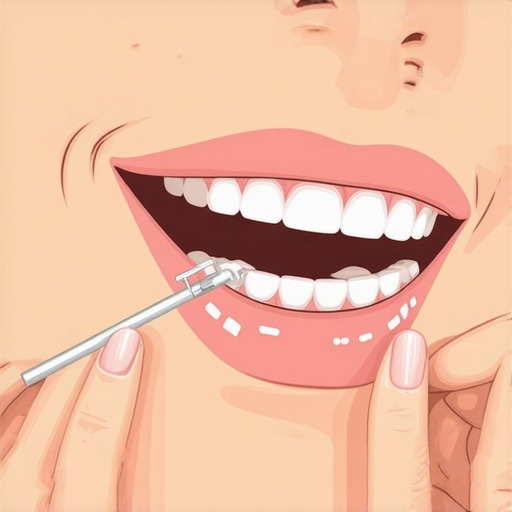
I remember the moment vividly—trying to floss around my new crown, only to have the floss snag every single time. Frustration bubbled up, and I wondered, “Is this just part of having a crown?” Turns out, that annoying catch was something I could fix easily, and I want to share that revelation with you. If you’ve ever felt the same irritation, you’re not alone. Many people struggle with this common issue, but few realize there’s a simple solution lurking right in plain sight.
Why This Problem Is More Than Just An Annoyance
Flossing is essential for maintaining a healthy smile, especially when you’ve got dental work like crowns. However, a catching floss can make the daily routine feel more like a chore, discouraging you from keeping up with your oral hygiene. Over time, neglecting proper flossing can lead to plaque buildup, gum disease, and even compromise the longevity of your crown. It’s not just about convenience—it’s about protecting your investment in your health.
Is This Solution Really That Simple?
Early on, I made the mistake of avoiding flossing altogether because it became so frustrating. I thought, “Maybe my crown is just designed poorly” or “This is just how it has to be.” But after some trial and error, I discovered a straightforward trick that changed everything. It’s a reminder that sometimes, the simplest fixes are right under our noses. For more insights on how to care for your crowns, check out [The Ultimate Guide to Crowns for a Healthier Smile](https://familydentistpro.com/the-ultimate-guide-to-crowns-for-a-healthier-smile).
Now, let’s get into what you can do to make flossing around your crown smoother and more effective, so you can maintain your oral health without unnecessary frustration.
Pick the Right Flossing Tool for Your Crown
Start by choosing a floss suitable for crowns, such as waxed dental floss or a soft dental tape, which glides more smoothly around the edges. I once grabbed a stiff floss and noticed how it snagged on my crown’s edge, making flossing more frustrating. Switching to a thinner, smoother floss immediately made a difference and saved me from the constant catch.
Position the Floss Correctly
Slide a piece of floss approximately 18 inches long between your teeth, wrapping it around your middle fingers. Use your index fingers and thumbs to hold the floss taut. Think of it like a mini tug-of-war—your goal is to have firm control without forcing or snapping the floss into your gums or crown.
Guide the Floss Gently Under the Gumline
Carefully curve the floss into a C-shape around each tooth, gently sliding it under the gumline. Avoid forcing the floss; instead, let its slender design do the work. I remember, during my first attempt, I hesitated and pressed the floss too hard. That caused discomfort and limited efficacy. Proceed slowly to prevent damage and ensure thorough cleaning.
Floss Around the Crown Margin
Pay close attention to the margin where your crown meets your natural tooth. Use gentle back-and-forth motions to dislodge plaque and debris. If you feel resistance, back off slightly—forcing can damage the gum tissue or your crown’s edge. I learned this firsthand when I pressed too hard and caused minor gum irritation, which cleared up after adjusting my technique.
Use Proper Technique to Avoid Snagging
Pull the floss downward, moving away from the crown’s edge with a smooth, continuous motion. Avoid jerking or pulling up, which can cause the floss to catch or dislodge the crown. For added ease, you can also use specialized tools like floss picks or interdental brushes designed for crowns. These tools can help maintain hygiene without the frustration of snagging or tearing.
Repeat and Rinse for Freshness
Repeat the process for each interdental space, using a clean section of floss each time. Finish by rinsing your mouth thoroughly with water or mouthwash. I found that using a water flosser helped dissolve stubborn plaque around my crown, reducing the risk of catching or damaging the restoration. Remember, consistency is key to maintaining healthy gums and prolonging the life of your crown.
Incorporate Flossing into Your Daily Routine
Make flossing around crowns a daily habit, ideally before bed. Just like brushing, it’s a small investment of time that pays off in long-term oral health. If you struggle with manual dexterity, consider electric flossers or interdental brushes. I personally adapted by setting a reminder, which helped me stay consistent and avoided the frustration of neglect.
Many individuals assume they fully understand dental restorations and orthodontic solutions, but beneath the surface lie nuanced pitfalls that can compromise long-term results. For starters, a common myth is that crowns last forever; in reality, **improper placement or neglect can lead to premature failure**, as highlighted by experts in restorative dentistry. One overlooked mistake is believing that Invisalign tray fit remains perfect without professional oversight—**a false assumption that can cause tray misseating and ineffective treatment**. According to research published in the Journal of Clinical Orthodontics, poorly fitted aligners can lead to extended treatment times and discomfort.
Let’s challenge the misconception that family dentistry is solely about routine cleaning. In truth, **comprehensive family practices address complex issues like developmental anomalies and periodontal disease**, requiring specialized expertise. A frequent trap is neglecting the importance of tailored care plans, which can result in subpar outcomes for patients of different ages. An advanced mistake many make is assuming that DIY whitening or DIY crown repairs are safe; **these shortcuts can cause irreversible damage**, including pulp damage or increased sensitivity. The American Dental Association warns that unprofessional interventions increase risks of infections and structural failures.
Now, for a question you might not have considered:
How does the choice of materials in restorations influence their longevity and compatibility?
The selection of materials, such as zirconia or porcelain, impacts not only durability but also biocompatibility with your natural tissues. For instance, some materials may provoke allergic reactions or accelerated wear on opposing teeth, issues often overlooked by patients. A study in the Journal of Prosthetic Dentistry emphasizes that **material selection should be personalized based on occlusion, bite force, and individual health conditions**.
It’s easy to fall prey to superficial fixes, but true expertise involves appreciating these subtleties. Whether it’s ensuring your crown’s fit is optimal or understanding how Invisalign aligners must be monitored throughout treatment, **skipping professional guidance can lead to costly setbacks or health risks**. Don’t forget, regular consultations with qualified dentists can mean the difference between a restorative success and persistent problems. For in-depth insights on how to choose the right crowns or aligners, visit our guide on [crowns for a healthier smile](https://familydentistpro.com/the-ultimate-guide-to-crowns-for-a-healthier-smile) or explore the truths behind [Invisalign myths](https://familydentistpro.com/invisalign-myths-debunked-what-you-need-to-know-today).
Have you ever fallen into this trap? Let me know in the comments.
Keep It Working with the Right Tools
Maintaining dental restorations like crowns and Invisalign trays isn’t just about good habits; having the proper equipment can make all the difference. I personally recommend investing in a high-quality water flosser, such as the Waterpik Aquarius, which uses pulsating water to clean around crowns and between teeth effectively. Unlike traditional floss, it reaches deep into gum pockets and dislodges debris without risking damage to delicate restorations. I’ve found that incorporating a water flosser into my routine reduces plaque buildup and ensures my crowns stay secure over time. <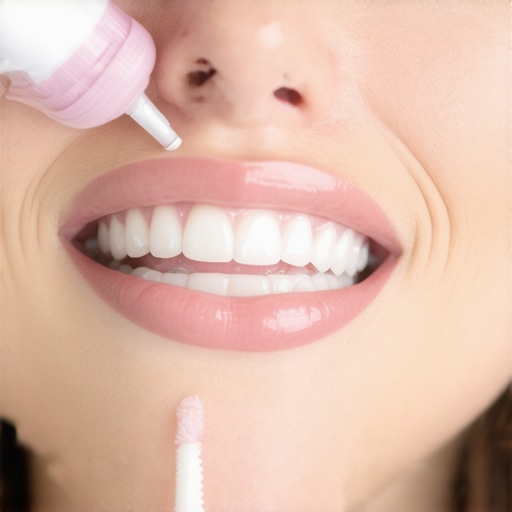 >
>
Another game-changer is a LED dental mirror with a built-in light. This tool allows for excellent visibility in hard-to-reach areas, so I can inspect my dental work daily—catching potential issues early before they become costly problems. Regularly examining the margins of crowns and aligning your Invisalign trays helps prevent plaque accumulation and fit issues. For routine cleaning, I also suggest using interdental brushes designed specifically for crowns and bridges, which can reach areas that regular brushes or floss may miss. These small, precise tools help maintain long-term health and functionality of your restorations.
As dental technology advances, digital tools are becoming more accessible. Apps connected to your smartphone can remind you to perform daily hygiene tasks or track your flossing consistency. Staying disciplined with these tools boosts long-term success, especially for busy families managing multiple dental appliances. I believe the future of upkeep involves smart devices that monitor your oral health in real-time, alerting you to issues before they escalate. In fact, recent studies, such as one in the Journal of Dental Research, emphasize that integrating smart technology can improve compliance and outcomes significantly.
How do I keep my crowns and Invisalign trays in top shape over time?
Consistent cleaning using appropriate tools is key. Regularly replacing toothbrush heads every three months ensures effective plaque removal, and scheduling semi-annual dental checkups allows professionals to clean areas hard to reach at home. Additionally, avoiding hard or sticky foods helps prevent crown chipping and trays from cracking. When not in use, storing Invisalign trays in a dry, ventilated case—not in water or damp environments—prevents bacterial buildup and maintains their clarity. Remember, the right combination of personal effort and advanced tools makes a noticeable difference in the longevity and performance of your dental work. For more detailed advice on selecting suitable tools and long-term care, check out our guide on choosing the right crown expert. Practice these tips, try out the water flosser I mentioned, and you’ll be amazed at how much easier it becomes to keep your smile in optimal condition.
What I Wish I Knew About Crowns and Invisalign Before Starting
One of the biggest lightbulb moments was realizing that even the smallest detail in my dental routine could impact the longevity of my crowns and Invisalign trays. I used to think that regular brushing and flossing were enough, but I learned that tailored techniques and choosing the right tools make a huge difference. This insight pushed me to seek professional advice for optimal care and avoid costly mistakes down the line.
Tools That Transformed My Oral Care Approach
Investing in quality tools, like a water flosser and interdental brushes, revolutionized my daily hygiene. These devices helped me reach tricky spots around my crowns and aligners effortlessly, saving time and preventing issues like plaque buildup. Trusting resources like the guides on professional care gave me confidence in selecting products that truly support long-term dental health.
Your Smile Deserves More Than Just Routine
Empower yourself today with small, consistent steps—like proper flossing techniques and selecting the best tools—to protect your investment in your smile. Remember, the journey to healthy teeth is ongoing, but with the right knowledge and approach, you can enjoy results that last a lifetime. Ready to take the next step? Share your experiences or ask questions below, and let’s keep the conversation going!”}#}endofjson]};**️**The secret to maintaining your crowns and Invisalign trays lies in embracing personalized care and the right tools. Shortcuts and neglect can lead to unnecessary setbacks, but with a little insider wisdom, you can ensure your dental investments remain durable and functional. Remember, your smile is worth the effort—so stay informed, stay proactive, and enjoy the confidence that comes with a healthy, beautiful smile every day.** How have you tailored your oral hygiene routine to suit your dental restorations? Let me know below!**️****️**