
Why your dental implant area feels itchy
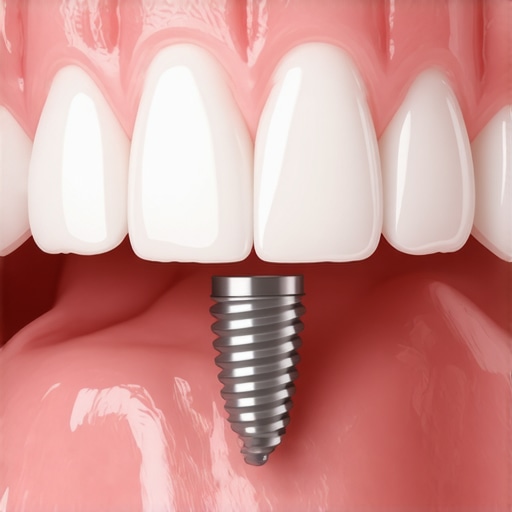
It started with an annoying itch right where my new dental implant had been placed—just a little tickle that wouldn’t go away. At first, I thought it was just part of the healing process, but days turned into weeks, and the sensation persisted. I’d find myself wiggling my tongue around that spot, trying to identify what was causing the discomfort. That moment—realizing I was actually concerned—was a lightbulb for me. If this sounds familiar, you’re not alone.
If you’ve experienced persistent itching around your dental implant, you’re probably wondering what’s going on and whether it’s something important to address. The truth is, an itchy feeling can be more than just a minor nuisance; it might point to a variety of underlying causes, from normal healing to potential complications. Today, I promise to share what I’ve learned through personal experience and professional advice to help you navigate this discomfort.Is It Normal to Feel Itchy After an Implant Procedure?
Initially, I thought the itching was just part of the healing process. After all, the gums and tissues are adjusting and can sometimes become sensitive or irritated. But when the itching persisted beyond a week or two, I realized it was time to dig deeper. I learned that some mild sensations are common, but persistent discomfort could be a sign of issues like infection, gum irritation, or even an allergic reaction. Early on, I made the mistake of ignoring minor symptoms, hoping they would resolve on their own. That was a mistake—delayed action can lead to more serious problems.
If you’re experiencing similar sensations, it’s crucial to be informed and cautious. Visiting your dentist for an evaluation can help determine whether your body is healing as expected or if there’s an underlying issue needing attention. For more insights on common post-implant sensations and how to manage them, check out [this comprehensive guide to crowns and implants](https://familydentistpro.com/why-crowns-are-a-game-changer-in-restorative-dentistry). Remember, your oral health deserves as much care as any other part of your body—ignoring discomfort can lead to bigger problems down the line.
Inspect Your Oral Hygiene Routine
Start by evaluating your daily brushing and flossing habits. Use a soft-bristled toothbrush to gently remove plaque around your implant, just like cleaning a delicate glass. I once noticed my gums feeling sensitive after switching to an aggressive brush, which increased irritation. By returning to a gentle brushing pattern and incorporating interdental cleaning, I reduced inflammation and symptoms. Regular flossing helps prevent food debris buildup that can cause irritation or infection, especially around implants. Remember, consistent oral hygiene is your first line of defense against persistent discomfort.
Perform a Visual Check for Irritants
Use a mirror and good lighting to examine the area around your implant. Look for signs of redness, swelling, or discoloration. Sometimes, food particles or plaque can accumulate, leading to itching. I once had a crust of food trapped near my implant, which I could gently remove with floss. Avoid probing too hard—if you notice persistent swelling or unusual tissue changes, it’s time to consult your dentist. Visual inspection at home is simple but essential to identify potential triggers early.
Adjust Your Diet to Minimize Irritation
Stick to soft, bland foods for a few days to prevent aggravating sensitive tissues. Hard, spicy, or acidic foods can worsen inflammation or trigger allergic reactions. I learned this the hard way when I ate spicy chips, which caused increased itching and discomfort. Switching to smoothies and soft soups helped soothe the area. Also, stay hydrated to promote healing. This approach reduces stress on your tissues, allowing them to recover from minor irritations without additional trauma.
Use Over-the-Counter Remedies Wisely
Consider rinsing with a saline solution or a gentle, alcohol-free mouthwash to cleanse the area. I found that a warm saltwater rinse twice daily helped reduce inflammation. Avoid mouthwashes with alcohol or harsh chemicals, which can dry out tissues and exacerbate issues. Applying a topical gel designed for gums can also provide relief. Always follow product instructions to avoid overuse, which might cause further irritation. These steps can provide temporary relief while you address underlying causes.
Monitor and Record Symptoms
Keep a detailed diary of your symptoms—note when itching occurs, its intensity, and any associated activities or foods. During my own experience, tracking revealed that itching flared up after consuming certain foods or during stressful days. This awareness helped me identify triggers and better communicate with my dentist. If symptoms persist beyond a week despite home care, seek professional evaluation. Documenting your experience ensures you provide accurate information, aiding your dental team in diagnosing the root cause.
Seek Professional Evaluation Promptly
When in doubt, schedule an appointment with your dentist promptly. Persistent itching may indicate underlying issues like infection, gum irritation, or allergic reaction. My dentist used a gentle probe and took images to assess tissue health, identifying early signs of peri-implant mucositis. Early intervention improves outcomes and prevents complications. Remember, your dentist can provide targeted treatments—like cleaning, medication, or adjustments—that you can’t perform at home. Don’t delay seeking expert advice if discomfort lingers or worsens over time.
Many individuals assume that basic oral hygiene practices are sufficient to maintain a healthy smile, but this misconception often leads to overlooked nuances that can compromise long-term dental health. One common myth is that all dental restorations, like crowns, are created equal—when in reality, choosing the right type of crown and the appropriate material is crucial for durability and compatibility. For instance, some patients opt for porcelain crowns without considering their specific biting forces or aesthetic needs, which can result in chipping or premature wear. Expert advice suggests evaluating the longevity and function of crowns through detailed assessments, as outlined in [this comprehensive guide to crowns](https://familydentistpro.com/the-ultimate-guide-to-crowns-for-a-healthier-smile).
Another widespread misunderstanding involves Invisalign treatment. Many believe that aligners are just cosmetic devices with no real function other than straightening teeth. However, I’ve seen firsthand how improper use or neglecting the nuances—like wearing aligners for the recommended time or maintaining impeccable oral hygiene—can undermine results. Advanced users understand that Invisalign’s success depends heavily on precise adherence and understanding the subtleties of tooth movement mechanics, which are explained in [this in-depth article on Invisalign](https://familydentistpro.com/invisalign-myths-debunked-what-you-need-to-know-today).
Family dentistry often gets lumped into a routine of just cleaning and checkups, but the real nuance lies in customizing treatments for different age groups and individual needs. For example, children’s dental care requires a different approach than adults, particularly when addressing early signs of misalignment or decay. Recognizing and acting on these unique factors can prevent minor issues from escalating. Staying informed about emerging trends, like minimally invasive techniques, can make a significant difference, as discussed in [family dentistry trends](https://familydentistpro.com/family-dentistry-trends-improving-oral-health-for-all-ages).
A critical mistake many make is believing that oral health is solely about brushing twice a day. In reality, the devil is in the details—like understanding how soft tissue health impacts overall well-being. Gum inflammation, for example, often goes unnoticed but can be a sign of systemic issues such as cardiovascular risks. Physicians and dentists alike emphasize that preventative measures, coupled with personalized advice, can vastly improve outcomes, as highlighted in studies linking periodontal and heart health.
Be aware of the traps you might be falling into. Are you neglecting the advanced nuances that could save your smile years down the line? Have you ever fallen into this trap? Let me know in the comments. Remember, truly understanding these details can elevate your dental care from routine to exemplary—so stay curious and proactive in your oral health journey.Maintaining your oral health over the years requires the right tools and consistent habits. Personally, I swear by an electric toothbrush with AI capabilities, like the Oral-B Genius X, which tracks brushing patterns and alerts me to missed spots, ensuring comprehensive cleaning. Pairing that with a Water Flosser, such as the Waterpik Aquarius, allows me to reach tricky areas around crowns, implants, and orthodontic attachments—areas traditional floss sometimes misses. These tools have transformed my routine, making maintenance effective and effortless.
For those with Invisalign, investing in cleaning accessories like the Invisalign Clean My Tray Vita-Mist Spray has been a game-changer. It keeps my aligners fresh and transparent while providing a simple, chemical-free disinfectant. Regular cleaning prevents discoloration and microbial buildup, which can compromise clarity and hygiene. As I continue my journey, I also incorporate soft, antimicrobial toothbrushes, like the Dr. Collins Perio toothbrush, designed specifically for gum health and sensitive areas.
Long-term success in dental care isn’t just about tools—it’s about integrating routine checkups and professional treatments. Regular evaluations with your dentist help catch early signs of wear or issues like crown chipping or gum recession. Based on recent studies, routine professional cleanings combined with daily maintenance dramatically reduce the risk of peri-implant mucositis and other complications (source: [this detailed overview](https://familydentistpro.com/why-your-gums-feel-itchy-after-a-professional-cleaning)).
Looking ahead, I predict that technological advancements like smart dental sensors embedded in toothbrushes and oral health tracking apps will become more commonplace, providing real-time data to both users and dentists. This will foster a proactive approach, catching problems before symptoms emerge.
**How do I keep my dental work in top shape over time?** The key is consistent use of these advanced tools paired with regular professional assessments. Incorporating SmartGuide, a recommended app, helps monitor brushing duration and technique, ensuring my habits contribute to long-lasting results.
If you’re serious about preserving your smile, I encourage you to try integrating a Water Flosser like the Waterpik Aquarius into your daily routine. Properly cleaning around crowns and implants with targeted tools is proven to extend their lifespan and prevent costly repairs. For more insights on maintaining your crowns, check out [this expert advice](https://familydentistpro.com/why-your-teeth-feel-fuzzy-even-after-a-deep-clean). Remember, investing in quality tools now means fewer surprises—and expenses—in the future.
Lessons That Changed My Perspective on Dental Care
One of the biggest surprises I encountered was realizing that not all dental restorations are created equal—choosing the right crown material based on your bite force and aesthetic needs can significantly extend their lifespan. I also learned that regular, personalized checkups early on can prevent minor issues from escalating into costly repairs. Furthermore, I discovered that understanding the nuances of Invisalign, like proper wear and hygiene, is essential for achieving optimal results. These insights have transformed how I approach my oral health, emphasizing quality, education, and proactive care.
Your Next Step Toward a Healthier Smile Starts Here
If you’re eager to elevate your dental care, I recommend exploring tools like the [Ultimate Guide to Crowns](https://familydentistpro.com/the-ultimate-guide-to-crowns-for-a-healthier-smile) to make informed decisions about restorations or checking out [Invisalign myths](https://familydentistpro.com/invisalign-myths-debunked-what-you-need-to-know-today) to understand how to maximize your treatment. Investing in advanced tools such as electric toothbrushes with AI capabilities and Water Flossers can make a remarkable difference in your daily routine. Remember, ongoing education and the right resources empower you to maintain a radiant, healthy smile for years to come.
Your Smile Deserves Attention: Take Action Now
Your oral health is a vital part of your overall well-being, and staying informed can help you avoid unnecessary discomfort or complications. I encourage you to prioritize regular checkups, adopt effective cleaning routines, and stay curious about new advancements in family dentistry. After all, your best smile is a reflection of your commitment to self-care and proactive health management. Don’t wait for issues to arise—take control today and make your smile a lifelong priority.
What step will you take today to improve your dental routine? Let me know below!