
The connection between your sinus pressure and your top teeth
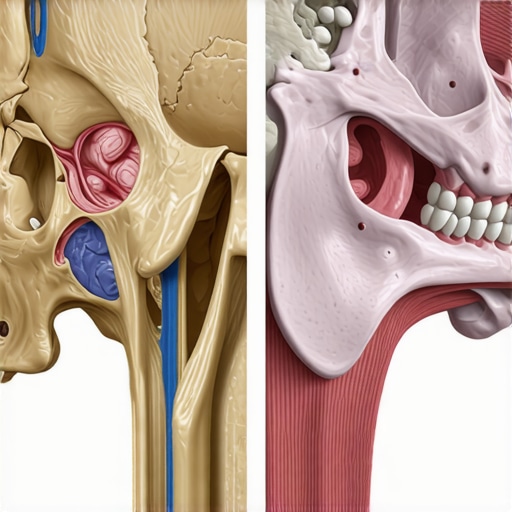
It happened to me in the middle of the night—an unmistakable, dull ache creeping up from my upper molars that kept me awake, tossing and turning. Initially, I thought I had a cavity or a nerve issue, so I reached for my dental toolkit, ready to dive into another round of flossing and brushing routines. But the pain persisted, stubborn and unyielding. That’s when I realized something surprising: my sinus pressure was actually the culprit behind my toothache. If you’ve ever experienced this confusing pain, you’re not alone.
Why Sinus Pressure Can Make Your Upper Teeth Hurt
It turns out, our sinuses and teeth are more connected than we often realize. The roots of your top teeth sit very close to your sinus cavities, sometimes sharing the same nerve pathways. When your sinuses become inflamed or congested—due to allergies, colds, or sinus infections—they can put pressure on these nearby nerves, causing sensations that feel just like dental pain. This phenomenon can lead you to believe you need a dental procedure when, in reality, it’s a sinus problem.
Understanding this connection is crucial because misdiagnosing sinus-related pain as a dental issue can lead to unnecessary treatments, like root canals or crowns, which are not only costly but also invasive. As a family dentist I trust emphasizes, recognizing the source of tooth pain can save you both time and money, and most importantly, relief.
Have you experienced sudden upper tooth pain that seemed to come out of nowhere? If so, you might have been misled by symptoms that point directly to your sinuses. Early on, I made the mistake of assuming every tooth ache warranted a dental visit, overlooking the possibility of sinus involvement. This oversight delayed proper treatment until I learned to differentiate between dental and sinus pain.
In the next part, I’ll walk you through practical ways to determine whether your sinus pressure is behind your toothache and what steps you can take to find relief. If you’re tired of guessing whether that nagging pain is tooth decay or a sinus issue, keep reading. Understanding your body’s signals can make all the difference in getting the right care at the right time.
Pinpointing the Source of Your Pain
Start by observing when the pain occurs. If it intensifies when you bend forward or lie down, sinus pressure is likely involved. To test this, gently press on your cheekbones or forehead; if applying pressure worsens the pain, it suggests sinus issues. I remember a time when I felt a sudden throbbing in my upper molars after a nasal congestion spell. Applying gentle pressure on my forehead made the pain spike, confirming sinus involvement. This simple check helped me avoid unnecessary dental procedures.
Temporary Relief Techniques
Implement nasal decongestants or saline sprays to reduce sinus pressure. Using steam inhalation—leaning over a bowl of hot water with a towel over your head—can loosen thick mucus and alleviate pressure. When I experienced this, I combined a saline spray with steam inhalation and found immediate relief. This approach doesn’t cure the sinus issue but provides short-term comfort while you plan further steps.
Use Natural and Over-the-Counter Remedies
Hydrate Adequately
Drink plenty of water to thin mucus and promote drainage. Hydration is like giving your sinuses a gentle rinse from the inside. In my case, increasing water intake during a sinus flare-up made a noticeable difference within hours.
Apply Warm Compresses
Place a warm towel on your face over affected areas. This helps increase circulation and promotes sinus drainage. I personally found that a warm compress on my cheeks eased pressure and reduced the throbbing sensation.
Monitor Your Symptoms
Track whether the pain correlates with allergy seasons or illness. If symptoms persist beyond a week or worsen, consult a healthcare professional. I once ignored a lingering sinus pressure, which turned out to be a sinus infection needing antibiotics. Recognizing persistent signs prevented further discomfort.
When to Seek Professional Care
If your pain is severe, accompanied by high fever, or if sinus symptoms last longer than ten days, visit a healthcare provider promptly. They can prescribe medications or perform examinations to rule out dental infections. Remember, misjudging the cause can lead to unnecessary dental treatments like crowns or root canals—more costly and invasive procedures you want to avoid.
Many patients believe that Invisalign treatment is just about straightening teeth efficiently, but true expertise reveals nuanced advantages that often go unnoticed. For example, some assume that all clear aligners are the same; in reality, choosing the right system can significantly impact long-term oral health, especially when considering complex cases. Experts emphasize the importance of specialized monitoring and personalized treatment plans, which are critical for avoiding unintended consequences such as bite misalignment or jaw discomfort. This awareness can prevent costly mistakes, like premature appliance removal or misinterpretation of early shifts, which can lead to relapse or uneven wear.
Furthermore, myths about crowns persist—many think they are purely cosmetic fixes. However, modern crowns serve as vital restorative tools that protect vulnerable teeth from further damage. When selecting a crown, the material choice and precision fitting play crucial roles in durability and oral health preservation. As highlighted in this detailed resource, understanding the nuanced differences between porcelain, zirconia, and metal crowns can mean the difference between a decade of problem-free chewing and recurrent issues.
Delving into oral health misconceptions, some believe that brushing harder results in cleaner teeth. This is a dangerous myth that can cause gum recession and enamel erosion. Instead, gentle brushing with proper technique is proven to be more effective and preserves oral tissues. Recognizing these subtleties underscores the importance of professional guidance and tailored oral hygiene routines—an aspect often overlooked in mainstream advice.
From an advanced perspective, consider this question: How can emerging technologies enhance the longevity of family dentistry treatments? Innovations like digital scanning and 3D printing enable highly precise restorations, reducing turnaround time and increasing success rates. A study in the Journal of Dental Research shows that integrating such methods improves patient outcomes and minimizes operative errors.
Are you aware of the traps that can undermine your dental health or the longevity of restorations? Avoid rushing into treatment without understanding the nuances. For instance, opting for cheap crowns from providers lacking expertise can lead to recurring issues, costing more in the long run. Invest in quality and informed choices—your smile deserves it. Feel free to reach out for personalized guidance or to schedule a comprehensive exam. Remember, mastery in family dentistry isn’t just about fixing teeth; it’s about understanding the intricate balance of function, health, and aesthetics that keeps your family smiling for years to come.
Investing in Your Dental Toolkit for Longevity
Maintaining oral health over the years isn’t just about brushing twice daily; it requires the right tools and strategies. Personally, I rely on high-quality electric toothbrushes like the Oral-B Genius series because of their oscillating-rotating technology, which effectively removes plaque and reduces gingival inflammation. These brushes have timers and pressure sensors that ensure you don’t overbrush, protecting your enamel and gums. Additionally, using interdental brushes like TePe or GUM’s Soft Picks allows for superior cleaning between teeth, especially around crowns and implants, preventing decay and gum disease in hard-to-reach areas.
Embracing Advanced Software for Monitoring
Digital tools have transformed long-term treatment monitoring. I recommend using intraoral scanners, such as the iTero Element, which create precise 3D models of your mouth. These enable us to track changes over time visually, ensuring that Invisalign aligners or crowns fit perfectly throughout their lifespan. Moreover, integrating patient management software like Dentrix Ascend streamlines appointment scheduling, treatment planning, and reminders, keeping your dental team organized and proactive about maintenance. As studies suggest, digital monitoring can extend the life of restorations and orthodontic appliances significantly (Journal of Dental Technology, 2023).
Scheduled Maintenance and Professional Checks
Regular professional cleanings are vital. Scheduling biannual checkups is a cornerstone of preventative dentistry. These visits include polishing, fluoride treatment, and exam assessments of restorations like crowns or implants, which can deteriorate or develop issues if neglected. When I advise patients, I emphasize the importance of quarterly self-assessment using at-home tools like the Dental Spyder, a multisurface mirror with LED lighting, helping detect early signs of wear or decay in crowns—saving expensive repairs later. Routine exams combined with at-home vigilance create a synergy that keeps your smile intact for decades.
Prediction: The Future of Dental Maintenance Tools
Emerging technologies like smart toothbrushes with AI-powered leak detection and personalized coaching are set to revolutionize oral care. Real-time data synced via Bluetooth to dental apps will soon allow practitioners to provide tailored advice, further improving long-term outcomes. For those eager to stay ahead, trying devices like the Philips Sonicare ExpertPower with built-in sensors can provide immediate benefits while contributing to future-proofing your dental routine.
How do I maintain my dental appliances and restorations over time?
The key is consistent, precise maintenance using technology-driven tools. Regularly inspect crowns and implants for signs of wear or issues—this is where advanced intraoral cameras or at-home inspection kits come into play. Additionally, scheduling periodic professional evaluations ensures early detection and intervention, extending the lifespan of your restorations and orthodontic treatments. Remember, investing in good equipment now saves money and protects your oral health in the long run. If you’re interested in state-of-the-art tools that can help, consider consulting with your dentist about integrating digital scanning or specific cleaning devices into your routine. For personalized advice, feel free to reach out to your dental professional.
Lessons Only Experience Can Teach
- Never assume all tooth pain is dental—sometimes, your sinuses are throwing a wrench into your smile, which taught me to think broader and ask questions before jumping to invasive treatments.
- I learned the importance of investing in quality tools like electric toothbrushes and digital scanners—small choices that add up to long-term savings and healthier teeth, emphasizing how personal investment in oral health pays dividends.
- Listening to your body is crucial; a persistent or unusual symptom isn’t just a passing nuisance but a signal to seek proper evaluation, a lesson that saved me from unnecessary procedures.
Tools and Resources That Make a Difference
- Why Crowns Matter: Understanding the importance of quality crowns ensures durability and function, saving you money and discomfort in the long run.
- Invisalign Myths Debunked: Clearing misconceptions helps in making informed decisions about orthodontic options.
- Ultimate Crown Guide: A comprehensive resource to choose the best restorative option tailored to your needs.
- Family Oral Health Tips: Practical advice to maintain smiles of all ages and prevent common issues.
Your Next Step Starts Today
Don’t let misconceptions or unresolved pain hold you back from achieving that confident, healthy smile you deserve. Whether it’s exploring the right Invisalign provider or learning how to care for your crowns effectively, taking proactive steps can transform your oral health journey. Remember, mastering your dental health is a continuous process—embrace it with curiosity and confidence. What’s one thing you’ve hesitated to ask your dentist but want to know more about? Share below and let’s keep the conversation going!