
Why your crown feels cold for weeks after placement

I remember the moment perfectly—sitting in my bathroom, brushing my teeth, when I noticed something strange. My new dental crown, which was supposed to restore my smile, felt icy cold every time I sipped my morning coffee. At first, I thought it was just sensitivity. But weeks went by, and that chilling sensation didn’t fade. It was as if my crown had become a little ice cube trapped inside my mouth, leaving me both puzzled and a bit frustrated.
Understanding the Lingering Cold Sensation
It’s more common than you might think. Many people experience prolonged cold or sensitivity after having a crown placed, and it can be genuinely unsettling. This sensation isn’t just an annoying quirk; it might point to underlying issues that could impact your oral health if left unaddressed. My personal experience taught me that ignoring these signs could lead to more significant problems down the line. So, what’s really going on when your crown feels icy for weeks?
In this post, I’ll share insights from my journey and what I’ve learned from dental experts. We’ll unravel the reasons behind this peculiar sensation and discuss practical steps to find relief—and prevent future discomfort. If you’ve been questioning whether this is normal, stick around. Soon, you’ll understand why your crown’s chilly feel isn’t something to ignore and how to tackle it effectively.
Could It Be a Sign of Deeper Issues?
Many initially dismiss this as mere sensitivity, but persistent cold sensations might indicate issues like nerve exposure or material sensitivity. Early in my experience, I made a mistake—trusting that the discomfort would just go away on its own. That’s a common misconception I want to help you avoid. Dentists emphasize the importance of addressing ongoing symptoms promptly, rather than hoping they resolve without intervention. For more detailed information on crown care and potential complications, check out [The Ultimate Guide to Crowns for a Healthier Smile](https://familydentistpro.com/the-ultimate-guide-to-crowns-for-a-healthier-smile).
Are you facing this unnerving cold sensation after your crown placement? If so, stay tuned. We’re about to dive into the most effective ways to understand, address, and prevent this issue, ensuring your smile remains comfortable and healthy.
Pinpoint the Cause Before Taking Action
Start by identifying whether the icy feeling is persistent or occasional. Reflect on recent dental visits or procedures that may have impacted nerve sensitivity. Remember, a sudden or ongoing cold sensation could stem from nerve exposure, material sensitivity, or improper crown fit. My experience taught me to keep a symptom journal, noting when the cold feels strongest and any associated discomfort.
Schedule a Professional Evaluation Immediately
Never ignore ongoing discomfort. Contact your dentist promptly at their office to schedule an assessment. During the appointment, the dentist will examine your crown and surrounding tissues, sometimes using an electric pulp tester to assess nerve health. Think of this step as a mechanic inspecting a car engine—it’s essential to diagnose issues early before they escalate.
Prepare for Your Dental Appointment
Bring a list of symptoms, recent dental work, and any over-the-counter products you’ve used. This information helps your dentist determine if nerve irritation, infection, or crown misfit is causing the sensation. Be honest about your oral hygiene routines, as habits like aggressive brushing can exacerbate sensitivity.
Implement Targeted Dental Treatments
Based on the diagnosis, your dentist might recommend specific procedures. These can include applying desensitizing agents, adjusting the crown for proper fit, or performing root canal therapy if nerve damage is present. My dentist first tried a fluoride varnish, which provided relief within days. If your crown material is causing allergies, replacing it with biocompatible options might be necessary. For more insights into crown procedures, visit this guide.
Enhance Your Oral Hygiene Practices
Consistent and gentle brushing with a soft-bristled toothbrush reduces irritation. Use fluoride toothpaste to strengthen enamel and decrease sensitivity. Floss carefully to prevent plaque buildup around the crown, which can lead to inflammation. Incorporate antimicrobial rinses as recommended by your dentist. Think of oral hygiene like tending a garden: regular, gentle care keeps everything healthy and flourishing.
Adjust Daily Habits to Minimize Discomfort
Avoid extremely hot or cold foods and beverages temporarily to prevent aggravating nerve sensitivity. Eating softer foods reduces the pressure on your crown and surrounding tissues. Incorporate warm, lukewarm drinks instead of icy or steaming hot ones. During my own recovery, I noticed that sipping tea at a consistent lukewarm temperature significantly reduced discomfort.
Consider Long-term Prevention Strategies
Regular dental checkups help monitor crown stability and nerve health. If you experience recurring cold sensitivity, discuss options like replacing older crowns with newer, hypoallergenic materials. Technologies like Invisalign or other orthodontic treatments can correct bite issues that contribute to crown stress. Stay proactive; prevention is key to avoiding persistent discomfort and costly fixes later.
Many people assume that visiting the dentist occasionally and brushing twice a day suffices for maintaining healthy teeth, but this oversimplification can lead to overlooked nuances. A critical misconception is that all dental care is reactive, meaning you’ll only need treatment when problems arise. In reality, proactive and customized care is paramount, especially with advances like Invisalign and new crown materials that demand tailored approaches. For instance, some believe traditional braces are outdated, but understanding the nuanced differences between Invisalign and traditional orthodontics can significantly impact long-term results.
Why do some patients experience premature crown failure even with regular checkups?
The answer often lies in subtle material incompatibilities or inadequate fitting procedures that many overlook. As highlighted in expert studies, choosing the right crown material isn’t just about aesthetics; it influences durability and compatibility with your body’s biochemistry, which many patients and even some practitioners ignore. Furthermore, common myths persist around family dentistry, such as the idea that children’s first teeth are less important to care for, but neglecting early dental health can lead to misaligned adult teeth and more complex procedures later. Maintaining this nuanced understanding is crucial as the field evolves, incorporating innovations like minimally invasive techniques and personalized preventive plans.
Be Aware of Hidden Pitfalls in Oral Hygiene
For example, over-aggressive brushing can harm your gums and enamel, potentially leading to recession or sensitivity. Conversely, using abrasive whitening products can damage your enamel, contradicting the common advice to whiten your teeth regularly for cosmetic purposes. A balanced, knowledgeable approach requires understanding your unique dental needs and the latest research-backed products and techniques. Consulting with family dentistry professionals who keep abreast of trends, such as the integration of digital impressions and laser treatments, can help you avoid these pitfalls. For more insights on the latest trends improving oral health, visit this resource.
Properly informed patients recognize that dental health isn’t just about quick fixes but about understanding the complex interplay of materials, techniques, and individual biology. So, how can you make smarter choices about your family’s oral care? Regularly educate yourself with cornerstone content like The Ultimate Guide to Crowns and stay updated on emerging trends. Have you ever fallen into this trap? Let me know in the comments.Maintaining durable dental crowns, aligning Invisalign trays, and ensuring overall oral health require precise tools and consistent routines. From high-quality toothbrushes to advanced whitening systems, I rely on equipment that delivers professional results at home. For example, I swear by electric toothbrushes equipped with pressure sensors, like the Oral-B Genius series, because they prevent over-brushing—a common cause of gum recession and enamel wear. The oscillating-and-rotating motion effectively removes plaque while minimizing gum irritation, saving me time and effort. Additionally, investing in water flossers such as the Waterpik Ultra helps me hit hard-to-reach areas around crowns and braces, reducing inflammation without damaging delicate tissues. When it comes to whitening, I prefer LED-powered whitening kits over traditional strips; the consistent light source accelerates bleaching and reduces sensitivity. I also use a dental mirror to monitor hard-to-see spots, ensuring thorough cleaning daily. Looking forward, I predict the future of oral care will see smarter devices integrated with AI, capable of analyzing plaque buildup and recommending personalized routines—making home maintenance even more effective. How do I maintain my dental work over time? Regular visits to my dentist are essential, but supplementing with high-end tools ensures my smile stays healthy longer. For detailed advice on crowns, check out The Ultimate Guide to Crowns. Remember, selecting the right equipment isn’t just about convenience; it’s about protecting your investment and supporting your family’s long-term oral health. Implementing a targeted routine with tools designed for precision can prevent issues before they start, saving you time and money in the future. Try upgrading your toothbrush or adding a water flosser today—your smile will thank you! 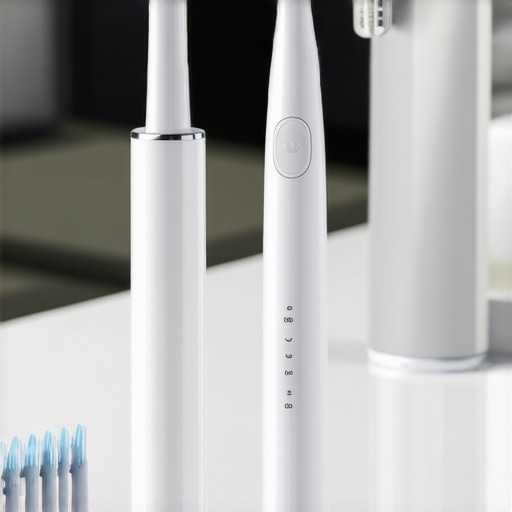
Lessening the Cold Wrings of Wisdom, and What I Wish I Knew Sooner
One of the most eye-opening lessons I learned about family dentistry and crowns is that even the most seemingly minor sensations can signal major underlying issues. I used to dismiss persistent cold feelings as mere sensitivity, but I’ve come to realize that addressing these signs early can save you from extensive procedures later. Trusting your intuition and seeking prompt dental evaluations can make all the difference—don’t wait for discomfort to become pain.
Another insight is that not all crown materials are created equal. Some might provoke sensitivity or allergic reactions, especially if you have allergies or sensitivities. Choosing the right material, along with proper technique and fitting, can dramatically reduce your chances of icy discomfort. Do your research and consult your dentist about biocompatible options—your future self will thank you.
Lastly, maintaining impeccable oral hygiene and avoiding temp-sensitive habits—like biting into extremely cold or hot foods—can preserve your crown’s integrity and your nerve health. I’ve learned that small daily routines and proactive care are the best insurance against not only lingering cold sensations but also more serious complications down the line.