
Why your Invisalign trays are making you lisp more than usual
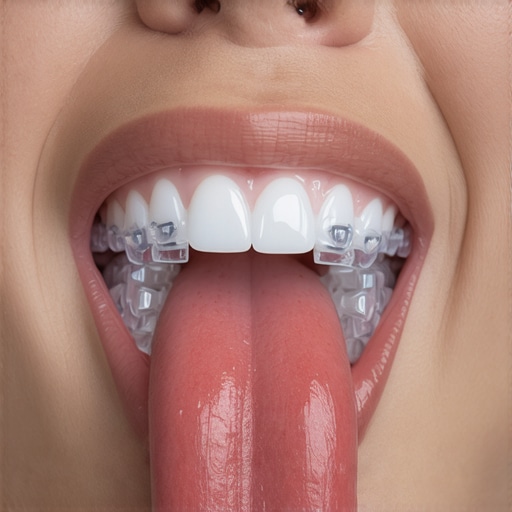
Have you ever found yourself in front of the mirror, speaking softly or even giggling nervously at how your words seem to stumble over your own teeth? That awkward, almost comical lisp that suddenly appears when you’re wearing your Invisalign trays is more common than you might think—and honestly, it can be pretty frustrating. I remember the first time I noticed my speech becoming noticeably janky after switching to a new set of aligners. It was like my tongue had forgotten where to go, and I felt self-conscious all day long.
Why Do Invisalign Trays Cause You To Lisp?
Invisalign trays are incredible for straightening teeth discreetly, but they do alter the way your tongue interacts with your mouth. When you first start wearing them or switch to a new set, your mouth has to adjust to this new shape and feel. Since aligners sit snugly over your teeth, they can create a slight barrier that disrupts the normal airflow and articulation. That leads to a noticeable lisp, especially with certain sounds like ‘s,’ ‘z,’ or ‘sh.’
From personal experience, I can tell you that this isn’t just a coincidence—it’s a temporary adaptation period. Early on, I made the mistake of not giving my mouth enough time to adjust, which only prolonged my speech difficulties. Trust me when I say that patience and proper strategies are key. According to a study published in the American Journal of Orthodontics & Dentofacial Orthopedics, speech impediments caused by aligners typically resolve within a few days to a week as your muscles adapt to the new appliance (source).
What We’ll Cover Today
In this post, I’ll share my personal tips and insights to help you overcome that pesky lisp caused by Invisalign. From adjusting your speech techniques to choosing the right aligner fit, these practical steps can make a world of difference. If you’ve been battling with speech issues every time you wear your trays, you’re not alone—and there’s definitely a way to speed up your adaptation process.
Is It Worth the Hype or Just a Harmless Phase?
Many skeptics worry that the discomfort and speech changes are signs of a problem. But don’t worry—most of these issues are entirely normal and resolve with time. I remember early on thinking I might have a faulty tray or that I would be stuck with this speech impediment forever. But after a few days of gentle practice, my lisp diminished significantly. The key is managing expectations and knowing that this adjustment phase is temporary. For more information on how Invisalign compares to traditional braces, check out this helpful guide.
Practice Pronouncing Difficult Sounds out Loud
During my first week with Invisalign, I dedicated five minutes daily to enunciating words with ‘s,’ ‘z,’ and ‘sh’ sounds in front of a mirror. For example, I repeated tongue-twisters like “She sells seashells” slowly, focusing on formation. One day, I felt my tongue starting to find its new position, and my lisp noticeably decreased. Consistent practice trains your muscles, making speech smoother over time.
Adjust Your Tongue Placement and Movement
Think of your tongue as a tiny dancer. When wearing aligners, it needs to learn new choreography. To help, try to elevate your tongue slightly away from your teeth while speaking, creating space for airflow. I experimented by gently placing my tongue on the roof of my mouth for sounds like ‘s,’ which eventually became natural. Over time, this adjustment minimized the obstruction causing the lisp.
Use Chewing and Articulation Exercises
Engaging in targeted exercises speeds up muscular adaptation. I found that chewing gum without flavor for a few minutes twice a day helped strengthen my jaw muscles. Additionally, articulating exaggerated lip movements—like overdoing ‘p’ and ‘b’ sounds—improved my clarity. Integrating these into my routine made my speech more confident, even with trays in place.
Perform Gentle Mouth Stretches Before Speech Practice
Stretches loosen tight muscles that may be contributing to speech difficulty. I gently opened my mouth wide and held the stretch for a few seconds, then relaxed. This simple move eased tension around my jaw and tongue, making my articulation more natural. Regular stretching also reduces fatigue and discomfort that can worsen speech issues.
Control Breathing and Speech Rhythm
Shallow breathing can worsen speech impediments. I practiced deep, diaphragmatic breaths to steady my voice. Pausing briefly before saying tricky words gave me better control. Mimicking a slow, relaxed speaking pace initially prevented rushing and stumbling, helping me develop a clearer, more natural pronunciation with my Invisalign trays.
Utilize Distraction Techniques and Relaxation
The more relaxed I was, the less my tongue tensed up, and the quicker my speech normalized. I listened to calming music or did brisk physical activity before practicing speech, which reduced anxiety. Maintaining a calm mental state prevents muscle stiffness, making articulation more effortless despite the aligners.
Consistent Wear and Patience Make a Difference
Finally, remember that adaptation takes time. I committed to wearing my aligners full-time and viewed speech practice as an essential part of my orthodontic journey. After several days of diligent effort, my language improved significantly, boosting my confidence in social settings. Persistent practice accelerates progress, turning discomfort into familiarity.
While many believe that brushing and flossing alone guarantee perfect oral health, the reality is far more nuanced. One widespread misconception is that all dental products are equal, but in truth, some overhyped remedies, like charcoal toothpaste, can damage enamel more than help, as highlighted by recent studies. Similarly, there’s a myth that seeing your dentist only when you experience pain is sufficient; however, ongoing check-ups catch issues early, preventing costly treatments later. When it comes to family dentistry, many assume it’s just about routine cleanings, but a true family dental practice also emphasizes preventive education tailored to each age group, from toddlers to seniors, ensuring lasting oral health for everyone.
Advanced treatments such as Invisalign are often misunderstood as solely cosmetic, but they also promote better long-term oral function by aligning bites properly, reducing wear on teeth. Yet, many overlook the importance of proper attachment maintenance; loose aligners or attachments can compromise results if not addressed promptly. Crowns, on the other hand, are sometimes viewed as a last resort, but modern crown techniques preserve more natural tooth structure and function, making them a valuable restorative option. Avoiding the trap of thinking that crowns are purely aesthetics is crucial— their primary role is to strengthen and protect compromised teeth.
For those considering restorative options, it’s worth asking: how do different crown materials impact durability and health? Advances in ceramics and porcelain fused to metal have optimized strength while maintaining a natural appearance, but choosing the right material depends on specific needs. A common mistake is selecting a crown based solely on cost rather than material quality, which can lead to longer-term issues. To make informed decisions, consult with experienced family dentists who understand the subtle differences. Discover how comprehensive knowledge of these nuances can enhance your oral health—visit our [contact page](https://familydentistpro.com/contact-us) if you’re ready to take the next step.
Have you ever fallen into this trap? Let me know in the comments.Maintaining a healthy smile requires more than just good brushing habits; it demands the right tools, consistent routines, and an understanding of modern technology that supports your dental journey. Over the years, I’ve tested various equipment and software to optimize oral care, especially when managing family dentistry, Invisalign, or crowns. Here are my top recommendations for keeping everything working smoothly.
Invest in an Ultrasonic Toothbrush for Effective Cleaning
One of the biggest game-changers I’ve incorporated is the ultrasonic toothbrush. Unlike traditional brushes, ultrasonic models emit high-frequency waves that help break down plaque even in hard-to-reach areas. I personally use the Sonicare DiamondClean Smart because it offers multiple intensity settings and app integration. This allows for personalized feedback and tracking, which is especially helpful when wearing Invisalign or after getting crowns, where precision cleaning makes a difference in longevity.
Utilize AI-Driven Dental Monitoring Apps
Staying on top of your dental progress might sound overwhelming, but modern apps make it manageable. I rely on platforms like Invisalign monitoring apps for periodic check-ins. These apps use your smartphone camera to assess tray fit and oral health status, reducing unnecessary visits and catching potential issues early. In the future, I predict such technology will become even more sophisticated, perhaps integrating with wearable devices for real-time alerts.
Implement a Professional-Grade Water Flosser
An often-overlooked tool, the water flosser provides a deep clean that floss can’t always reach, especially around crowns and bridge work. I personally recommend the Waterpik Ultra because of its adjustable pressure settings and specialized tips. Regular use helps prevent decay and gum disease, extending the lifespan of restorations. It’s particularly effective for those with braces or Invisalign, as it helps clear residue beneath trays or aligners.
Schedule Regular Professional Cleanings and Check-Ups
No tool replaces the expertise of a dentist, but consistent professional care is vital. I suggest scheduling cleanings at least twice a year and using digital appointment reminders to stay consistent. Discuss your tools and routines with your dental provider—they can recommend specific products suited to your unique needs, including options for managing crowns or other restorations.
Stay Informed Through Credible Educational Resources
Continuing education is key. I stay updated by reading expert-reviewed articles and attending webinars. For instance, the recent study on the longevity of dental crowns emphasizes the importance of proper attachment and cleaning routines (source). Building this knowledge helps me make better decisions about maintenance and troubleshooting issues early.
Remember, the goal isn’t just healthy teeth—it’s durable, functional, and confident smiles that last a lifetime. I highly recommend trying out an ultrasonic toothbrush combined with a high-quality water flosser to elevate your daily routine. These tools, when used consistently, can significantly improve long-term results and save you time and money down the line.
How do I keep my dental tools effective over time?
Regular maintenance is crucial. Replace brush heads every three months, keep your appliances clean according to manufacturer instructions, and stay updated on the latest oral health research. Also, visiting your dentist for routine checkups allows for expert advice on adjusting your routine based on your evolving needs. For tailored recommendations, don’t hesitate to reach out through our contact page.
When I first started my Invisalign treatment, I was surprised by how a simple lisp could shake my confidence. Over time, I discovered that these speech hiccups weren’t just nuisances—they were lessons in adaptability and patience. Embracing small adjustments like tongue placement and dedicated practice transformed my experience from frustrating to empowering. The real gain was understanding that patience and proactive care pave the way for a seamless transformation, not just in my smile but in my attitude towards dental health. So, if you’re feeling discouraged by those initial speech challenges, remember: every expert was once a beginner, and your perfect smile is worth the effort. For more insights into aligning your oral health with trusted practices, explore our extensive guides and resources on family dentistry and orthodontics—your journey to a healthier, more confident you continues beyond just the trays.