
The real cause of that weird ‘zinc’ taste in your mouth
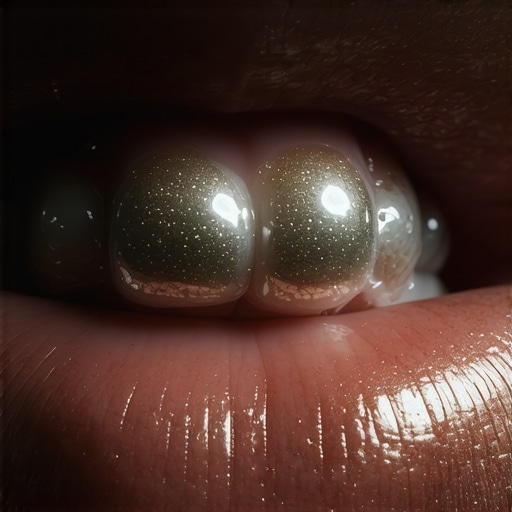
Have you ever experienced a strange, metallic-y taste lingering in your mouth long after brushing or rinsing? For me, it was a frustrating puzzle that made every sip of water feel off and every meal less enjoyable. One moment, everything seemed fine; the next, I was suddenly tasting a weird, almost medicinal flavor, as if my mouth had turned into a tiny laboratory experiment.
Why That Unsettling Zinc Taste Might Be More Than Just Something You Swallowed
After months of annoyance and some online research, I realized I wasn’t alone — many people encounter this peculiar metallic flavor without understanding its cause. It’s not just a random anomaly; it often points to underlying issues in oral health or dental treatments. And the good news? Once I figured it out, I was able to address the root cause and finally enjoy my meals without that distracting, unpalatable taste.
Could It Be Just Your Imagination? The Skeptic’s Take
I admit, early on I dismissed it as a temporary side effect from my toothpaste or some weird coincidence. But I learned the hard way — and quickly — that ignoring persistent metallic tastes can lead to bigger problems down the line. This experience pushed me to dig deeper and consult professionals, which ultimately guided me toward solutions that I want to share with you today.
In this post, we’ll explore what’s behind that strange zinc flavor and how you can identify whether it’s a sign of something more serious or just a minor glitch. Trust me, knowing the truth could save you from unnecessary worry — and help restore your mouth’s natural balance.
Spotting the Culprits: What Causes That Metallic Taste?
One common misstep I made early was assuming the taste was harmless or temporary. But the reality is, certain dental treatments like crowns or fillings, or even your body’s response to bacterial changes in your mouth, can cause this sensation. For example, some dental materials contain metals that interact with saliva, creating that distinct metallic taste. Curious about how treatments like crowns might be involved? Keep reading — I’ll walk you through the common causes and how to address them.
Identify the Root Cause of the Metallic Flavor
Start by reviewing recent dental treatments such as crowns or fillings. Remember, dental materials like metals can interact with saliva, producing that strange zinc-like taste. Check if you’ve recently begun using new oral hygiene products, especially those containing certain active ingredients known to alter taste perception. Keep a journal noting the timing of the metallic taste episodes in relation to any dental visits or product changes. This record will be invaluable when consulting your dentist.
Investigate Dental Materials and Treatments
If you’ve had a recent crown placement, consider that the metal alloy used may be causing the sensation. Some crowns contain base metals that trigger a metallic taste when the saliva interacts with them. Schedule a check-up with your dentist to examine your restorations. They might recommend replacing metal-based crowns with ceramic alternatives, which are biologically inert and won’t interfere with taste. To understand the options, see how crowns can transform your oral health.
Practice Proper Oral Hygiene and Adjust Your Routine
Effective brushing and flossing remove bacterial buildup that can alter taste. Use a soft-bristled toothbrush to prevent gum irritation, and select toothpaste free from strong flavors or harsh chemicals that might exacerbate taste distortions. Incorporate tongue cleaning into your routine to eliminate residual bacteria, which can contribute to metallic or lingering bad tastes. Be cautious with mouthwashes; opt for alcohol-free varieties, as alcohol can dry out the mouth and intensify unpleasant tastes. For more tips, visit top oral health tips.
Consult Your Dentist for Specialized Evaluation
If the metallic taste persists beyond a week, or if it is accompanied by other symptoms like numbness or discomfort, schedule a professional appointment. Your dentist can perform tests to identify metal sensitivities or other underlying issues. They may recommend replacing metal restorations or addressing any oral infections or deficiencies. Think of this step as replacing worn-out parts in a machine—timely intervention can prevent further complications. Learn more about choosing the right crown here: expert advice for long-lasting crowns.
Consider Dietary and Lifestyle Changes
Certain foods and habits can influence taste perception. Limit intake of overly spicy, acidic, or salty foods that may irritate oral tissues. Stay hydrated, as a dry mouth can amplify metallic sensations; this is especially relevant if you wake with a dry mouth, a common issue discussed here. Avoid smoking or using tobacco products, as they can impair taste buds and cause oral tissue changes. Implementing these changes can help recalibrate your taste buds and reduce the metallic sensation over time.
Explore Medical Causes if Necessary
If dental and lifestyle adjustments do not resolve the taste issue, consult your healthcare provider. Conditions such as zinc deficiency, medication side effects, or sinus infections might be involved. For example, sinus pressure linked to dental issues can alter taste, as noted here. Proper evaluation and treatment of these underlying problems can restore your normal taste experience.
 Many people assume that procedures like crowns or orthodontics like Invisalign are straightforward solutions that require little thought beyond the initial appointment. However, this oversimplification ignores crucial nuances. For example, a widespread misconception is that all dental crowns are created equal, which isn’t true. Some patients believe that metal crowns are forever, but they can cause ongoing issues like metallic tastes or tissue irritation, especially if the material interacts negatively with saliva. For an in-depth look, check out why crowns are a game changer in restorative dentistry.
Another common myth pertains to Invisalign, where many assume it’s just about aesthetics and not about long-term oral health. In reality, improperly managed aligner therapy can lead to bite issues, enamel abrasion, or gum irritation if not supervised carefully. It’s essential to understand the advanced considerations, such as monitoring for plaque buildup or wear patterns, which can influence the success of treatment. For expert insights, visit debunking Invisalign myths.
A significant oversight in family dentistry is neglecting the importance of lingual health. Many believe that regular brushing and flossing suffice, but oral health is a complex system involving the gums, tongue, cheeks, and salivary glands. Missteps here include using abrasive toothpaste that damages enamel or ignoring signs of oral infections, which can progress silently. Advanced care goes beyond routine cleaning—consider discussing additional strategies like saliva testing or specialized treatments by your dentist. Learn more about comprehensive family dentistry trends here.
Become aware of the traps that can undermine your oral health journey. For example, relying solely on over-the-counter whitening products without professional guidance can harm enamel or lead to uneven whitening. Similarly, believing that mouthwash with alcohol is universally beneficial might cause more dryness and discomfort. Having a personalized oral health plan is key—your dentist can tailor preventive strategies that address your specific needs. To get personalized advice, consider reaching out through contact us.
Have you ever fallen into this trap? Let me know in the comments.
Maintaining your dental restorations and overall oral health requires more than just regular brushing and flossing. The right tools can significantly extend the lifespan of crowns, Invisalign aligners, and other dental treatments, ensuring your smile stays healthy and bright for years to come.
Why I Trust Professional-Grade Oral Care Devices
Personally, I rely on ultrasonic toothbrushes like the Sonicare DiamondClean because they effectively remove plaque and reduce surface stains, which is critical for maintaining crowns and natural teeth alike. The sonic vibrations reach areas traditional brushes often miss, providing a comprehensive clean that prolongs the integrity of dental restorations. When it comes to cleaning Invisalign trays, I recommend using specialized brushes like the ProCare Whitening Brush; these are gentle yet effective at removing debris and preventing odors, which is essential since trays are worn for hours daily.
Tracking Your Progress with Advanced Software
Implementing digital tools like the Invisalign SmileView allows you to preview your treatment outcome and monitor progress over time. These visualizations help you keep motivated and alert you to any potential issues early on. For long-term results, I also suggest using oral health tracking apps like Bridge2AHealthySmile, which remind you to schedule checkups and track habits, building a comprehensive approach to oral wellness.
Regular Professional Evaluations for Long-Term Success
While these tools are invaluable, nothing replaces regular visits to your family dentist. Routine checkups allow for early detection of complications, such as crown wear or the onset of dental caries around restorations. Dentist-supervised cleanings using ultrasonic scalers help remove tartar buildup that can compromise implants or crowns, especially in hard-to-reach areas. You can read more about the importance of professional supervision in why crowns are a game changer.
Predictions for Future Tools in Dental Maintenance
Looking ahead, I predict that AI-powered diagnostics and smart brushing devices will become commonplace, offering personalized feedback to optimize oral care routines. These innovations will further empower patients to maintain their treatments proactively, reducing the need for corrective procedures down the line.
How do I maintain my dental work over time?
Developing a routine that includes regular use of ultrasonic cleaners for Invisalign trays, consistent scheduling with your dentist, and leveraging smart apps for habit tracking can keep your smile in prime condition. Remember, investing in quality tools and staying proactive with professional evaluations ensures your dental restorations and natural teeth continue to serve you well. For additional tips, visit top oral health tips.
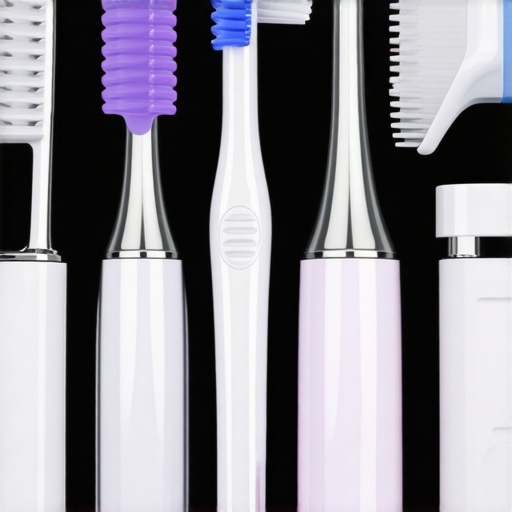
Image illustrating essential dental maintenance tools, including ultrasonic toothbrushes, Invisalign cleaning devices, and dental apps, emphasizing their role in long-term oral health.
What I Learned About Overestimating Quick Fixes in Dental Health
One of the biggest lessons I discovered was the danger of assuming that dental treatments like crowns or Invisalign are simple, trouble-free solutions. The reality is, they require ongoing attention and understanding of how they interact with your mouth’s unique biology. Relying solely on quick fixes without pursuing proper maintenance or understanding can lead to unexpected issues like persistent metallic tastes or discomfort, which I initially dismissed as minor inconveniences.
Why Listening to Your Body Beats Following the Crowd
Discovering the cause of the metallic taste taught me to trust my own experiences over popular myths. For instance, some believe all crowns are forever, neglecting the need for regular checkups and awareness of materials that might cause adverse reactions. It’s vital to communicate openly with your dentist about how your treatments are working and to be proactive about addressing subtle changes before they escalate.
Personal Care Tools Are Only Part of the Equation
While I initially thought using advanced toothbrushes or smartphone tracking apps would prevent issues, I realized their true value depends on how consistently and correctly I used them, coupled with professional assessments. Over time, I understood that technology complements, but doesn’t replace, personalized advice from your dentist and regular visits—especially when managing restorations like crowns or Invisalign trays.
Embracing the Power of Education to Prevent Surprises
My journey highlighted the importance of education—reading reputable resources and understanding the materials used in my dental work. For example, knowing that some dental crowns contain metals that might trigger a metallic taste prompted me to ask my dentist about ceramic alternatives. Staying informed empowers you to make choices that support your oral health goal of a confident, comfortable smile.
Discover Tools and Resources That Elevate Your Oral Routine
Over the years, I’ve come to rely on specific resources like detailed guides about crowns and professional-grade toothbrushes, which have made a tangible difference. I trust these because they are rooted in science, backed by expert advice, and tailored to help avoid common pitfalls. Combining quality tools with ongoing education creates a resilient foundation for long-term oral health.
Let Your Dental Journey Inspire Your Future Smile Confidence
If you’re facing similar concerns like metallic tastes or treatment uncertainties, remember that knowledge, proactive maintenance, and honest conversations with your dentist make all the difference. Your commitment today will manifest as a healthier, happier smile tomorrow. Take charge, stay curious, and enjoy the journey to your best oral health.
Have you ever experienced an unusual reaction after a dental treatment? Share your story below—your insights could help others navigate their own dental adventures with confidence.